I Know What You Did Last Summer 1997 Shaped Horror Forever
Summer 1997 delivered more than just scorching heat and beach trips—it brought a horror phenomenon that would redefine teen cinema forever. I Know What You Did Last Summer emerged as a cultural lightning rod, blending the gory thrills of slasher classics with the raw, angsty energy of Generation X. The film’s release wasn’t just a box office triumph; it was a masterclass in tapping into the collective fears and rebellious spirit of a generation grappling with adulthood, guilt, and the lingering shadow of childhood mistakes.
The movie’s impact stretched far beyond its blood-soaked runtime, reshaping how studios marketed horror to young audiences and proving that summer blockbusters didn’t need CGI spectacle to leave a lasting mark. From its gritty practical effects to its unforgettable shark attack scene, the film became a blueprint for a new wave of teen horror, influencing everything from Scream’s meta-commentary to the social media-driven dread of today’s horror franchises. Yet, its legacy isn’t just about scares—it’s a reflection of the cultural anxieties of the late '90s, from Y2K paranoia to the unspoken pressures of growing up in an era of transition.
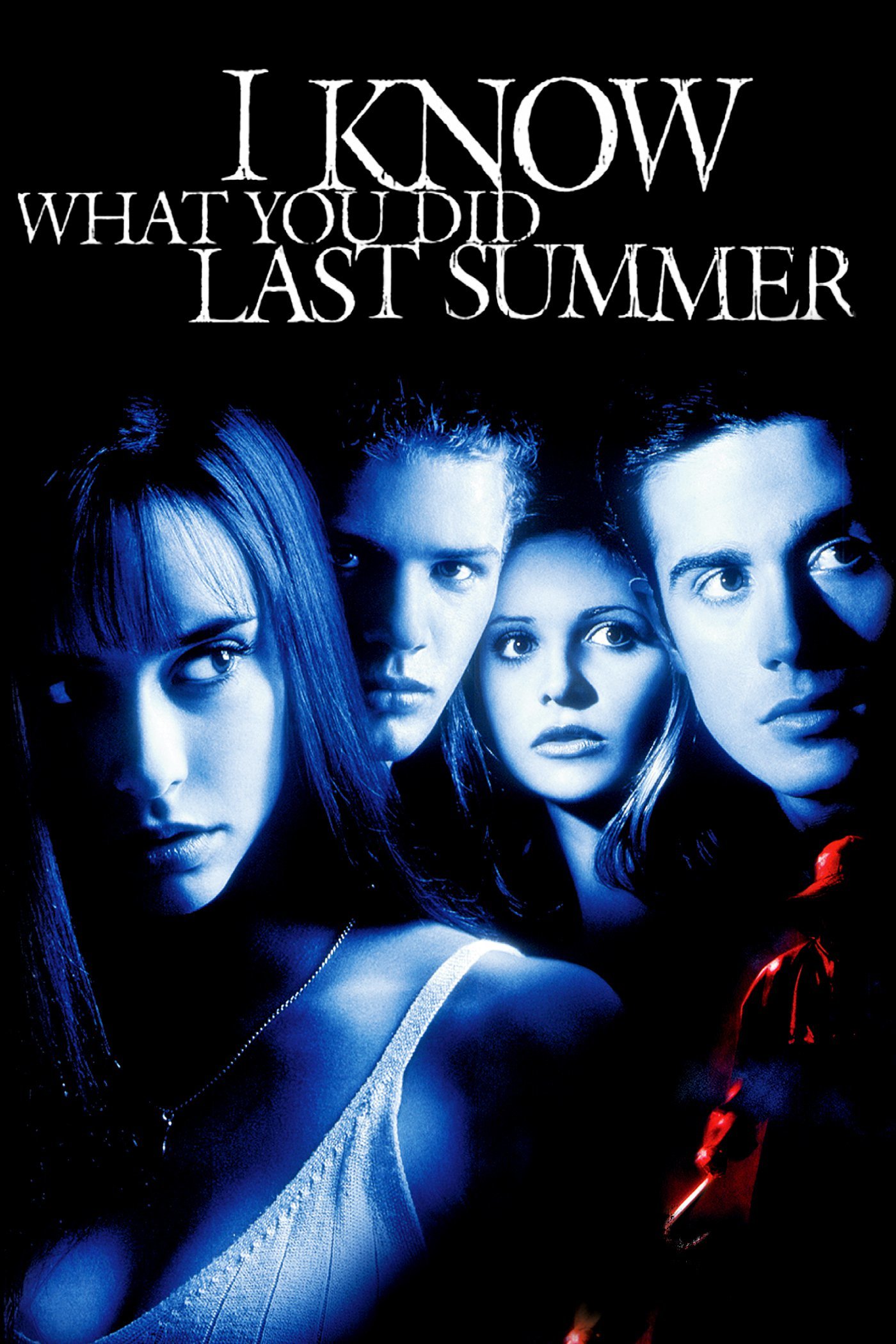
The Cultural and Historical Impact of I Know What You Did Last Summer (1997) on Horror and Teen Movies

The release of I Know What You Did Last Summer in 1997 marked a pivotal moment in the evolution of horror cinema, particularly within the slasher and teen movie genres. The film capitalized on a resurgence of slasher films during the late 1990s, a period often overshadowed by the dominance of action blockbusters and romantic epics like Titanic. By blending the classic tropes of slasher films with a contemporary teen narrative, the movie introduced a fresh dynamic that resonated deeply with young audiences. Its success not only redefined the "summer horror" subgenre but also influenced marketing strategies, audience expectations, and the thematic elements of horror films for decades to come. The film’s impact extended beyond its initial release, shaping the trajectory of teen horror franchises and leaving a lasting imprint on pop culture.
Capitalizing on the Late '90s Slasher Revival and Teen-Centric Horror
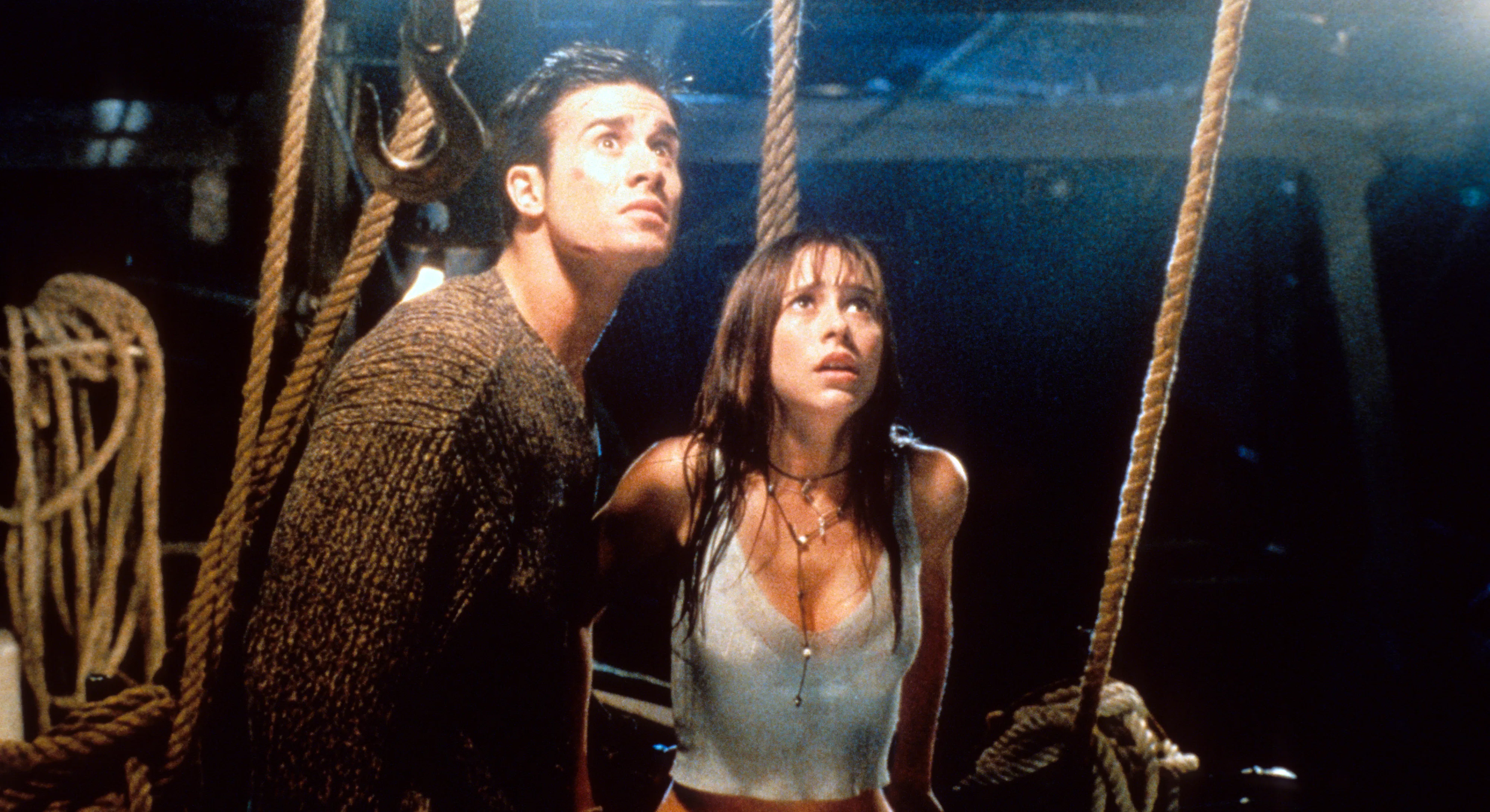
The late 1990s witnessed a revival of slasher films, a genre that had dominated the 1980s but had waned in the early '90s due to oversaturation and shifting audience tastes. I Know What You Did Last Summer emerged as a breath of fresh air, revitalizing the subgenre by infusing it with a modern, teen-centric perspective. Unlike its predecessors, which often relied on exaggerated gore and campy one-liners, the film balanced suspense, psychological tension, and relatable teenage struggles, making it accessible to a broader audience. This shift reflected broader cultural changes, including the rise of teen dramas like Clueless (1995) and The Breakfast Club (1985), which emphasized coming-of-age themes and social dynamics.
The film’s setting—a coastal town in Florida—served as a microcosm of teenage anxieties, where the characters’ past mistakes haunt them in the present. The killer, Billy Loop (played by Fred Ward), was not merely a faceless boogeyman but a figure whose backstory was gradually revealed, adding layers of complexity to the horror. This departure from the typical slasher villain trope humanized the antagonist, creating a more nuanced narrative that appealed to both horror enthusiasts and general audiences. The success of I Know What You Did Last Summer demonstrated that slasher films could thrive by embracing contemporary issues, such as peer pressure, guilt, and the fear of consequences, rather than relying solely on shock value.
The Rise of the "Summer Horror" Subgenre and Marketing Strategies
The film’s strategic release during the summer of 1997 was a masterstroke, aligning with the established tradition of summer blockbusters while carving out a niche for horror as a viable genre for young audiences. Prior to I Know What You Did Last Summer, horror films were often relegated to the Halloween season or released in the off-season to avoid competing with major franchises. By positioning itself as a summer release, the film tapped into the cultural phenomenon of "summer movies," which traditionally included comedies, action films, and romantic dramas. This shift in marketing strategy expanded the potential audience for horror films, proving that they could be profitable and culturally relevant outside of their usual seasonal constraints.
Table of Contents
- The Cultural and Historical Impact of I Know What You Did Last Summer (1997) on Horror and Teen Movies
- Capitalizing on the Late '90s Slasher Revival and Teen-Centric Horror
- The Rise of the "Summer Horror" Subgenre and Marketing Strategies
- Comparing 1997 Reception to Modern Horror Trends
- Paving the Way for Teen Horror Franchises and Box Office Success
- Key Cultural Moments of 1997 Shaping the Film’s Context
- Behind-the-Scenes: Production, Casting, and Challenges of I Know What You Did Last Summer (1997)
- Low-Budget Production Techniques and the Gritty Aesthetic
- Casting Lead Roles: Freddie Prinze Jr., Jennifer Love Hewitt, and the Search for Authenticity
- Challenges During Filming: Weather, Resources, and Creative Disagreements
- Character Analysis: Themes of Friendship, Betrayal, and Coming-of-Age in I Know What You Did Last Summer (1997)
- Friendship as Both Sanctuary and Threat
- Betrayal and the Unraveling of Trust
- Coming-of-Age Through Recklessness and Consequences
- Group Dynamics and Individualism in Teen Horror
- Character Arc Breakdown: Evolution and Thematic Impact
- The Shark Attack Scene: Practical Effects, Symbolism, and Its Legacy in Horror
- Practical Effects: Animatronics, Prosthetics, and Filming Techniques for Realism
- Symbolism: The Shark as a Metaphor for Fear, Guilt, and Unresolved Trauma
- Choreography, Safety Measures, and Stunt Coordination for the Shark Attack Scene
The film’s marketing campaign was equally innovative. Trailers emphasized themes of guilt, revenge, and the supernatural, using eerie visuals and a haunting score to create anticipation. Posters featured the iconic tagline, "You can run... but you can't hide," which played on the universal fear of being caught for one’s mistakes. This tagline was not only memorable but also universally relatable, resonating with teenagers who feared judgment and consequences. The marketing also leveraged the film’s supernatural elements, including the eerie presence of the "fish man" (a recurring motif in the film), to build intrigue and mystery. This approach set a new standard for horror marketing, focusing on psychological tension rather than gratuitous violence.
The success of I Know What You Did Last Summer paved the way for other horror films to adopt similar summer release strategies. Films like Scream (1996) and The Faculty (1998) followed suit, further cementing the idea that horror could be a mainstream summer genre. This trend continued into the 2000s with films such as The Grudge (2004) and Paranormal Activity (2007), which also found success in summer releases. The film’s merchandising—including soundtracks, posters, and even a video game—further solidified its cultural footprint, making it a multimedia phenomenon rather than just a cinematic experience.
Comparing 1997 Reception to Modern Horror Trends
The reception of I Know What You Did Last Summer in 1997 reflected the cultural and technological landscape of the late '90s, which differed significantly from modern horror trends. In 1997, audiences were still grappling with the transition from analog to digital media, and the internet was in its infancy, with dial-up connections and early chat rooms dominating online interactions. Horror films of this era often explored themes of isolation, paranoia, and the unknown, which aligned with the anxieties of a pre-social media world. The film’s reliance on word-of-mouth fear—such as the urban legend of the "fish man"—was a direct reflection of how stories spread in the late '90s, through rumors, campfire tales, and whispered warnings.
In contrast, modern horror films often incorporate themes of digital paranoia, surveillance, and the blurred lines between reality and virtual worlds. Films like Unfriended (2014) and Searching (2018) explore the dangers of social media and online identity, reflecting contemporary fears about privacy and digital footprints. The rise of streaming platforms and the 24/7 news cycle have also changed how horror is consumed, with modern audiences expecting faster pacing, more explicit content, and greater diversity in representation. While I Know What You Did Last Summer was groundbreaking for its time, today’s horror films often grapple with issues like cancel culture, cyberbullying, and the ethics of technology, which were not yet prevalent concerns in 1997.
Censorship and ratings also played a significant role in shaping the film’s reception. Released in the era of the MPAA’s evolving rating system, I Know What You Did Last Summer was rated R for strong violence and language, a common classification for horror films at the time. Modern horror films, however, often push the boundaries of what is considered acceptable, with some receiving NC-17 ratings or being distributed directly to streaming platforms without traditional theatrical cuts. The film’s balance of suspense and teen drama would likely be considered tame by today’s standards, where horror often blends with other genres, such as comedy (Get Out, 2017) or thriller (Hereditary, 2018), to create more complex narratives.
Paving the Way for Teen Horror Franchises and Box Office Success
The commercial success of I Know What You Did Last Summer—grossing over $103 million worldwide on a $16 million budget—proved that teen horror films could be both critically and financially viable. This success opened the door for similar franchises, including Scream (1996), The Craft (1996), and Urban Legend (1998), all of which capitalized on the same blend of teen angst and supernatural horror. Scream, in particular, became a cultural phenomenon, spawning a successful franchise and influencing countless horror films with its meta-commentary on slasher tropes. The film’s success also demonstrated the potential for horror films to become merchandising goldmines, with soundtracks, video games, and collectibles driving additional revenue streams.
The merchandising strategy for I Know What You Did Last Summer was particularly effective. The film’s soundtrack, featuring artists like Matchbox Twenty and Staind, became a cultural touchstone, appealing to both horror fans and mainstream audiences. The video game adaptation, released in 1998, allowed players to experience the story from multiple perspectives, further immersing them in the film’s world. This multimedia approach was ahead of its time, setting a precedent for future horror franchises to expand beyond the cinema. The film’s influence can also be seen in the rise of "mockumentary" horror films, such as Paranormal Activity (2007), which borrowed elements from I Know What You Did Last Summer’s found-footage aesthetic while updating the formula for a new generation.
Key Cultural Moments of 1997 Shaping the Film’s Context
The cultural landscape of 1997 played a significant role in shaping the reception and impact of I Know What You Did Last Summer. The year was marked by several key events that influenced public consciousness, including: - The Y2K Bug Fears: As the world approached the year 2000, anxieties about technological failures and apocalyptic scenarios dominated headlines.
Behind-the-Scenes: Production, Casting, and Challenges of I Know What You Did Last Summer (1997)
The 1997 adaptation of I Know What You Did Last Summer emerged as a defining slasher film of the late '90s, blending teen angst with visceral horror through a surprisingly modest budget of $12 million—a fraction of what major studios typically allocated for genre films at the time. The film’s raw, atmospheric aesthetic and tight-knit production team played pivotal roles in its success, transforming limitations into creative strengths. From the gritty practical effects that heightened tension to the strategic casting of unknowns who brought authenticity to their roles, every element of the production process contributed to the film’s cult status. Challenges during filming, including unpredictable weather and logistical hurdles, only intensified the filmmakers’ determination to deliver a story that felt visceral and immediate, far removed from the polished slasher films of the era.
The behind-the-scenes journey of I Know What You Did Last Summer reveals how resourcefulness and a shared vision among the cast and crew turned constraints into a signature style. The film’s low-budget techniques, such as improvised practical effects and real-world locations, were not merely cost-saving measures but deliberate choices that amplified the film’s sense of dread. Meanwhile, the casting process prioritized chemistry and raw talent over established stars, resulting in performances that resonated deeply with audiences. Anecdotes from the set—from the grueling conditions of filming the shark attack to the spontaneous delivery of the film’s most iconic line—highlight how improvisation and perseverance shaped the movie’s legacy. This section explores the production’s meticulous planning, the casting of its leads, the hurdles faced during filming, and the locations that became indelible parts of the story, offering a deeper understanding of how the film’s gritty aesthetic was born from necessity and creativity.
Low-Budget Production Techniques and the Gritty Aesthetic
The decision to shoot I Know What You Did Last Summer with a lean budget was not a limitation but a creative directive for director Jim Gillespie and producer David Kirschner. The film’s $12 million budget—considered modest for a horror release at the time—forced the production team to prioritize practical effects, real locations, and a minimalist approach to set design. These choices were instrumental in crafting an atmosphere of unease and authenticity that distinguished the film from its contemporaries, many of which relied on expensive CGI or overly stylized sets. The result was a movie that felt grounded, immediate, and deeply unsettling, as if the horror unfolding on screen was happening in the real world.
One of the most striking examples of the film’s budget-conscious yet effective approach was its use of practical effects for the shark attack sequence. Unlike later horror films that depended on digital enhancements, I Know What You Did Last Summer employed a combination of animatronics, forced perspective, and clever camerawork to create the illusion of a menacing shark lurking in the water. The shark itself was a practical puppet, operated by a team of effects artists who had to synchronize its movements with the actors’ performances. This method required meticulous planning, as the crew had to account for lighting, water conditions, and the actors’ physical reactions to ensure the effect felt organic. The decision to avoid CGI was not just about saving costs but also about maintaining the film’s raw, tactile quality. As Gillespie later explained, the team wanted the audience to feel the shark’s presence rather than simply see it on screen.
Beyond special effects, the film’s location scouting played a crucial role in its aesthetic. The production chose Tybee Island, Georgia, for its natural beauty and eerie isolation, which perfectly embodied the story’s themes of guilt and paranoia. The island’s marshes, beaches, and abandoned buildings provided a stark, almost claustrophobic backdrop for the characters’ descent into panic. The crew spent weeks preparing these locations, clearing debris, and ensuring safety for the cast and equipment. The use of real-world settings also allowed the film to capture authentic lighting and weather conditions, which added to the film’s immersive quality. For instance, the overcast skies and misty forests of Tybee Island amplified the sense of dread, making the characters’ fear feel palpable.
The film’s costume and set design further reinforced its gritty aesthetic. The characters’ clothing—simple, slightly dated, and functional—reflected their working-class backgrounds and the film’s late-'70s setting. The interiors of the characters’ homes and the local diner were kept minimalist, with practical props and lighting that emphasized realism over spectacle. Even the killer’s mask, a simple white latex mask with black paint, was chosen for its affordability and the terror it evoked when paired with the actor’s physicality. These small but deliberate choices contributed to the film’s ability to unsettle audiences without relying on expensive frills.
Casting Lead Roles: Freddie Prinze Jr., Jennifer Love Hewitt, and the Search for Authenticity
The casting of I Know What You Did Last Summer was a deliberate effort to find actors who could convey vulnerability, chemistry, and a sense of realism, rather than relying on established stars. The film’s producers and director sought out performers who were unknown or underrated, believing that their lack of fame would allow them to fully inhabit their roles without the distractions of preconceived notions. This approach paid off, as the leads—Freddie Prinze Jr. as Julie James, Jennifer Love Hewitt as Helen Shivers, Ryan Phillippe as Barry Worrell, and Freddie Prinze Jr.’s real-life brother, Freddie Prinze Jr. and Brandon Call as Ray Bronson—delivered performances that felt fresh and authentic.
Jennifer Love Hewitt, who played Helen Shivers, had already established herself as a child star on Sabrina the Teenage Witch but was still relatively unknown in dramatic roles. Her casting was partly due to her ability to convey quiet desperation, a trait that resonated with the character’s guilt over the accidental drowning of a classmate. Hewitt underwent extensive auditions, during which she and Prinze Jr. were asked to improvise scenes to test their chemistry. Gillespie was particularly impressed by their ability to balance humor and tension, a dynamic that became a hallmark of the film. Prinze Jr., who played Julie, was cast after a series of auditions that focused on his ability to portray a character torn between loyalty and self-preservation. His real-life brother, Brandon Call, was cast as Ray, the more aggressive and impulsive member of the group, adding an extra layer of authenticity to their sibling dynamic.
Ryan Phillippe, who played Barry, was already a rising star thanks to his role in The Client (1994), but he was drawn to the project for its gritty, character-driven approach. Unlike many slasher films of the era, I Know What You Did Last Summer required its leads to engage in psychological depth, making their performances more nuanced than typical horror archetypes. Phillippe’s portrayal of Barry as the group’s reluctant leader, struggling with his own guilt, was a departure from his usual roles and showcased his dramatic range. The casting of Sarah Michelle Gellar as Paula (though her role was cut from the final film) and Freddie Prinze Jr.’s casting as Julie were also notable, as they reflected the producers’ desire to avoid typecasting and instead find actors who could bring something new to the genre.
One of the most memorable aspects of the casting process was the improvisation encouraged by Gillespie. The director believed that the actors’ spontaneity would make the scenes feel more real, especially in the film’s dialogue-heavy sequences. For example, the iconic line "You’ll always be my best friend"—delivered by Julie (Hewitt) to Helen (Prinz Jr.)—was not scripted but emerged during rehearsals. Gillespie later described how the line came about when Hewitt and Prinze Jr. were struggling to convey the emotional weight of their characters’ bond. The spontaneity of the moment made it more powerful, a testament to the actors’ ability to connect with their roles on a deeper level.
Challenges During Filming: Weather, Resources, and Creative Disagreements
Filming I Know What You Did Last Summer was not without its challenges, as the production team faced unpredictable weather, limited resources, and creative tensions that tested their resolve. One of the most significant obstacles was the hurricane season in Georgia, which disrupted shooting schedules and forced the crew to adapt quickly. Tybee Island, while providing the perfect eerie backdrop, was also prone to sudden storms, which threatened to wash away sets, damage equipment, and endanger the cast. The crew had to shoot around the weather, often working late into the night or early in the morning to capitalize on clear skies. In some cases, scenes were reshot multiple times to account for changing lighting conditions, adding to the production’s already tight timeline.
Another major challenge was the limited budget for special effects and set design. The production team had to repurpose existing props and locations to create the film’s key sequences, such as the diner and the
Character Analysis: Themes of Friendship, Betrayal, and Coming-of-Age in I Know What You Did Last Summer (1997)
The 1997 slasher classic I Know What You Did Last Summer transcends its genre by weaving a complex narrative centered on friendship, betrayal, and the turbulent transition into adulthood. While the film adheres to classic teen horror tropes—such as a murder mystery, a vengeful killer, and a group of friends unraveling under pressure—it distinguishes itself through its character-driven exploration of moral ambiguity, trust, and the irreversible consequences of youthful recklessness. The protagonists, Julie James, Ray Bronson, Helen Shivers, and Barry Cox, embody both the archetypal and the deeply flawed, their arcs reflecting the broader cultural anxieties of the late '90s about identity, responsibility, and the erosion of innocence. Their dynamics reveal how friendship can both sustain and destroy, while their coming-of-age struggles mirror the societal shifts of the era, where individualism clashed with collective guilt.
Friendship as Both Sanctuary and Threat
The film’s portrayal of friendship is central to its horror, as the bonds between the characters oscillate between solidarity and fragmentation. Initially, Julie, Ray, Helen, and Barry represent a tight-knit group united by shared secrets and mutual protection. Their friendship is built on the unspoken rule of silence following the accidental death of a hitchhiker, Paul Brenner, during a joyride. This shared guilt creates an unbreakable, yet toxic, alliance—one that isolates them from the outside world and from their own moral compasses. The film subverts the typical "found family" trope of teen horror by illustrating how friendship can curdle into paranoia and betrayal when trust is compromised.
Unlike earlier teen slasher films, such as Scream (1996) or The Craft (1996), where friendship often serves as a shield against external threats, I Know What You Did Last Summer exposes friendship as a double-edged sword. The characters’ reliance on each other to conceal the truth ultimately becomes their downfall, as their individual fears and insecurities erode their unity. For instance, Ray’s descent into guilt-driven madness and Helen’s manipulative survival instincts highlight how the group’s cohesion fractures under the weight of their collective lie. This dynamic aligns with the cultural skepticism of the late '90s toward idealized group dynamics, particularly in light of real-world events like the O.J. Simpson trial, where trust in institutions—and even close relationships—was repeatedly called into question.
Betrayal and the Unraveling of Trust
Betrayal in I Know What You Did Last Summer is not merely a plot device but a catalyst for the characters’ psychological unraveling. The film’s structure mirrors the classic "whodunit," but the real mystery lies in how each character betrays the others, either through action or inaction. Julie’s initial refusal to confess the truth, Ray’s paranoid accusations against Helen, and Barry’s self-serving attempts to shift blame all contribute to the erosion of trust. Unlike traditional slashers where betrayal often stems from an external villain, here the antagonist is the characters’ own inability to confront their shared guilt.
The film’s exploration of betrayal resonates with the cultural climate of the '90s, where media saturation and the rise of conspiracy theories fostered a climate of distrust. For example, the character of Paul Brenner, the vengeful killer, embodies the fear of repressed truths resurfacing—a metaphor for societal anxieties about hidden scandals and unpunished crimes. The film’s twist, where Paul is revealed to be alive and orchestrating the characters’ downfall, amplifies the theme of betrayal by externalizing the internal conflicts within the group. This contrasts with teen horror films like The Virgin Suicides (1999), where betrayal is internalized and tied to familial and societal expectations rather than an external force.
Coming-of-Age Through Recklessness and Consequences
At its core, I Know What You Did Last Summer is a coming-of-age story disguised as a horror film. The characters’ reckless behavior—drunk driving, reckless joyrides, and the dismissal of a human life—serves as a metaphor for the impulsivity of youth. Their actions are not merely plot points but reflections of their immaturity and the lack of consequences they anticipate. Julie’s initial denial of responsibility, Ray’s violent outbursts, Helen’s cold pragmatism, and Barry’s cowardice all highlight the ways in which they are ill-equipped to handle the moral weight of their actions.
The film’s portrayal of coming-of-age aligns with the broader cultural shift of the '90s, where teen narratives increasingly focused on the blurred lines between innocence and experience. Unlike earlier teen films like The Breakfast Club (1985), which framed adolescence as a period of self-discovery within a structured social hierarchy, I Know What You Did Last Summer presents youth as a time of moral ambiguity and unchecked consequences. The characters’ growth—or lack thereof—is tied to their ability (or inability) to take responsibility. Julie’s eventual acceptance of guilt and her willingness to confront Paul represent a rare moment of maturity, while Ray’s descent into madness underscores the destructive potential of avoidance.
Group Dynamics and Individualism in Teen Horror
The film’s depiction of group dynamics offers a stark contrast to contemporary teen narratives, where individualism often triumphs over collective identity. In I Know What You Did Last Summer, the group’s survival hinges on their ability to function as a unit, yet their individual flaws repeatedly threaten this unity. Julie’s leadership is tested by her inability to communicate openly, Ray’s masculinity is challenged by his vulnerability, Helen’s independence is undermined by her need for control, and Barry’s passivity makes him a liability. This dynamic reflects the cultural tension of the '90s, where the rise of individualism in media (e.g., the lone hero archetype in action films) clashed with the lingering ideal of the "chosen few" in horror and fantasy genres.
In contrast, modern teen narratives—such as The Hunger Games (2012) or Stranger Things (2016–present)—often emphasize individual agency within a group, where characters like Katniss Everdeen or Mike Wheeler navigate both personal and collective struggles. I Know What You Did Last Summer predates this shift, grounding its characters in a more traditional (yet flawed) group dynamic where survival depends on mutual trust. The film’s portrayal of individualism within the group is also reflective of the '90s grunge aesthetic, where self-destruction and anti-authoritarianism were celebrated, even as they led to personal ruin.
Character Arc Breakdown: Evolution and Thematic Impact
The following breakdown outlines the evolution of each main character and how their arcs contribute to the film’s themes of friendship, betrayal, and coming-of-age:
- Julie James: Julie begins as the voice of reason within the group, advocating for silence and denial. Her arc is defined by her struggle between self-preservation and moral integrity. Initially, she embodies the classic "final girl" trope, but her growth lies in her willingness to confront the truth—even at the cost of her life. By the film’s climax, Julie’s acceptance of guilt and her attempt to redeem herself through confession mark her as the only character who truly evolves. Her arc underscores the theme that maturity requires acknowledging one’s mistakes, regardless of the consequences.
- Ray Bronson: Ray’s arc is a descent into paranoia and violence, driven by his inability to cope with guilt. His initial bravado and attempts to protect the group mask his deep-seated fear of being exposed. Unlike Julie, Ray’s refusal to confront the truth leads to his unraveling, culminating in his murderous rampage. His character serves as a cautionary tale about the dangers of repression and the destructive potential of unchecked anger. Ray’s arc highlights how betrayal can manifest internally, as his accusations against Helen stem from his own fractured psyche.
- Helen Shivers: Helen’s arc is defined by her pragmatism and manipulative survival instincts. Initially, she appears as the most rational member of the group, but her willingness to lie and deceive reveals her moral flexibility. Her betrayal of Julie and her eventual alliance with Paul (however temporary) illustrate the lengths to which she will go to protect herself. Helen’s arc challenges the idea of female solidarity in horror, presenting her as both a victim and a perpetrator. Her evolution reflects the '90s cultural shift toward female characters who are complex and morally ambiguous, rather than purely heroic or villainous.
-
Barry Cox: Barry represents the ultimate coward, whose passivity and self-preservation instincts make him the least developed character. His arc is marked by his inability to take responsibility, whether for the initial accident or for the group’s subsequent downfall. Barry’s fate—being the first to die—serves as
The Shark Attack Scene: Practical Effects, Symbolism, and Its Legacy in Horror
The shark attack scene in I Know What You Did Last Summer (1997) stands as one of the most visceral and enduring moments in '90s horror cinema. Directed by Jim Gillespie and produced by Sean S. Cunningham, the film’s climax blends practical effects, psychological tension, and symbolic weight to create a sequence that transcends mere jump scares. The scene’s execution—featuring a massive animatronic shark, meticulously designed prosthetics, and a carefully orchestrated choreography—reflects the era’s commitment to tangible, terrifying horror. Beyond its technical brilliance, the attack serves as a metaphor for the characters’ repressed guilt, fear of exposure, and the inescapable consequences of their actions. This analysis explores the practical effects that grounded the scene in realism, its deeper symbolic resonance, the logistical challenges of filming, and its lasting influence on horror cinema, contrasted with other iconic shark sequences.Practical Effects: Animatronics, Prosthetics, and Filming Techniques for Realism
The shark attack scene in I Know What You Did Last Summer relied heavily on practical effects to achieve its unnerving realism, a departure from the increasingly digital horror trends of the late 1990s. The filmmakers chose to use a combination of animatronics, prosthetics, and forced perspective to create a sense of immediacy and danger. The shark itself—a 25-foot-long animatronic designed by KNB EFX Group—was a hybrid of mechanical parts and foam latex, with a hydraulic system allowing for fluid movements. Its mouth, capable of opening up to 180 degrees, was lined with razor-sharp teeth made from stainless steel and plastic, ensuring both visual menace and auditory impact during the attack. The animatronic was operated by a team of puppeteers hidden beneath a platform, with remote controls managing its movements to sync with the actors’ performances. To enhance the shark’s presence, the filmmakers employed forced perspective during filming. The animatronic was often placed on an elevated platform or angled to appear larger than it was, while the actors performed on a lower set piece, such as a boat or dock. This technique, combined with the use of practical water effects—real water tanks and splashes—created an immersive environment that made the shark feel like a tangible, relentless predator. Additionally, the crew used miniature models for wider shots, seamlessly blending the animatronic with the background. The sound design further amplified the realism; the shark’s growls and the sound of its teeth scraping against metal were recorded separately and layered to heighten tension. The prosthetics used on the actors—particularly the blood packs, fake wounds, and contusions—were applied by makeup artist Greg Cannom, who ensured each injury looked visceral yet believable. For example, the scene where Helen Shivers (Jennifer Love Hewitt) is dragged underwater features a custom-made prosthetic arm that appears broken, achieved through a combination of latex and mechanical parts. The practical effects were not just for show; they required the actors to physically react to the animatronic’s movements, adding an extra layer of authenticity to their performances.Symbolism: The Shark as a Metaphor for Fear, Guilt, and Unresolved Trauma
The shark in I Know What You Did Last Summer functions as more than a physical threat—it embodies the characters’ psychological torment and the inescapable nature of their guilt. From the film’s opening, the shark looms as an omnipresent force, symbolizing the unseen consequences of the characters’ actions. When Julie James (Sarah Michelle Gellar) and her friends accidentally kill a man (played by Fred Ward) and dispose of his body in the ocean, they believe they have escaped unscathed. However, the shark’s return to haunt them—both literally and metaphorically—serves as a manifestation of their collective unconscious guilt. The creature’s relentless pursuit mirrors the characters’ inability to outrun their past, reinforcing the film’s themes of moral reckoning and the illusion of safety. The shark’s attacks are not random; they are targeted and personal, reflecting the characters’ individual fears. For instance, the scene where the shark drags Barry (Freddy Prinze Jr.) underwater while he’s fishing symbolizes his denial and isolation. Barry, the most emotionally detached of the group, is the first to be singled out, suggesting that guilt cannot be suppressed indefinitely. Similarly, the attack on Helen, where the shark tears off her arm, represents the shattering of her facade—she is the most outwardly confident, yet her trauma surfaces in the most visceral way. The shark’s presence forces the characters to confront their shared complicity, making it a psychological extension of their collective nightmare. The film’s use of the shark as a surreal, almost mythical entity also ties into the horror tradition of folklore and vengeance. Unlike the rational, scientific approach to sharks in films like Jaws, this shark operates on a primitive, almost supernatural level, as if it is a guardian of the ocean’s secrets. This ambiguity adds to its terror, making it feel less like a natural predator and more like a manifestation of the characters’ collective guilt. The shark’s final appearance, where it emerges from the water to stare directly at Julie, underscores the theme that the past is inescapable—a visual metaphor for the characters’ inability to move forward without facing their actions.Choreography, Safety Measures, and Stunt Coordination for the Shark Attack Scene
Filming the shark attack scene was a high-stakes operation that required precise choreography, rigorous safety protocols, and extensive training for the actors and stunt performers. The sequence was broken down into multiple takes, each requiring the actors to perform their movements while the animatronic shark was operated in sync. Stunt coordinator Gary Brown and the second-unit team worked closely with the actors to ensure their safety while maintaining the scene’s intensity. Below is a step-by-step breakdown of how the scene was executed:- Pre-production Training The actors underwent weeks of physical training to prepare for the stunts, including swimming drills, weight training, and rehearsals with dummy props to simulate the shark’s movements. Jennifer Love Hewitt, who played Helen, trained extensively to perform the underwater struggle scene, which required her to be submerged in a tank while the animatronic’s jaws closed around her leg. Stunt doubles were also used for more dangerous sequences, such as the moment when Barry is pulled into the water.
- Set Design and Practical Effects Integration The filming locations were carefully selected to accommodate the animatronic and water effects. The boat attack sequence was shot on a hydraulic lift platform that could be lowered into a water tank, allowing the shark to "emerge" from below. The dock scenes were filmed on a soundstage with a forced-perspective backdrop, where the animatronic was positioned on an elevated track to create the illusion of a massive shark. The water effects were achieved using high-pressure hoses and foam latex splashes, which were timed to coincide with the shark’s movements.
- Choreographing the Shark’s Movements The animatronic shark’s actions were pre-planned in a storyboard, with each movement (e.g., circling, lunging, biting) mapped out to match the actors’ performances. The puppeteers operated the shark using remote controls, while a spotter monitored the scene to ensure the animatronic stayed on track. For the underwater attack on Helen, the shark’s jaw was rigged to close slowly but forcefully, with the actor’s leg positioned just out of frame to maximize the shock. The scene was filmed in multiple angles, with the camera operators using handheld shots and steadycams to enhance the chaos.
- Safety Protocols and Near-Misses Despite meticulous planning, filming the shark attack was not without risks. The animatronic’s hydraulic system occasionally malfunctioned, causing delays when the shark’s movements were too slow or erratic. In one instance, Freddy Prinze Jr. (Barry) had to be quickly pulled to safety when the animatronic’s tail accidentally swung too close to him during a rehearsal. The crew also faced challenges with the water tanks, as the animatronic’s weight caused the platform to tilt unexpectedly. To mitigate risks, safety harnesses were used for all water-based stunts, and the actors were briefed on emergency signals in case of equipment failure.
-
Improvisation and Spontaneous Moments
Some of the scene’s most chilling moments arose from improvisation. During the final confrontation between Julie and the shark, Sarah Michelle Gellar (Julie) reportedly reacted genuinely to the animatronic’s movements, leading to an extended take that captured her authentic
I Know What You Did Last Summer didn’t just survive the test of time—it thrived, evolving from a sleeper hit into a cornerstone of horror lore. Its blend of coming-of-age drama, psychological tension, and visceral terror created a template for films that followed, while its low-budget ingenuity and raw emotional stakes remain a masterclass in storytelling efficiency. More than two decades later, the film’s themes of friendship, betrayal, and consequence resonate just as sharply, proving that the scariest monsters aren’t always the ones lurking beneath the waves. As horror continues to evolve, the 1997 original stands as a reminder that the most terrifying stories are the ones that mirror our own fears—and our own humanity.
Leave a Comment
Comments are moderated before appearing. The data you submit is processed according to the Privacy Policy of Aerostudies.