IKnowWhatYouDidLastSummer1997RedefinedHorrorForever
Twenty-five years after its release, I Know What You Did Last Summer remains a defining chapter in 1990s horror, where teenage rebellion collided with relentless suspense. The film didn’t just revive the slasher genre—it injected it with psychological depth, blending coming-of-age anxieties with visceral terror. Its killer, a faceless figure wielding a hook, became an icon, while its themes of guilt and consequence resonated far beyond the lake where the bodies were buried. Through clever marketing, a haunting soundtrack, and a script that played on collective fears, the movie cemented its place as more than just another summer horror flick—it was a cultural phenomenon that still haunts audiences today.
The film’s legacy extends beyond its opening weekend box office numbers, influencing everything from direct sequels to the rise of meta-horror in the late '90s. Directors like Wes Craven drew inspiration from its layered storytelling, while fans dissected every frame for hidden clues, turning I Know What You Did Last Summer into a textured mystery. Behind the scenes, production challenges—from near-fatal accidents to budget constraints—shaped the film’s raw, unpolished edge. Yet, it was these very imperfections that made the horror feel authentic, turning a typical slasher plot into a mirror reflecting the fears of an entire generation. From its eerie soundtrack to its ambiguous killer, the film’s DNA is woven into the fabric of modern horror.
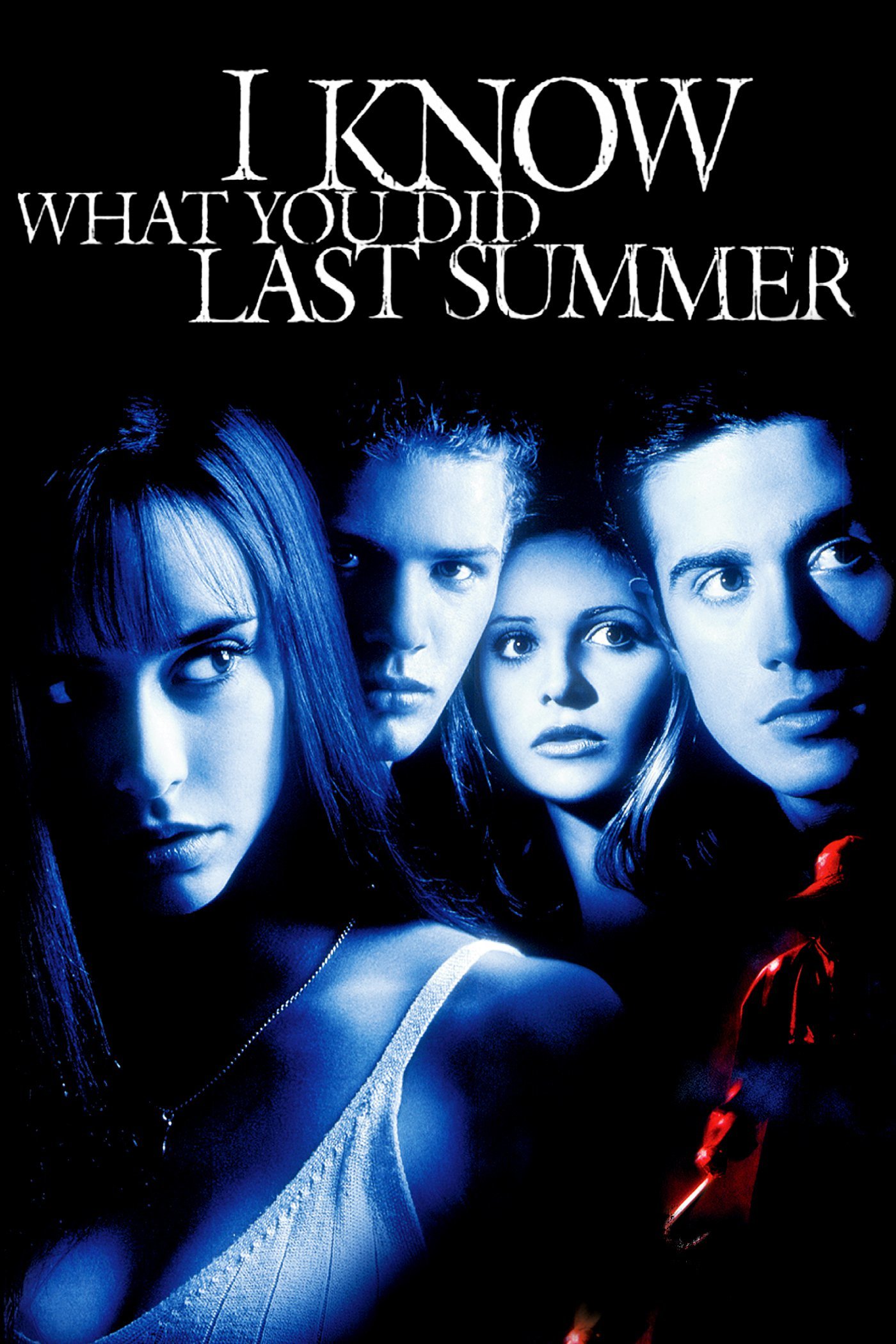
Cultural Impact and Legacy of I Know What You Did Last Summer (1997) in Pop Culture

The 1997 slasher film I Know What You Did Last Summer marked a pivotal moment in horror cinema by seamlessly merging the adrenaline-fueled tropes of the slasher genre with the introspective, coming-of-age anxieties of teenage protagonists. Unlike its predecessors, which often relied on shock value and gratuitous violence, this film introduced a layer of psychological tension and moral ambiguity, redefining how audiences engaged with horror during the late 1990s. Its influence extended beyond box office success, permeating pop culture through sequels, fan theories, and even shaping the marketing strategies of modern horror films. The film’s legacy also lies in its soundtrack, which became an iconic element of horror film scoring, and its ability to spark conspiracy theories that continue to captivate fans decades later.
The film’s success was not merely a product of its scares but of its ability to reflect the fears and rebellious spirit of its target demographic—teens and young adults navigating the complexities of adulthood. By blending the slasher’s signature suspense with themes of guilt, secrecy, and the consequences of poor decisions, I Know What You Did Last Summer created a blueprint for horror films that sought to resonate emotionally with viewers. This duality—between the external threat of the killer and the internal torment of the characters—became a hallmark of the film’s cultural impact, influencing a wave of horror movies that followed.
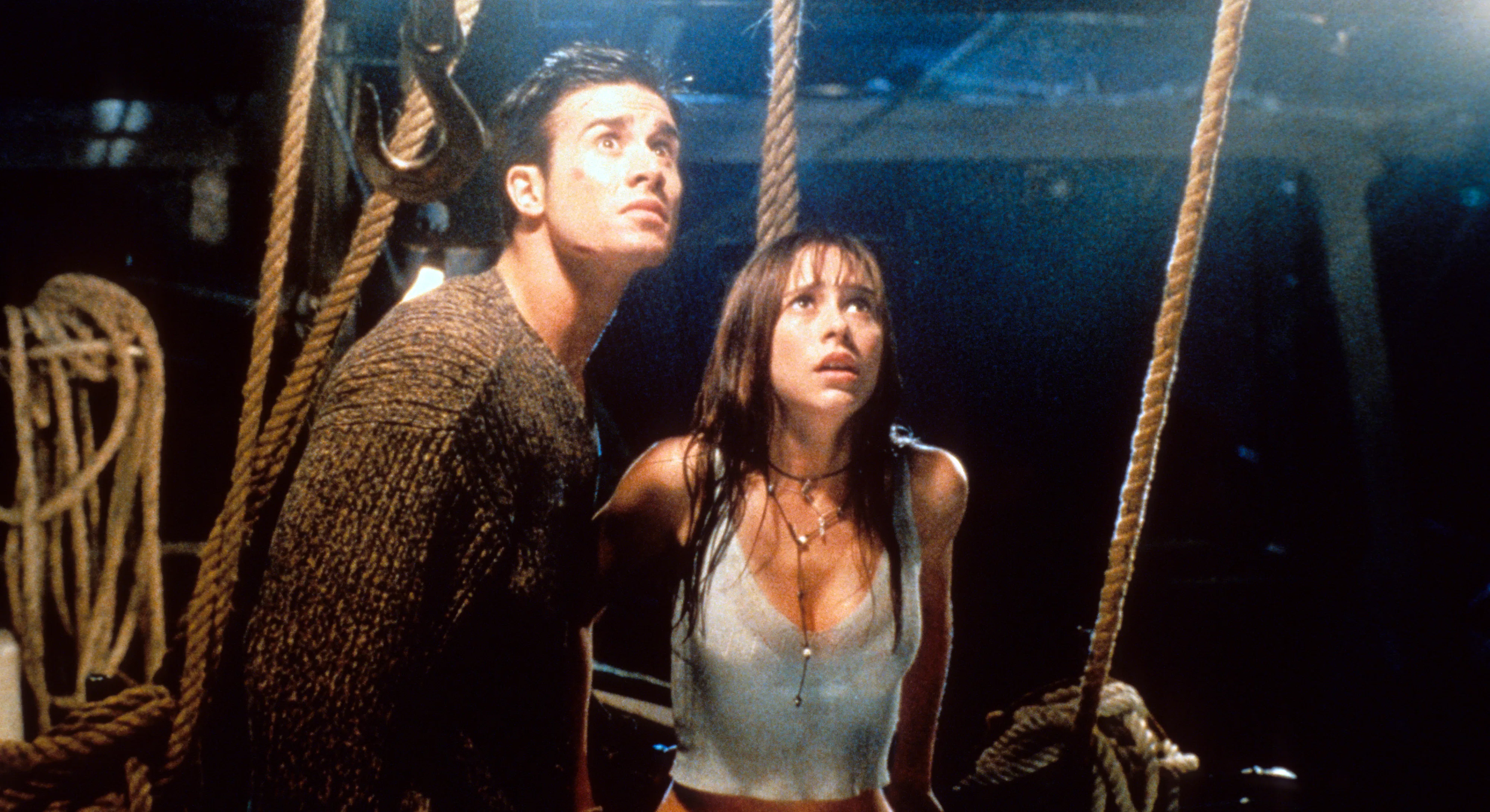
Redefining 1990s Horror: The Fusion of Slasher Tropes and Teen Drama
I Know What You Did Last Summer distinguished itself from traditional slashers by integrating coming-of-age themes into its narrative. While films like Halloween (1978) and Friday the 13th (1980) focused on survival against a supernatural or human predator, this film delved into the psychological repercussions of the characters’ actions. The four protagonists—Julie, Barry, Helen, and Ray—are not merely victims but active participants in a crime that haunts them long after the fact. Their fear is not just of the killer but of their own complicity, a theme that resonated deeply with audiences who had experienced the moral dilemmas of adolescence.
The film’s structure, which alternates between the characters’ present-day paranoia and flashbacks to the night of the accident, created a sense of relentless tension. This narrative device kept viewers invested in the characters’ fates while also exploring the fragility of their mental states. The killer, known only as "The Hook," became a symbol of unresolved guilt and the inescapable nature of past mistakes. This approach to horror—prioritizing character development and psychological depth over sheer gore—set a new standard for the genre in the 1990s. It paved the way for films like Scream (1996), which also emphasized character-driven suspense and meta-commentary on horror tropes.
Table of Contents
- Cultural Impact and Legacy of I Know What You Did Last Summer (1997) in Pop Culture
- Redefining 1990s Horror: The Fusion of Slasher Tropes and Teen Drama
- Timeline of Influence: From Sequels to Indirect Inspirations
- Fan Theories and Conspiracy Narratives: The "Beneath the Surface" Phenomenon
- Marketing Evolution: From Posters to Viral Challenges
- Behind-the-Scenes: Production Secrets and Filmmaking Techniques of I Know What You Did Last Summer (1997)
- Challenges During Filming: The Drowning Scene and Special Effects Execution
- Budget Allocation: Prioritizing Key Scenes and Visual Spectacles
- Casting Process: Jennifer Love Hewitt and Freddie Prinze Jr.’s Roles and Chemistry
- Lighting and Cinematography: Crafting Nighttime Tension
- Lesser-Known Production Facts: Reshoots, Deleted Scenes, and Behind-the-Scenes Anecdotes
- The Killer: Character Analysis of "The Hook" and Psychological Horror Elements in I Know What You Did Last Summer (1997)
- Design and Symbolism of The Hook as a Horror Villain
- Backstory and Ambiguity: Theories About Identity and Motives
- Psychological Horror: Guilt, Paranoia, and the Unreliable Narrative
- Soundtrack and Silence: Manipulating Audience Emotions
- Comparison of The Hook’s Methods to Other Slasher Villains
- Themes and Social Commentary: Guilt, Revenge, and Teen Angst in the 1990s
- Guilt as a Catalyst for Psychological Horror
- Revenge and the Cycle of Violence
- Teen Angst and the Pressure to Conform
Timeline of Influence: From Sequels to Indirect Inspirations
The cultural footprint of I Know What You Did Last Summer is evident in its direct sequels and the broader trends it inspired in horror cinema. Below is a timeline highlighting key moments in the film’s influence:
- 1998: I Still Know What You Did Last Summer The first sequel doubled down on the psychological horror elements, introducing a new killer (The Fisherman) while retaining the original characters’ guilt-ridden narratives. The film’s marketing leaned heavily into the mystery of the killer’s identity, a tactic that would later become standard in horror franchises like The Conjuring and Insidious.
- 2006: I Know What You Did Last Summer: The New Blood This direct-to-DVD sequel shifted the story to a new generation of characters, but the core premise—young adults haunted by a past crime—remained intact. The film’s release coincided with a resurgence of slasher sequels, proving the enduring appeal of the franchise’s formula.
- 1996-1999: The Slasher Revival and Meta-Horror Wave The success of I Know What You Did Last Summer contributed to the late 1990s slasher revival, alongside films like Scream (1996) and Urban Legend (1998). Scream, in particular, borrowed the idea of a killer who punishes teens for their reckless behavior, though it framed the story as a self-aware commentary on horror clichés. Urban Legend took a similar approach, using urban myths and viral fears to create suspense, much like the "Beneath the Surface" conspiracy in I Know What You Did Last Summer.
- 2010s: The Rise of Found-Footage and Psychological Horror The film’s emphasis on paranoia and hidden truths influenced later subgenres, including found-footage horror (Paranormal Activity, 2007) and psychological thrillers (The Blair Witch Project, 1999). The idea of an unseen force (or killer) lurking just out of frame became a staple of modern horror, from The Conjuring universe to Hereditary (2018).
- 2020s: Nostalgia-Driven Reboots and Social Media Horror The film’s legacy persists in modern horror through reboots and remakes, such as I Know What You Did Last Summer (2022), which attempted to recapture the original’s blend of teen angst and slasher suspense. Additionally, the rise of social media has led to a resurgence of "viral horror" tropes, where hidden messages and conspiracy theories—much like the film’s "Beneath the Surface" lore—drive audience engagement.
The film’s ability to evolve with the times, while retaining its core themes, demonstrates its lasting relevance in horror culture. Its influence is not just confined to sequels but extends to the way horror films are marketed, structured, and consumed by audiences.
Fan Theories and Conspiracy Narratives: The "Beneath the Surface" Phenomenon
One of the most enduring aspects of I Know What You Did Last Summer is the conspiracy theory surrounding the phrase "Beneath the Surface," which appears in the film’s opening credits and is later revealed to be a hidden message left by the killer. Fans have spent decades dissecting the film for clues about the killer’s identity, the true nature of the hook-wielding figure, and the deeper meaning behind the phrase. These theories have given rise to a subculture of horror enthusiasts who treat the film as a puzzle to be solved, much like the characters themselves are trapped in a web of secrets.
Key fan theories include:
- The Identity of the Killer Some fans speculate that the killer is not a single person but a collective entity, possibly representing the characters’ guilt manifesting as a physical threat. Others believe the killer is a supernatural force, given the eerie, almost otherworldly nature of the hook attacks.
- The Meaning of "Beneath the Surface" The phrase has been interpreted in multiple ways: as a literal reference to the characters’ hidden sins, a metaphor for the psychological depths of their fears, or even a nod to the film’s subtextual themes about societal expectations and repression. Some fans argue that the phrase is a callback to the film’s opening scene, where the characters’ car is submerged in water, symbolizing the drowning of their secrets.
- Hidden Messages in the Soundtrack The film’s soundtrack, particularly the song "I Know What You Did Last Summer" by Rob Zombie, has been analyzed for hidden lyrics or meanings. Fans point to lines like "You can’t hide from the truth" as direct commentary on the film’s themes of inescapable guilt.
- Connections to Other Horror Franchises Some theories draw parallels between I Know What You Did Last Summer and other horror films, suggesting that the killer is part of a larger mythos. For example, comparisons have been made to The Fisherman from the sequel, as well as to urban legends like "The Slender Man," which also prey on the fears of young people.
These theories have kept the film relevant in online communities, where forums and social media groups continue to debate its hidden meanings. The "Beneath the Surface" conspiracy has even inspired fan fiction, memes, and creative reinterpretations of the film’s lore, cementing its status as a cultural touchstone for horror fans.
Marketing Evolution: From Posters to Viral Challenges
The marketing strategies employed for I Know What You Did Last Summer in 1997 set a precedent for how horror films
Behind-the-Scenes: Production Secrets and Filmmaking Techniques of I Know What You Did Last Summer (1997)
The production of I Know What You Did Last Summer (1997) was a blend of technical innovation, creative challenges, and meticulous planning, all aimed at delivering the film’s signature blend of suspense and horror. Behind its seemingly straightforward premise lay a complex web of logistical hurdles, artistic decisions, and behind-the-scenes anecdotes that shaped the movie’s iconic atmosphere. From the infamous drowning scene to the transformation of a real Louisiana lake into a cinematic nightmare, the film’s production process reveals how practical effects, strategic budget allocation, and deliberate cinematography converged to create a lasting impact on horror cinema.
Challenges During Filming: The Drowning Scene and Special Effects Execution
The most notoriously difficult scene to film was the opening drowning sequence, where Helen Shivers (Jennifer Love Hewitt) is dragged underwater by the mysterious killer, Billy (Freddie Prinze Jr.). The scene required a combination of practical effects and animatronics to achieve its unsettling realism. Director Jim Gillespie and the special effects team faced significant challenges due to the scene’s physical demands and the need to maintain tension without relying solely on CGI—a technology that was still emerging in the mid-1990s.
For the underwater sequences, the production team constructed a large water tank on set, where Jennifer Love Hewitt performed most of the scene herself. To simulate drowning, stunt performers used weighted vests and controlled movements to create the illusion of struggle. The killer’s hand, which emerges from the water to drag Helen, was achieved using a custom-built animatronic glove operated by a puppeteer hidden beneath the surface. The scene’s eerie glow was enhanced by blue and green lighting filters, casting an otherworldly hue over the water. Despite the challenges, the team managed to shoot the scene in multiple takes, though Hewitt later admitted to feeling genuinely disoriented and frightened during the process.
The film’s use of practical effects extended to the killer’s reveal, where Billy’s face is partially obscured by a mask and later revealed through a slow, unsettling unmasking sequence. The mask itself was a latex prosthetic designed to distort features subtly, creating an air of ambiguity. Unlike later horror films that relied heavily on CGI for creature designs, I Know What You Did Last Summer prioritized tactile, tangible effects to ground its scares in reality.
Budget Allocation: Prioritizing Key Scenes and Visual Spectacles
With a production budget of approximately $13 million, I Know What You Did Last Summer allocated resources strategically to maximize its horror and suspense elements. The majority of the budget was funneled into three critical areas: the lake setting, the killer’s identity reveal, and the film’s nighttime cinematography. The lake, which serves as both a setting and a metaphor for the characters’ guilt, required extensive location scouting, set construction, and special effects to transform it into a menacing backdrop.
A breakdown of budget priorities includes: - Location Transformation (30% of total budget): The real-life Lake Charles, Louisiana, underwent significant modifications to enhance its eerie ambiance. Crews installed underwater lighting systems, added artificial debris to the water, and constructed a dock specifically for the film. The lake’s natural surroundings were preserved, but the production enhanced its horror potential through strategic lighting and set dressing. - Special Effects and Animatronics (25% of total budget): The drowning scene, the killer’s mask, and the film’s practical effects demanded skilled technicians and custom-built props. The animatronic glove alone required weeks of testing and adjustments to ensure seamless movement. - Cinematography and Lighting (20% of total budget): The film’s night scenes were a deliberate choice to amplify tension, and the budget reflected this priority. High-end lighting rigs, including hidden spotlights and underwater lamps, were used to create shadows and highlight key moments. - Cast and Crew (15% of total budget): While the leads were paid competitive salaries, the film’s success relied heavily on its technical team, including stunt coordinators, special effects artists, and cinematographers.
The remaining 10% was distributed among marketing, reshoots, and contingency funds for unexpected challenges, such as weather disruptions during lake scenes.
Casting Process: Jennifer Love Hewitt and Freddie Prinze Jr.’s Roles and Chemistry
The casting of Jennifer Love Hewitt and Freddie Prinze Jr. as the leads was a deliberate choice by director Jim Gillespie, who sought actors with natural chemistry and the ability to convey vulnerability. Hewitt, then best known for her role in The Secret World of Alex Mack, was cast after a series of auditions where she demonstrated her ability to balance innocence with underlying tension. Prinze Jr., the son of the late actor Freddie Prinze, brought a brooding intensity that aligned with the film’s darker themes. His casting was partly influenced by his ability to portray a character who could shift from likable to sinister seamlessly.
To cultivate their on-screen chemistry, Gillespie encouraged the actors to spend time together between takes, fostering a sense of familiarity that translated into believable interactions. Hewitt and Prinze Jr. also underwent physical training to prepare for the film’s more intense scenes, including swimming drills for the lake sequences. Their real-life rapport extended to behind-the-scenes moments, with Prinze Jr. later crediting Hewitt’s professionalism and adaptability as key to their dynamic.
The supporting cast, including Sarah Michelle Gellar and Ryan Phillippe, was chosen for their ability to complement the leads and add layers to the film’s ensemble. Gellar, who had gained popularity from Buffy the Vampire Slayer, brought a mix of toughness and vulnerability to her role as Julie James, while Phillippe’s casting as Barry Williams added a grounded, relatable element to the story.
Lighting and Cinematography: Crafting Nighttime Tension
The film’s night scenes are a masterclass in using lighting and cinematography to manipulate audience perception. Director of Photography Michael Barrett employed a combination of low-key lighting, natural shadows, and strategic camera angles to create an atmosphere of unease. Key techniques included:
- Blue and Green Lighting Filters: These colors were used extensively in underwater and night scenes to evoke a cold, unsettling tone. The filters were applied to existing lights and spotlights to cast an artificial glow over the lake and surrounding areas. - Hidden Spotlights: To simulate moonlight or distant lights, the crew used hidden spotlights positioned off-camera. These lights were often diffused or partially obscured to create a sense of mystery. - Low-Angle Shots: The camera frequently shot scenes from low angles, particularly during confrontations or moments of tension, to make characters appear more imposing or vulnerable. - Slow, Steadicam Shots: For scenes involving pursuit or exploration, the Steadicam was used to create a sense of movement and disorientation. This technique was particularly effective in the film’s opening sequence, where the camera glides through the water alongside Helen. - Contrast Between Light and Dark: Barrett deliberately contrasted well-lit areas with deep shadows to draw attention to specific elements, such as the killer’s masked face emerging from the darkness.
The result was a visual style that immersed the audience in the film’s world, making the lake and its surroundings feel like a living, breathing entity capable of hiding danger at every turn.
Lesser-Known Production Facts: Reshoots, Deleted Scenes, and Behind-the-Scenes Anecdotes
The production of I Know What You Did Last Summer was marked by several lesser-known details that offer insight into the film’s creation. These include:
- Reshoots Due to Weather Delays: Filming at Lake Charles was plagued by unpredictable weather, forcing the crew to reshoot several scenes. Some underwater shots had to be completed in a controlled tank due to unsafe conditions on the lake. - Deleted Scenes Involving a Fourth Character: Early drafts of the script included a fourth main character, a male friend of the group who was killed in the opening scene. This character was cut to streamline the story and focus on the core quartet. - The Killer’s Original Identity: Billy Loomis (Freddie Prinze Jr.) was originally intended to have a more overtly menacing presence, with additional scenes showing his psychological unraveling. These were trimmed to maintain suspense and avoid giving away his role too early. - Jennifer Love Hewitt’s Swimming Skills: Despite her fear of water, Hewitt insisted on performing her own swimming scenes. To ease her discomfort, the crew used a harness system for safety, though she still experienced moments of panic during takes. - The Mask’s Design Process: The killer’s mask was designed to be versatile, allowing for subtle changes in expression. The final version was crafted by special effects artist Tom Woodruff Jr., who drew inspiration from classic horror masks while ensuring it could be worn comfortably for extended periods. - Director Jim Gillespie’s Vision for the Ending: Gillespie initially envisioned a more ambiguous ending, where the audience was left questioning whether Helen had truly survived. Studio executives pushed for a definitive resolution, leading to the film’s now-iconic final shot. - Local Legends Inspired the Plot: While the film’s premise was
The Killer: Character Analysis of "The Hook" and Psychological Horror Elements in I Know What You Did Last Summer (1997)
The Hook, the vengeful killer of I Know What You Did Last Summer, stands as one of the most enigmatic and terrifying figures in slasher cinema. Unlike traditional slasher villains such as Jason Voorhees or Michael Myers, The Hook lacks a human identity, embodying a faceless force of retribution that thrives on ambiguity and psychological dread. This analysis explores the character’s design, symbolic weight, and the film’s innovative use of psychological horror, contrasting it with classic slasher tropes while examining its lasting influence on the genre.
Design and Symbolism of The Hook as a Horror Villain
The Hook’s appearance is deliberately unsettling, stripping away the personalization that often defines slasher killers. Unlike Jason or Freddy Krueger, who are tied to specific backstories and physical traits, The Hook is a mysterious, almost supernatural entity, represented by a distorted, shadowy figure with exaggerated, claw-like hands and a hunched, inhuman posture. This design choice serves multiple purposes: it depersonalizes the threat, making the killer feel less like a human antagonist and more like an inevitable force of nature. The Hook’s lack of a visible face or distinct identity forces the audience—and characters—to project their own fears onto the figure, amplifying paranoia.
Symbolically, The Hook represents collective guilt and the inescapable consequences of reckless behavior. The killer’s methods—drowning, stabbing, and dismemberment—mirror the characters’ own crimes, reinforcing the theme of poetic justice. The use of a hook as a weapon further emphasizes the idea of being "hooked" by one’s past actions, unable to escape the repercussions. This contrasts with killers like Michael Myers, whose motivation is rooted in personal trauma, or Jason Voorhees, whose rage stems from a specific grievance. The Hook’s motives are universal and impersonal, making the threat feel more pervasive and existential.
Backstory and Ambiguity: Theories About Identity and Motives
One of the most intriguing aspects of The Hook is the film’s deliberate ambiguity surrounding the killer’s identity. While later sequels and expanded lore attempt to clarify the character’s origins, the original film leaves the backstory deliberately open to interpretation. This ambiguity is a masterstroke in horror, as it allows the audience to fill in the gaps with their own fears, making the threat feel more personal and unpredictable.
Several theories have emerged over the years regarding The Hook’s identity: - A Vengeful Spirit or Ghost: The killer’s ability to appear and disappear at will, along with the eerie, misty settings, suggests a supernatural element. Some interpretations propose that The Hook is the ghost of a victim from the characters’ past or a manifestation of their collective guilt. - A Local Legend or Folklore Figure: The film’s setting in a small coastal town hints at the possibility of The Hook being tied to local myths or urban legends, much like the "Hook" in maritime folklore, which refers to a ghostly figure that drags victims into the sea. - A Psychological Projection: The killer could be a manifestation of the characters’ collective paranoia, a shared hallucination born from their guilt over the hit-and-run incident. This aligns with the film’s themes of unconscious guilt manifesting as external threat.
The ambiguity extends to the killer’s motives. Unlike slasher villains who often have clear, personal reasons for their actions, The Hook’s vengeance feels impersonal yet deeply personal, as if the killer is punishing the characters for what they could have done, not just what they did. This uncertainty heightens suspense, as the audience (and characters) never fully know when or how the killer will strike.
Psychological Horror: Guilt, Paranoia, and the Unreliable Narrative
I Know What You Did Last Summer deviates from traditional slasher films by prioritizing psychological horror over gore, focusing on the characters’ internal torment rather than relentless chase sequences. The film’s strength lies in its exploration of guilt, paranoia, and the fragility of the human psyche, themes that resonate long after the credits roll.
The protagonists—Julie, Barry, Helen, and Ray—are haunted not just by the killer, but by their own actions. The hit-and-run incident that begins the film lingers in their minds, warping their perceptions of reality. Scenes such as Julie’s nightmare sequences, where she relives the accident in vivid detail, or Barry’s hallucinations of the killer’s voice, demonstrate how guilt can distort reality. Unlike slasher films where the killer is the sole source of terror, I Know What You Did Last Summer makes the audience question whether the characters are being pursued by an external force or if their minds are breaking under the weight of their secrets.
The film’s unreliable narrative further enhances this effect. The audience is never entirely sure what is real and what is imagined, blurring the line between external threat and psychological unraveling. This technique forces viewers to experience the characters’ paranoia firsthand, creating a sense of shared dread. For example, the scene where Helen sees the killer’s shadowy figure in her room—only for it to vanish—leaves the audience questioning whether she is truly in danger or if her mind is playing tricks on her.
Soundtrack and Silence: Manipulating Audience Emotions
Sound design plays a crucial role in I Know What You Did Last Summer, with the film’s minimalist score and strategic use of silence amplifying tension. Composer Christopher Young crafted a haunting, atmospheric soundtrack that relies on dissonant strings, eerie whispers, and sudden bursts of noise to unnerve the audience. The score is often absent during key moments, replacing it with the sound of crashing waves, distant screams, or unnatural silence, which heightens the sense of isolation and impending doom.
Key examples of the soundtrack’s emotional manipulation include: - The Opening Scene: The film begins with silence, broken only by the sound of Julie’s breathing and the distant waves, immediately establishing a sense of dread. The lack of music makes the audience hyper-aware of the environment, heightening the tension as Julie’s nightmare unfolds. - The Killer’s Approach: During chase sequences, the film cuts the music abruptly, leaving only the sound of panting, splashing water, or the creak of a boat. This technique makes the killer’s presence feel more immediate and terrifying, as the audience is left to imagine the worst. - Violent Sequences: The drowning of Helen is particularly effective due to its lack of sound. The audience hears nothing but the water, making the moment feel more visceral and unsettling. Similarly, the stabbing scenes rely on sudden, sharp noises to startle the viewer, reinforcing the killer’s unpredictability.
The use of silence as a weapon is a hallmark of psychological horror, forcing the audience to fill in the gaps with their own fears. This approach is far more effective than traditional slasher scores, which often rely on loud, aggressive music to build tension. In I Know What You Did Last Summer, the absence of sound becomes a character in itself, making the horror feel more personal and inescapable.
Comparison of The Hook’s Methods to Other Slasher Villains
The Hook’s methods of killing are methodical, brutal, and often tied to the characters’ crimes, setting them apart from other slasher villains. Below is a comparison of The Hook’s techniques to those of iconic killers like Jason Voorhees, Michael Myers, and Ghostface (Scream), highlighting how each approach contributes to the overall horror experience.
| Killer | Primary Methods | Symbolism | Psychological Impact | Effectiveness in Creating Fear |
|---|---|---|---|---|
| The Hook (I Know What You Did Last Summer) |
|
|
|
Leave a Comment
Comments are moderated before appearing. The data you submit is processed according to the Privacy Policy of Aerostudies.