ac odyssey nude mods Exclusive VIP Pass Unveiling Underground Trends
Published
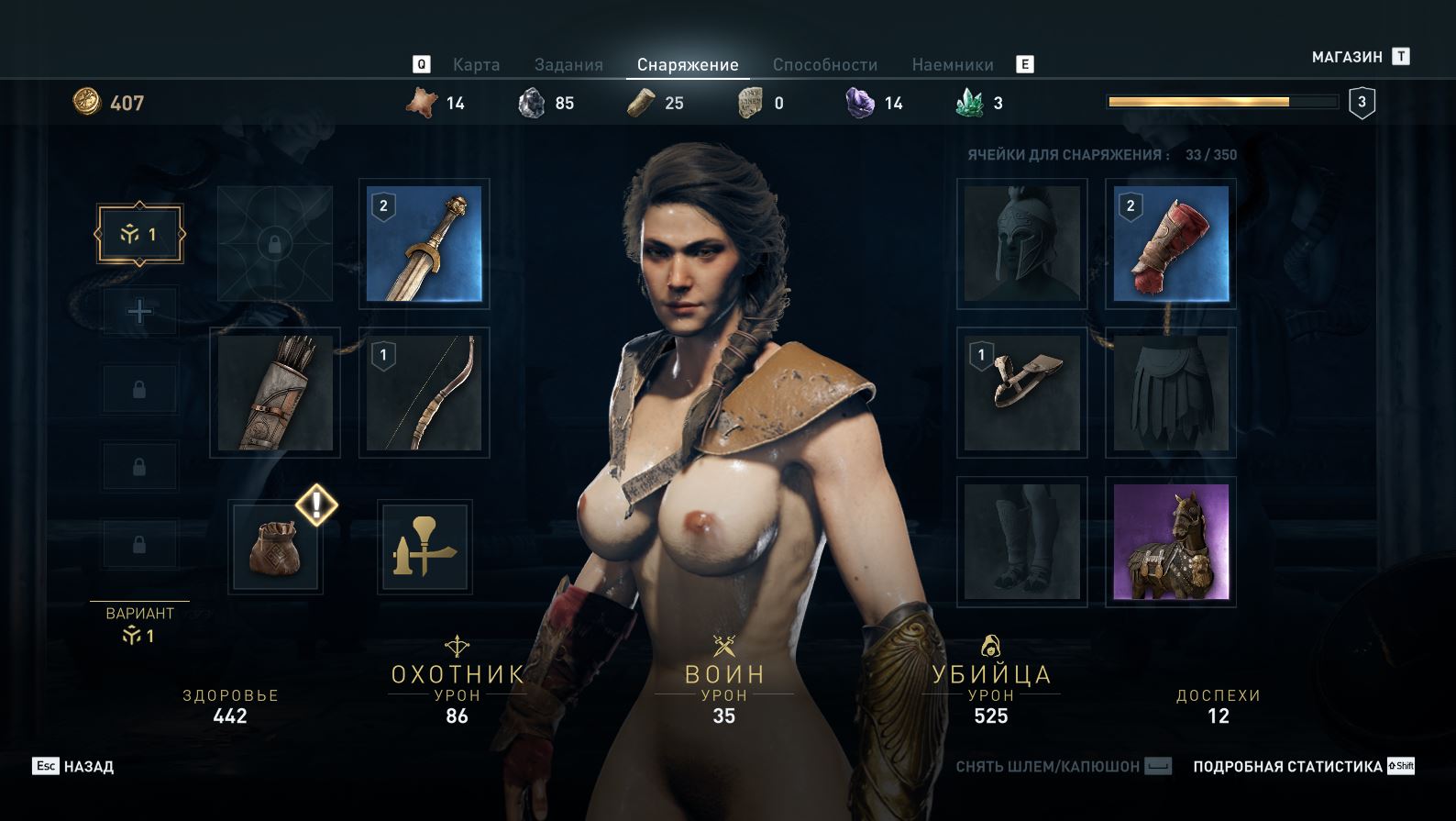
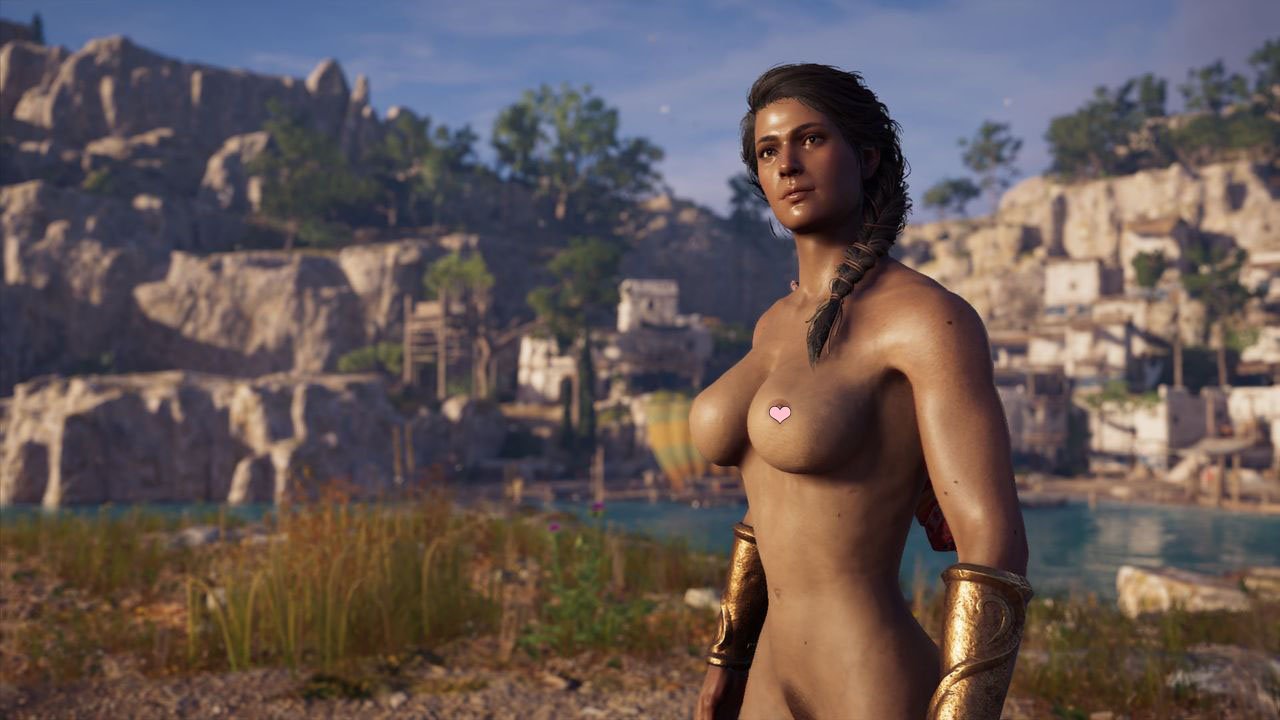
The Assassin’s Creed Odyssey modding scene has evolved into a cultural battleground where creativity clashes with controversy, particularly with the rise of nude mods and their monetization through exclusive VIP passes. What began as a niche experiment in player-driven customization has now expanded into a shadow economy, blending artistic expression with questionable financial incentives. These mods exploit the game’s robust character creator, pushing boundaries far beyond Ubisoft’s intended design while tapping into a demand for unrestricted creative control.
Behind the scenes, modders leverage technical loopholes and underground distribution networks to sell access to modified assets, creating a gray market where legal risks often outweigh the rewards. From early viral releases on Nexus Mods to high-stakes Patreon campaigns, the phenomenon raises critical questions about player agency, corporate enforcement, and the ethics of digital content creation. As Ubisoft tightens its grip on modding communities, the struggle between innovation and exploitation defines this uncharted territory of gaming culture.
Understanding the 'AC Odyssey Nude Mods' Phenomenon: Origins and Cultural Impact
The Assassin’s Creed Odyssey nude mods phenomenon represents a fascinating intersection of fan creativity, technical ingenuity, and cultural discourse within gaming communities. Released in 2018, AC Odyssey quickly became a hotbed for modding due to its expansive character customization system, which allowed players to design protagonists with unprecedented freedom. While modding has long been a staple of gaming culture—particularly in titles like Skyrim and Grand Theft Auto V—the emergence of nude mods in AC Odyssey highlighted tensions between player agency, developer intentions, and the evolving ethics of digital content creation. This trend did not arise in isolation; it was shaped by the game’s mechanics, community expectations, and the broader modding ecosystem, reflecting how players reinterpret and subvert official design boundaries.
The phenomenon also underscores a broader cultural shift: the increasing visibility and acceptance of fan-made modifications that challenge conventional norms. Unlike earlier eras where modding was largely niche, AC Odyssey nude mods gained traction through viral moments on platforms like Nexus Mods, Reddit, and YouTube, sparking debates about censorship, artistic expression, and the limits of player freedom. The game’s open-world structure and emphasis on player identity made it particularly vulnerable to such modifications, as the character creator system—while robust—left gaps that modders exploited to push boundaries further than Ubisoft’s official tools allowed.
Historical Context of Assassin’s Creed Odyssey Modding and the Rise of Nude Mods
The modding community for Assassin’s Creed Odyssey emerged almost immediately after the game’s launch, driven by its modular character customization system. Unlike previous Assassin’s Creed titles, which offered limited facial and body modifications, AC Odyssey introduced a deep character creator that allowed players to sculpt faces, adjust body proportions, and even alter tattoos. This system was designed to foster personalization, but it also inadvertently created opportunities for fan-made modifications that extended beyond Ubisoft’s intended scope.
Early modding efforts focused on enhancing visual fidelity, adding new armor sets, or introducing custom animations. However, the most controversial—and ultimately defining—trend was the creation of nude mods. These modifications removed clothing textures and animations, allowing players to render their characters without armor or garments. The first notable nude mods appeared on Nexus Mods in late 2018, developed by modders such as u/ModderX7 (Nexus Mods username) and The_Artisan (a pseudonymous creator known for texture replacements). These early releases were often accompanied by disclaimers noting that the mods were for "artistic exploration" rather than explicit content, though the line between the two was frequently blurred.
The traction of these mods can be attributed to several factors: - Accessibility of Tools: The game’s use of the AnvilNext engine (a modified version of the Creation Engine from Skyrim) made it relatively easier for modders to manipulate textures and animations compared to earlier Assassin’s Creed titles. - Community Sharing Platforms: Nexus Mods and Reddit threads, such as those in r/AssassinsCreedMods, became hubs for sharing and discussing nude mods, with some posts reaching thousands of views. - Viral Moments: Specific mods, like the "Odyssey Nude Texture Pack" by Nexus Mods user "VexedViper," gained attention not only for their technical execution but also for sparking debates about modding ethics. One infamous incident involved a modder posting a side-by-side comparison of a character in default armor versus nude form, which was widely shared and discussed in gaming forums.
Why Assassin’s Creed Odyssey Became a Prime Target for Modding Communities
The game’s design choices made it an ideal candidate for modding, particularly for nude modifications. Several key mechanics and player expectations contributed to this trend:
- Character Creator Depth: The official character creator allowed for extensive customization, but it was constrained by Ubisoft’s asset library. Modders filled this gap by replacing or removing textures, enabling players to explore body types and styles that were either impossible or unintended in the base game. - Armor System Flexibility: AC Odyssey’s armor system was modular, with pieces that could be swapped or removed. While the game included a variety of historical and fantasy-inspired outfits, modders exploited this flexibility to create "no-armor" states, effectively stripping characters of clothing. - Player Expectations of Agency: The game’s marketing emphasized player freedom, from open-world exploration to character design. When players discovered that mods could push these boundaries further, they embraced the opportunity, viewing it as an extension of the game’s creative potential.
In contrast to games like Skyrim, where nude mods were often justified under the guise of "fantasy realism" (e.g., in high-fantasy settings), AC Odyssey’s historical setting added a layer of complexity. The game’s Mediterranean backdrop—featuring real-world cultures and attire—meant that nude mods were frequently framed as anachronistic or culturally insensitive. However, this did not deter modders or players, who often dismissed such concerns as irrelevant to the game’s fictional context.
Comparative Analysis: Official Customization vs. Nude Mods
The following table compares the official character customization system in Assassin’s Creed Odyssey with what nude mods offer, highlighting key differences in depth, reception, technical challenges, and legal implications:
Aspect
Official Character Customization
Nude Mods
Key Differences
Customization Depth
Limited to Ubisoft’s pre-approved textures, armor sets, and animations.
Body proportions adjustable within a predefined range (e.g., muscle definition, facial features).
Clothing and armor must adhere to historical/fantasy themes.
Unrestricted texture and animation removal, allowing for full-body nudity.
Ability to bypass historical accuracy, enabling modern or fantasy-inspired body types.
Support for custom animations (e.g., swimming, combat) without clothing.
Nude mods offer unprecedented creative freedom, bypassing Ubisoft’s thematic and technical constraints. Official tools prioritize thematic consistency, while mods prioritize player-driven experimentation.
Community Reception
Generally positive, with players praising the depth of the character creator.
Criticisms focus on limited diversity in certain body types or armor styles.
No major controversies related to content.
Mixed reception: some players celebrate artistic expression, while others criticize it as exploitative or inappropriate.
Viral moments often spark debates about modding ethics and community guidelines.
Modders frequently face backlash for perceived "shock value" rather than technical merit.
Official customization is universally accepted, whereas nude mods divide the community along lines of creative freedom vs. ethical concerns. The latter often attracts more media attention due to its controversial nature.
Technical Challenges
No compatibility issues; fully integrated into the game.
Updates from Ubisoft may introduce new customization options but rarely break existing features.
Requires no additional software beyond the game client.
High risk of file corruption or game crashes due to improper texture/animation replacements.
Mods often break with patch updates, requiring modders to re-release fixes.
Advanced tools like NifSkope or BodySlide are required for custom animations, posing barriers for casual users.
Official tools are stable and supported, while nude mods introduce technical instability and maintenance burdens. Players must weigh convenience against risk.
Legal/Ethical Implications
Technical Deep Dive: How 'Nude Mods' Are Created and Distributed in Assassin’s Creed Odyssey
The creation and distribution of nude mods for Assassin’s Creed Odyssey represent a convergence of 3D modeling expertise, game asset manipulation, and reverse-engineering skills. Unlike traditional mods that enhance gameplay mechanics or visual fidelity, nude mods involve intricate texture and mesh editing to alter in-game character models. This process demands specialized tools, an understanding of file formats unique to the Assassin’s Creed engine, and adaptability to frequent game updates. Challenges such as UV unwrapping, animation rigging, and maintaining compatibility across patches introduce technical hurdles that distinguish Odyssey modding from other titles like Skyrim. Distribution further complicates the landscape, with modders navigating platforms that vary in visibility, legal risks, and community moderation.
The workflow begins with extracting and editing game assets, often requiring modders to dissect `.nif` (NetImmerse File Format) files for meshes and `.dds` textures for visuals. Tools like Blender, NifSkope, and BodySlide serve as the backbone of this process, each addressing specific aspects of model manipulation. However, the Odyssey engine introduces complexities not found in earlier Assassin’s Creed games, such as dynamic lighting interactions and advanced skeletal animations. Below is a breakdown of the technical pipeline, challenges faced by modders, and a comparative analysis of modding workflows across games.
Step-by-Step Process of Creating Nude Mods for AC Odyssey
The creation of nude mods involves multiple stages, from asset extraction to testing and distribution. Each step requires familiarity with both the game’s file structure and the limitations of modding tools. The process can be divided into five primary phases: asset extraction, mesh and texture editing, animation rigging, game integration, and quality assurance.
Asset Extraction
Modders begin by extracting game assets using tools like NifSkope or Fallout Mod Manager (FO3MM) alternatives tailored for Odyssey. The game files are typically located in the `Data` folder within the installation directory, where `.nif` files contain mesh data, and `.dds` files store textures. For Odyssey, critical folders include `textures/character` and `meshes/body`, which house the primary assets for character models. Modders often rely on Wrye Bash or custom scripts to batch-extract these files, as manual extraction is time-consuming.
Mesh and Texture Editing
Once extracted, `.nif` files are imported into Blender or 3DS Max for mesh editing. This involves:
UV Unwrapping: Adjusting the 2D layout of 3D models to ensure textures map correctly. Poor unwrapping can lead to distorted or misaligned textures.
Vertex Manipulation: Modifying the polygon structure to achieve desired proportions or anatomical accuracy.
Texture Replacement: Using GIMP or Photoshop to edit or replace `.dds` textures. Modders often create new textures from scratch or repurpose assets from other games, ensuring compatibility with Odyssey’s shader system.
For texture editing, modders must account for Odyssey’s dynamic lighting system, which can cause unrealistic shading if textures are not optimized for the game’s material properties. Tools like NifTools or NifSkope assist in inspecting and editing material properties embedded within `.nif` files.
Animation Rigging
One of the most complex aspects of nude modding is ensuring that modified meshes retain compatibility with Odyssey’s animation system. The game uses a skeletal rigging system where bones define how characters move. Modders must:
Preserve Bone Hierarchies: Altering bone positions or rotations can break animations, leading to glitches or deformations.
Use Morph Targets: For subtle changes (e.g., facial expressions), morph targets are applied to adjust vertex positions dynamically.
Test in Engine: Animations are tested within the game using tools like Assassin’s Creed Mod Manager (ACMM) or by manually injecting modified `.nif` files into the game directory.
Game Integration
Integrating modified assets into Odyssey requires replacing or overriding the original files. Modders use one of two methods:
1. File Replacement: Directly replacing `.nif` and `.dds` files in the game’s `Data` folder. This method is simple but risks corruption if files are not identical in structure.
2. Mod Manager Injection: Using tools like Vortex (Nexus Mod Manager) or custom scripts to inject mods into the game’s memory at runtime. This approach is more stable but requires deeper understanding of the game’s loading process.
Quality Assurance
Final testing involves playing the game with mods enabled to check for:
Visual Artifacts: Stretching, missing textures, or incorrect shading.
Performance Issues: Frame drops or crashes due to increased draw calls from modified meshes.
Animation Glitches: Unnatural movements or clipping through geometry.
Modders often release beta versions on forums to gather feedback before finalizing a mod. Tools like F4SE (Fallout 4 Script Extender) equivalents for Odyssey can help debug runtime errors, though native support is limited.
Challenges in Nude Mod Creation for AC Odyssey
Modding Assassin’s Creed Odyssey presents unique challenges that set it apart from other games in the genre. Below are the primary obstacles modders encounter, categorized by technical and environmental factors.
Texture and Mesh Editing Challenges
UV Mapping Complexity: Odyssey’s characters feature highly detailed meshes with complex UV layouts. Modifiers must manually adjust UVs to prevent texture bleeding or misalignment, which is labor-intensive for full-body models.
Dynamic Lighting Interference: The game’s advanced lighting system interacts with textures in real-time. Modders must account for specular maps, normal maps, and ambient occlusion to avoid unnatural reflections or shadows.
File Size Limitations: Large texture files can exceed Odyssey’s memory limits, leading to crashes or reduced performance. Modders often compress textures using NVTT or TXAA tools while balancing quality.
Game Compatibility Issues
Patch Updates: Ubisoft’s frequent updates often break mods by altering file paths, hash values, or asset structures. Modders must reverse-engineer patches to identify changes and update their mods accordingly.
Console vs. PC Differences: While Odyssey is primarily a PC title, some modders attempt to port mods to consoles via custom firmware. However, console versions lack file access tools, making this process nearly impossible without hardware modifications.
Anti-Cheat Measures: Ubisoft’s Easy Anti-Cheat (EAC) or Denuvo can flag modified game files as cheats, leading to bans. Modders must obfuscate files or use runtime injection to avoid detection.
Performance Impacts
Frame Rate Drops: Complex meshes and high-resolution textures increase GPU load, causing frame drops even on high-end systems. Modders must optimize models by reducing polygon counts or using LOD (Level of Detail) techniques.
Memory Leaks: Poorly integrated mods can cause memory leaks, leading to crashes after prolonged gameplay. Testing with tools like Process Explorer helps identify leaks.
Shader Conflicts: Custom shaders may not be compatible with Odyssey’s rendering pipeline, resulting in graphical glitches or black screens. Modders often rely on existing shader mods as a foundation.
Comparison of Modding Workflows: AC Odyssey vs. Other Games
While Assassin’s Creed Odyssey shares similarities with other moddable games like Skyrim or Fallout 4, its engine introduces distinct hurdles. Below is a side-by-side comparison of key aspects of the modding workflow, highlighting differences in tools, challenges, and community support.
Aspect
Assassin’s Creed Odyssey (PC)
The Elder Scrolls V: Skyrim (PC)
Fallout 4 (PC)
Primary File Formats
.nif (meshes)
.dds (textures)
.animbin (animations)
.psc (physics)
.nif (meshes)
.dds (textures)
.kf (animations)
.wot (world geometry)
.nif (meshes)
.dds (
The 'Exclusive VIP Pass' Angle: Monetization and Underground Markets in Assassin’s Creed Odyssey Nude Mods
The rise of Exclusive VIP Passes in the Assassin’s Creed Odyssey modding community represents a convergence of digital monetization strategies, underground economies, and the evolving relationship between modders, players, and game developers. What began as grassroots sharing of custom content has transformed into a sophisticated—yet often legally ambiguous—marketplace where creators leverage paywalls, subscription models, and anonymous transactions to distribute nude mods. This shift reflects broader trends in gaming culture, where niche communities monetize passion projects while navigating the risks of platform restrictions, malware, and legal repercussions. The VIP Pass phenomenon exposes the tensions between creative freedom, commercialization, and the enforcement of terms of service, particularly in games like AC Odyssey, where Ubisoft’s strict EULA clashes with the modding community’s demand for unrestricted content.
The monetization of nude mods through VIP Passes is not an isolated trend but a symptom of a larger ecosystem where modders operate as quasi-entrepreneurs, balancing visibility, revenue, and risk. Early iterations of paywalled mod packs emerged on platforms like Patreon and private Discord servers, where creators offered tiered access to exclusive content in exchange for recurring donations. Over time, this evolved into more structured monetization frameworks, including one-time purchases, cryptocurrency transactions, and even black-market distribution channels. However, this underground economy is not without its pitfalls: from malware-infected downloads to scams targeting vulnerable modding enthusiasts, the risks often outweigh the rewards for both buyers and sellers.
Emergence of Paywalled Mod Packs and the Role of Modders as Influencers
The concept of an Exclusive VIP Pass in Assassin’s Creed Odyssey nude mods traces its origins to the Patreon model, where modders began offering premium content to subscribers in exchange for financial support. Platforms like Patreon provided a legitimate avenue for creators to monetize their work, framing it as a "support the artist" initiative rather than a commercial transaction. Early adopters of this model included modders who positioned themselves as influencers within niche communities, leveraging their reputation to attract followers willing to pay for exclusive access.
One of the key drivers behind this shift was the saturation of free mod repositories, such as Nexus Mods and private forums, where content was often overshadowed by piracy and unauthorized redistribution. By introducing paywalls, modders could:
Control distribution and prevent their work from being leaked or misused.
Build a loyal fanbase through tiered rewards, such as early access to new mods or custom requests.
Justify their efforts in a community where modding was traditionally seen as a volunteer-driven activity.
Private Discord servers became another hub for VIP Pass monetization, where modders offered members-only channels filled with exclusive assets. These servers often required invitation links or membership fees, creating an air of exclusivity. The role of modders as influencers was further amplified by:
YouTube tutorials demonstrating how to install or use their mods.
Twitch streams showcasing custom content in-game.
Social media engagement, where creators teased upcoming releases to drive subscriptions.
However, this influencer-driven model also introduced transparency issues, as some modders faced accusations of overpromising features or delivering incomplete products, leading to backlash within the community.
Mechanics of Underground Monetization: Subscription Models, One-Time Purchases, and Anonymous Transactions
The underground monetization of Assassin’s Creed Odyssey nude mods employs a multi-layered approach, combining traditional subscription models with darker tactics like cryptocurrency and anonymous payments. Each method carries distinct risks and rewards, shaping how modders and buyers interact within this gray-market economy.
Subscription Models
Subscription-based monetization, primarily through Patreon, allowed modders to offer monthly tiers with varying levels of access. For example:
$5/month tier: Basic access to a curated selection of mods.
$15/month tier: Early access to new releases, custom requests, and private Discord support.
$30/month tier: Full library of mods, including unreleased or experimental content.
This model created a recurring revenue stream for creators while fostering a sense of community among subscribers. However, it also led to churn rates, as some patrons canceled subscriptions when new free alternatives emerged. Additionally, Patreon’s policies occasionally clashed with modding communities, particularly when platforms like Ubisoft or Steam enforced content restrictions.
One-Time Purchases
Inspired by Steam Workshop’s gated content system, some modders began selling one-time purchase packs containing nude assets. These were often distributed via:
Gumroad, a platform that allows digital downloads without strict content moderation.
Private Steam Workshop pages (where allowed by Valve’s policies).
Direct PayPal or credit card transactions, sometimes bundled with "premium support."
One-time purchases appealed to buyers who preferred owning content outright rather than committing to recurring payments. However, this method was highly vulnerable to piracy, as buyers frequently shared or leaked the purchased assets within hours of acquisition.
Cryptocurrency and Anonymous Payments
To bypass platform restrictions and avoid tracking, some VIP Pass sellers turned to cryptocurrency (e.g., Bitcoin, Monero) or anonymous payment methods like:
Prepaid gift cards (e.g., Amazon, iTunes) resold for mod access.
Monero (XMR) transactions, which obscured the financial trail.
Cash-based systems, where buyers met in person or used intermediaries to exchange funds for mod downloads.
These methods were particularly popular in underground forums and dark web marketplaces, where sellers advertised "no logs, no questions asked" access. However, they also introduced significant risks, including:
Scams, where buyers received malware instead of mods.
Chargebacks, as credit card transactions could be disputed.
Legal consequences, particularly if transactions were traced back to illegal activities.
Legitimate vs. Shady Monetization: Gumroad, Malware, and Scams in Modding Communities
The line between legitimate monetization and predatory practices in the Assassin’s Creed Odyssey nude mod VIP Pass market is often blurry. While some modders operate within legal and ethical boundaries, others exploit loopholes, endangering both their reputations and their customers. The distinction typically hinges on transparency, security, and compliance with platform policies.
Legitimate Monetization: Gumroad and Ethical Distribution
Platforms like Gumroad have become a preferred choice for modders seeking to sell digital assets without violating Ubisoft’s terms of service. Gumroad’s flexible content policies and low transaction fees make it an attractive option for creators who:
Sell art assets (e.g., custom textures, 3D models) as standalone products.
Offer "modding toolkits" that players can use to create their own content.
Provide tutorials on how to safely install mods without triggering anti-cheat systems.
Unlike Patreon, Gumroad does not require recurring payments, reducing the risk of subscriber fatigue. Additionally, Gumroad’s built-in payment processing minimizes the need for risky transactions. However, even legitimate sellers must navigate Ubisoft’s EULA, which explicitly prohibits:
> "The redistribution, modification, or creation of derivative works based on Ubisoft’s intellectual property without express written consent."
> Source: Ubisoft End User License Agreement (EULA) for Assassin’s Creed Odyssey
To stay compliant, ethical modders often:
Disclaim that their mods are for personal use only.
Avoid selling "game hacks" or exploits that alter core gameplay.
Use watermarked assets to deter piracy.
Shady Practices: Malware, Scams, and Exploitative Schemes
The darker side of VIP Pass monetization includes malware-laced downloads, fake support scams, and pump-and-dump schemes. Common tactics include:
Fake VIP Pass Websites: Buyers are directed to cloned sites that mimic legitimate modder pages but distribute malware (e.g., keyloggers, ransomware).
Subscription Traps: Modders offer free trials that auto-renew into paid subscriptions without clear cancellation options.
Pyramid Schemes: Buyers are encouraged to recruit others to access content, with early adopters receiving "referral bonuses" that later disappear.
Phishing for Login Credentials: Some sellers pose as "premium support" and trick buyers into entering Ubisoft/Steam account details to "unlock" mods.
One infamous example involved a Discord-based mod group that promised "exclusive AC Odyssey nude assets" in exchange for Bitcoin payments. After collecting funds, the administrators vanished, leaving buyers with nothing but malware
The Assassin’s Creed Odyssey nude mod scene and its VIP pass economy expose a fractured landscape where passion for customization meets the harsh realities of monetization and legal consequences. While modders demonstrate remarkable technical skill and artistic ambition, their efforts often walk a tightrope between inspiration and infringement. As Ubisoft continues to monitor and restrict unauthorized modifications, the future of this underground movement hinges on whether communities can find sustainable, ethical ways to monetize their work—or if the allure of exclusivity will ultimately lead to greater crackdowns. One thing remains certain: the debate over player creativity and corporate control in gaming will only intensify.

Leave a Comment
Comments are moderated before appearing. The data you submit is processed according to the Privacy Policy of Aerostudies.