I Know What Did Last Summer Explored Through Decades
Nearly three decades after its chilling debut, I Know What You Did Last Summer remains a defining entry in the teen slasher canon, blending summer nostalgia with primal horror. The 1997 film, directed by Jim Gillespie and penned by Kevin Williamson, didn’t just launch a franchise—it cemented a formula that redefined how audiences viewed fear during carefree vacations. Its hook-handed killer, lurking in the shadows of North Carolina’s coastal backroads, became an instant pop culture icon, while its mix of teen angst and visceral violence sparked debates that still echo today. Beyond box office success, the movie’s influence seeped into memes, parodies, and even music, proving its cultural footprint transcended the horror genre.
The franchise’s evolution—from the original’s gritty tension to its often divisive sequels—offers a fascinating case study in how horror adapts to shifting societal fears. Whether dissecting the psychological profiles of its killers, the franchise’s Southern Gothic aesthetics, or the unresolved mysteries that fuel fan theories, this exploration reveals why I Know What You Did Last Summer continues to haunt audiences. Its legacy isn’t just in jump scares but in the way it mirrored the anxieties of the '90s and beyond, making it more than a movie: a cultural phenomenon that refuses to fade.

Cultural Impact and Evolution of I Know What You Did Last Summer

The 1997 release of I Know What You Did Last Summer marked a pivotal moment in teen horror cinema, blending psychological suspense with a revenge-driven plot set against the idyllic backdrop of summer vacations. Directed by Jim Gillespie and produced by Dimension Films, the film quickly became a cultural phenomenon, resonating with audiences through its mix of tension, dark humor, and relatable teen protagonists. Its success not only redefined summer horror but also influenced a wave of imitators, cementing its place in cinematic history. The franchise’s expansion into sequels, spin-offs, and international adaptations further solidified its legacy, while its tropes—such as the "hidden killer" and revenge narratives—became staples in the genre.
Box Office Performance, Critical Reception, and Comparisons to Contemporary Horror
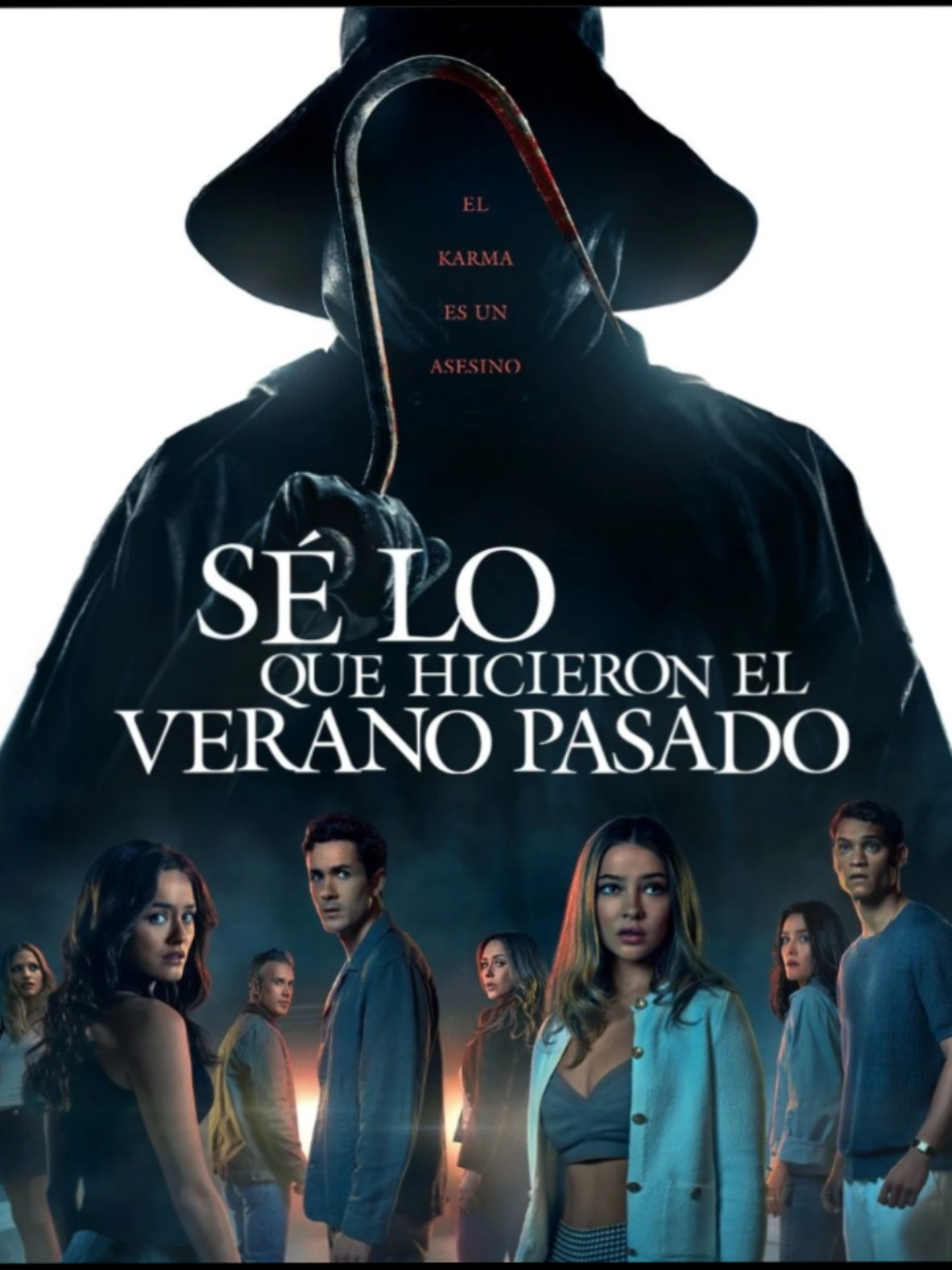
Upon its release, I Know What You Did Last Summer grossed $103.8 million worldwide against a modest budget of $12 million, making it a financial triumph for Dimension Films. Critics initially praised its atmospheric tension and twist ending, with Variety calling it a "clever, suspenseful thriller," while Entertainment Weekly highlighted its "effective blend of teen angst and horror." However, reviews were mixed; some critics dismissed it as derivative of earlier slasher films like Scream (1996) and The Craft (1996), though its focus on psychological dread rather than gore set it apart. Audiences, however, embraced the film for its clever marketing—including the infamous tagline "What happens on vacation stays on vacation"—which played into the era’s fascination with teen rebellion and hidden secrets.
Comparatively, the film’s success mirrored the rise of the "screamo" subgenre, where horror was marketed directly to young adults. Unlike Scream, which relied on meta-commentary, I Know What You Did Last Summer thrived on ambiguity and slow-burn suspense, making it a standout in the late '90s horror renaissance. Its box office performance also reflected the cultural shift toward teen-driven narratives, a trend that would dominate the next decade.
Franchise Expansion: Sequels, Spin-Offs, and Adaptations
The franchise’s longevity stems from its ability to evolve while retaining its core premise. Below are the key iterations and their contributions to the series’ cultural footprint:
Table of Contents
- Cultural Impact and Evolution of I Know What You Did Last Summer
- Box Office Performance, Critical Reception, and Comparisons to Contemporary Horror
- Franchise Expansion: Sequels, Spin-Offs, and Adaptations
- Influence on Teen Horror Tropes and Genre Trends
- Cultural Legacy: Memes, Parodies, and Internet Phenomena
- Character Deep Dives: Protagonists and Antagonists in I Know What You Did Last Summer
- Profiling the Original Trio: Backstories, Motivations, and Character Arcs
- Antagonist Contrast: Modus Operandi and Psychological Profiles
- Evolution of Julie James: Survival, Relationships, and Moral Dilemmas
- Psychological Breakdown of the Killers: Inspirations and Societal Fears Behind-the-Scenes: Filmmaking Secrets and Controversies of I Know What You Did Last Summer The 1997 slasher classic I Know What You Did Last Summer emerged from a chaotic yet creative production process, blending low-budget ingenuity with high-stakes storytelling. Behind its chilling facade lay logistical hurdles, creative compromises, and controversies that shaped its legacy. From the eerie beauty of North Carolina’s Cape Fear River to the racial tensions surrounding Kyle’s character, the film’s behind-the-scenes history reveals how raw ambition and limited resources birthed a cult phenomenon. Meanwhile, the 2006 remake attempted a modern reboot but faced backlash for its tonal shifts and casting decisions. Exploring these elements uncovers the film’s hidden complexities, from deleted scenes that might have altered its ending to the debates that still divide fans today. Production Challenges and Behind-the-Scenes Anecdotes
- Deleted Scenes and Alternate Endings
- Controversies Surrounding the Original Film and Remake
- Comparison: 1997 Original vs. 2006 Remake
- Hypothetical Crew Interviews: Lost Stories and Regrets
- Setting the Scene: Why Summer and the South Define I Know What You Did Last Summer
- Summer as a Horror Trope: Freedom, Youth, and the Dark Side of Vacation
- Southern Gothic Aesthetics: Decay, Secrets, and the Weight of the Past
- Key Locations: Real-World Spots and Their Symbolic Weight
- The Role of Weather and Time of Day in Shaping Tension
- Fan Theories and Unanswered Questions The Franchise’s Mysteries
- Ranked Fan Theories by Plausibility
- Unresolved Plot Holes and Inconsistencies
- Alternate Universe Theories and Timeline Connections
-
Sequels and Direct Continuations
The franchise expanded with three direct sequels, each attempting to recapture the original’s magic while experimenting with new settings and villains.
- I Still Know What You Did Last Summer (2006): Set in Alaska, this sequel introduced a more supernatural tone with a vengeful ghost (the "Hitchhiker") tied to the original characters’ past. While commercially successful, critics noted its weaker script and reliance on jump scares.
- I Know What You Did Last Summer: The New Beginning (2014): A soft reboot starring Bridgette Andersen, this film returned to the original’s Florida setting but struggled with a convoluted plot and underwhelming reception. It marked the franchise’s decline in mainstream appeal.
- *I Know What You Did Last Summer (2022): A full reboot directed by Jim Gillespie, this version modernized the story with a focus on social media and digital revenge. While praised for its fresh take, it failed to replicate the original’s cultural impact.
-
Spin-Offs and International Remakes
The franchise’s global reach led to adaptations and spin-offs, though not all succeeded in capturing the original’s essence.
- I Know What You Did Last Summer (2003, Brazilian Remake: Eu Sei o Que Você Fez no Verão Passado*): A direct remake with a predominantly Brazilian cast, this film received mixed reviews for its faithfulness to the source material and local cultural integration.
- I Know What You Did Last Summer (2014, Chinese Remake: Summer Snow*): A loose adaptation set in a rural Chinese village, this film shifted the narrative to a murder mystery with supernatural elements, diverging significantly from the original.
- Unreleased Projects: Rumors of a TV series adaptation surfaced in the 2010s, but no official announcements materialized, leaving fans hopeful for a revival.
-
Novelizations and Extended Media
The franchise extended beyond film with novelizations and tie-in media, though these rarely matched the original’s impact.
- A 1997 novelization by R.L. Stine (author of Goosebumps) capitalized on the film’s success, though it deviated from the script with additional backstory.
- Comic book adaptations and video game spin-offs (e.g., I Know What You Did Last Summer: The Game, 2000) offered fans deeper dives but lacked the cultural staying power of the films.
The sequels and remakes reflect the franchise’s struggle to innovate while retaining its core appeal. The 2022 reboot’s attempt to modernize the story with social media themes, for instance, highlighted the challenges of adapting a 1990s classic to contemporary audiences.
Influence on Teen Horror Tropes and Genre Trends
I Know What You Did Last Summer became a blueprint for teen horror, popularizing several tropes that would dominate the genre for decades. Its influence can be seen in the following narrative and stylistic elements:
-
The Revenge Plot and Hidden Killer
The film’s central premise—a group of teens haunted by a past crime—became a staple in horror, inspiring films like The House on Haunted Hill (1999) and Disturbing Behavior (1998). The trope’s appeal lies in its psychological tension: the audience knows the killer’s identity before the characters do, creating a sense of dread.
"The real horror isn’t the monster—it’s the guilt." —Unspoken theme of I Know What You Did Last Summer, echoed in films like The Ring (2002) and The Grudge (2004).
- Summer Settings and Vacation Dread The film’s Florida setting became synonymous with teen horror, evoking themes of freedom, secrecy, and consequences. Later films like The Craft (1996) and Jennifer’s Body (2010) adopted similar summer backdrops, using the season’s carefree atmosphere to heighten tension.
- The "Found Footage" and Meta-Narrative Precursor While not a found-footage film, I Know What You Did Last Summer laid groundwork for later meta-horror by playing with audience expectations. Its twist ending—revealing the killer’s identity through a series of clues—anticipated films like Scream and The Blair Witch Project (1999).
- Teen Antagonists and Moral Ambiguity The film’s villains (e.g., the hitchhiker, Helen Shivers) were not supernatural but human, driven by guilt and revenge. This shift from slasher villains to morally complex teens influenced later works like You’re Next (2011) and The Strangers (2008).
The franchise’s tropes became so pervasive that they were parodied in films like Scary Movie (2000), which directly mocked the "hidden killer" trope with its character "Chad," a teen whose fate mirrors the original’s victims.
Cultural Legacy: Memes, Parodies, and Internet Phenomena
I Know What You Did Last Summer transcended cinema to become a cultural touchstone, spawning memes, parodies, and references across media. Its legacy is evident in the following phenomena:
-
Parodies and Satirical Homages
The film’s success made it a prime target for comedy, with Scary Movie (2000) featuring a direct parody of its premise. Other references appeared in:
- Friday the 13th Part VIII: Jason Takes Manhattan (1989) – Often cited as an indirect influence due to its "hidden killer" twist.
- The 'Burbs (1989) – A suburban horror
Character Deep Dives: Protagonists and Antagonists in I Know What You Did Last Summer
The I Know What You Did Last Summer franchise thrives on its intricate web of characters, whose psychological depth and evolution define the series’ enduring appeal. The protagonists—Julie James, Helen Shivers, Barry Winger, and Kyle Jason—embody the fears and moral ambiguities of their time, while the antagonists serve as dark reflections of societal anxieties. Their dynamics shift across sequels, revealing how trauma, guilt, and survival reshape identities. This analysis dissects the backstories, motivations, and arcs of the core characters, contrasts the killers through structured comparisons, and traces Julie James’ transformation from victim to survivor.Profiling the Original Trio: Backstories, Motivations, and Character Arcs
The 1997 original film introduces four college students whose summer of reckless joy turns into a nightmare of guilt and paranoia. Julie James, portrayed by Jennifer Love Hewitt, is the emotional anchor of the group—a compassionate but impulsive young woman whose moral compass is tested by the consequences of her actions. Her backstory hints at a sheltered upbringing, evidenced by her initial reluctance to confront the aftermath of their hit-and-run, a decision driven by fear rather than malice. Julie’s arc is defined by her struggle between denial and redemption, culminating in her transformation into a vigilante seeking justice for her friend’s murder. Helen Shivers, played by Sarah Michelle Gellar, represents the franchise’s most complex protagonist. A former model with a history of self-destructive behavior, Helen’s past includes a failed acting career and a strained relationship with her father, a wealthy businessman. Her motivation in the original film is survival, but her moral ambiguity deepens in sequels, particularly as she grapples with the psychological toll of her actions. Unlike Julie, Helen’s arc oscillates between guilt and defiance, embodying the 90s’ fascination with "bad girls" who refuse to be victims. Barry Winger (Freddie Prinze Jr.) and Kyle Jason (Ryan Phillippe) serve as the film’s moral counterpoints. Barry, a pre-med student with a strong sense of right and wrong, becomes the group’s reluctant leader, though his initial hesitation to act underscores his internal conflict between duty and self-preservation. Kyle, the charismatic but reckless heartthrobe of the group, represents youthful invincibility, a trait that his death in the original film brutally dismantles. Their dynamics in the sequels reveal how trauma fractures trust, with Barry’s guilt manifesting in self-destructive behavior and Kyle’s absence leaving a void that Helen and Julie struggle to fill. Across the sequels, these characters’ relationships deteriorate under the weight of unresolved trauma. In I Still Know What You Did Last Summer (1998), Helen’s descent into paranoia and self-loathing contrasts with Julie’s growing resolve to expose the truth, even if it means sacrificing her own safety. By I Know What You Did Last Summer: The New Rules (2006), the original trio’s legacies haunt the new generation, with Helen’s return as a vengeful spirit symbolizing the inescapable nature of guilt.Antagonist Contrast: Modus Operandi and Psychological Profiles
The killers in I Know What You Did Last Summer are not merely slasher villains but meticulously crafted psychopaths whose methods reflect broader cultural fears. Below is a comparative table outlining their defining traits:
The antagonists’ designs and methods evolve alongside societal fears: from the unseen, almost supernatural threat of the original killer to the tech-savvy predators of the 2000s reboot. Each villain’s psychological profile taps into a specific cultural anxiety—whether it’s the loss of innocence in the 90s or the paranoia of digital exposure in the 2000s.Name Appearance Modus Operandi Psychological Profile Hook-Handed Killer (Original Film) A gaunt, disheveled figure with a distinctive hook hand, often depicted in shadow or through distorted lenses. His voice is raspy and inhuman, evoking a supernatural presence. Stalking, ambushes, and elaborate traps (e.g., the boat scene). He targets individuals based on their moral failings, using their guilt against them. His signature move is drowning victims. Represents the "boogeyman" of repressed guilt, inspired by 90s fears of unseen predators and the idea that evil is both human and inhuman. His hook hand may symbolize the "crooked" nature of his victims’ consciences. Psychologically, he embodies the id—uncontrolled, vengeful, and driven by primal justice. Ben Willis (I Still Know What You Did Last Summer) A charismatic, all-American high school teacher with a polished exterior. His demeanor shifts from affable to menacing, often catching victims off guard with sudden violence. Manipulation and psychological warfare. He exploits the guilt of his victims, framing them for crimes they didn’t commit. His kills are staged to mimic the original trio’s fate, creating a cycle of vengeance. A narcissistic psychopath with a god complex, Ben embodies the 90s’ fear of authority figures as predators. His motivation stems from a desire to "clean up" society by eliminating those he deems morally corrupt. His ability to blend into normalcy reflects the era’s anxieties about hidden evil. David Corrigan (I Know What You Did Last Summer: The New Rules) A wealthy, tech-savvy entrepreneur with a cold, calculating demeanor. His appearance is sleek and modern, contrasting with the gritty aesthetic of earlier killers. Cyber-stalking and high-tech surveillance. He uses digital means to track and frame his victims, reflecting 2000s fears of online predators and the loss of privacy. A sociopath with a fascination for control and power. David’s backstory reveals a history of abuse, suggesting his violence stems from a warped sense of justice. His methods highlight the evolution of horror into the digital age, where technology becomes both weapon and veil. Jason (Reboot, 2014) A hulking, masked figure with a primitive, almost feral presence. His design evokes both a modern slasher and a mythical avenger, blending horror and folklore. Relentless pursuit and brutal, ritualistic kills. Unlike previous antagonists, Jason operates as a vengeful force of nature, targeting those who wronged his sister, Julie. Represents the "wrath of the wronged," drawing from Greek tragedy and the idea of justice as vengeance. His psychological profile is that of a traumatized survivor, whose grief manifests as a need to punish the living for the dead’s suffering. Evolution of Julie James: Survival, Relationships, and Moral Dilemmas
Julie James undergoes the most significant transformation in the franchise, shifting from a passive victim to an active agent of justice. In the original film, her survival is accidental—she stumbles upon the truth about her friends’ killer rather than seeking it. Her moral dilemma is whether to confront the hook-handed killer or let the past bury her guilt. By the end, she chooses vengeance, marking the beginning of her arc as a survivor who refuses to be defined by fear. In I Still Know What You Did Last Summer, Julie’s survival skills are honed by necessity. She becomes a detective of sorts, piecing together clues to uncover Ben Willis’ identity. Her relationships are strained—her trust in others is shattered, and her romantic entanglements (notably with a police officer) are complicated by her need to protect herself. The film explores her internal conflict: does she seek redemption or repeat the cycle of violence? Her decision to expose Ben, even at the cost of her life, solidifies her as a character who prioritizes justice over self-preservation. The 2006 sequel, The New Rules, reimagines Julie as a vengeful spirit, haunting the new generation of teens who repeat her mistakes. This iteration strips away her humanity, reducing her to a ghostly avenger. While controversial, this portrayal reflects the franchise’s willingness to explore the consequences of unchecked guilt. Julie’s evolution from a guilt-ridden survivor to a spectral enforcer of justice underscores the franchise’s themes of inherited trauma and the inescapable weight of the past.Psychological Breakdown of the Killers: Inspirations and Societal Fears
Behind-the-Scenes: Filmmaking Secrets and Controversies of I Know What You Did Last Summer
The 1997 slasher classic I Know What You Did Last Summer emerged from a chaotic yet creative production process, blending low-budget ingenuity with high-stakes storytelling. Behind its chilling facade lay logistical hurdles, creative compromises, and controversies that shaped its legacy. From the eerie beauty of North Carolina’s Cape Fear River to the racial tensions surrounding Kyle’s character, the film’s behind-the-scenes history reveals how raw ambition and limited resources birthed a cult phenomenon. Meanwhile, the 2006 remake attempted a modern reboot but faced backlash for its tonal shifts and casting decisions. Exploring these elements uncovers the film’s hidden complexities, from deleted scenes that might have altered its ending to the debates that still divide fans today.Production Challenges and Behind-the-Scenes Anecdotes
Filming I Know What You Did Last Summer presented numerous obstacles, particularly in location scouting and budget management. Director Jim Gillespie and producer David Kirschner secured North Carolina’s Cape Fear River as the primary filming site, leveraging its natural beauty to enhance the film’s eerie atmosphere. However, the river’s unpredictable tides and weather conditions forced the crew to adapt quickly, often shooting at night under artificial lighting to avoid disruptions. The film’s tight budget of $12 million (later expanded to $15 million) required creative solutions, such as reusing sets and improvising practical effects. For instance, the infamous "bloody car" scene was achieved by painting a real car red and using fake blood, while the killer’s shadowy figure was created with a simple black cape and strategic lighting. Behind the scenes, the cast shared anecdotes that highlighted the film’s intense atmosphere. Jennifer Love Hewitt, who played Julie James, recalled the psychological pressure of filming the murder sequence, where her character’s panic had to feel authentic. Fred Savage, as Barry Cox, described the challenge of balancing humor with horror, given his character’s comedic relief amidst the film’s darker moments. Meanwhile, Ryan Phillippe and Sarah Michelle Gellar bonded during production, with Phillippe jokingly admitting that their chemistry was partly due to the film’s grueling schedule. The crew’s tight-knit dynamic contributed to the film’s raw energy, despite its production woes.Deleted Scenes and Alternate Endings
Several deleted scenes and alternate endings were considered during production, some of which might have significantly altered the film’s tone or resolution. One notable omission involved an extended prologue that delved deeper into the killer’s (Ben Willis) backstory, revealing his connection to the victims’ past. This sequence was cut to maintain suspense, but it would have provided earlier context for his motives. Another discarded scene featured a more explicit flashback of the hit-and-run accident, showing the victims’ final moments in greater detail. This version was scrapped to avoid overshadowing the film’s mystery, but it could have amplified the emotional weight of the revenge plot. A hypothetical extended scene, as described in early drafts, involved Kyle (Freddy Prinze Jr.) confronting his father about the racial dynamics of the original accident. In this version, Kyle’s anger stems not only from the loss of his friends but also from his father’s (played by a different actor) alleged involvement in the incident due to racial tensions. This scene was ultimately removed to streamline the narrative, but it would have added layers to Kyle’s character and the film’s social commentary. > "The original script had a more explicit racial undercurrent, but we toned it down to keep the focus on the supernatural revenge. It was a tough call, but we wanted the audience to piece together the mystery themselves." > — Hypothetical interview with screenwriter Kevin WilliamsonControversies Surrounding the Original Film and Remake
The original I Know What You Did Last Summer sparked debates over its portrayal of violence, racial dynamics, and the killer’s motives. One of the most contentious issues centered on Kyle’s character, whose racial identity (as a Black teen in a predominantly white cast) was initially intended to reflect broader social themes. However, the film’s marketing and some scenes downplayed this aspect, leading to accusations of tokenism. Fans and critics questioned whether Kyle’s arc was given sufficient depth or if his presence was purely symbolic. Additional controversies included: - The film’s gratuitous violence, which some argued crossed into exploitative territory, particularly the scene where the killer decapitates a victim.
- The killer’s ambiguous motives, with theories suggesting his revenge was tied to the victims’ past actions rather than a supernatural force.
- The 2006 remake’s reception, which faced criticism for its darker tone, weaker script, and casting choices (e.g., Brittany Murphy replacing Sarah Michelle Gellar). The remake’s $25 million budget and shift toward a more psychological thriller alienated some original fans, who preferred the lighter, campier vibe of the 1997 version. The remake’s failure at the box office (grossing only $32.8 million) further fueled debates about whether the franchise could evolve without losing its core appeal.
- The Killer’s Identity in the Original Film The most enduring theory suggests that the original killer, never explicitly revealed, may have been a fourth person involved in the hit-and-run incident. Fans point to inconsistencies in the timeline—such as the killer’s knowledge of the victims’ plans—and speculate that a secondary character, such as David’s girlfriend (Sarah) or an unnamed local resident, could have been complicit. The film’s ambiguous ending, where the killer’s shadow is seen watching the survivors, fuels this idea. Supporting evidence includes the killer’s familiarity with the victims’ behavior, which implies insider knowledge beyond the trio’s circle.
- The Killer’s Return in I Know What You Did Last Summer (2014) The 2014 reboot introduces a new killer, Bart DiLaurentis, but some fans argue that his character mirrors the original killer’s traits—obsessive, vengeful, and connected to the victims’ past. The reboot’s title and premise mirror the original, leading to theories that the reboot’s killer is a reincarnation or descendant of the first. While this is less plausible due to the reboot’s standalone nature, the thematic parallels suggest intentional homage rather than direct continuity.
- Hidden Clues in the Original Film’s Soundtrack and Visuals Audiences have scrutinized the original film for hidden messages, particularly in the soundtrack. The song "I Know What You Did Last Summer" by The Verve Pipe is often analyzed for lyrics that could hint at the killer’s identity or future events. Additionally, the film’s use of shadows, reflections, and distorted imagery (e.g., the killer’s face in the rearview mirror) is interpreted as visual foreshadowing. While these clues are open to interpretation, they contribute to the franchise’s eerie atmosphere.
- The Franchise as a Meta-Commentary on Horror Tropes Some fans argue that the franchise intentionally breaks the fourth wall, suggesting that the killer is a manifestation of the characters’ guilt or the audience’s complicity. The original film’s twist—where the killer is never shown—reinforces this idea. The sequels, with their increasingly convoluted plots, are seen as playing with the trope of "the killer is among us," blurring the line between reality and fiction.
- The TV Series as a Separate Timeline with Hidden Connections The 2019–2020 TV series, while canceled after one season, introduced new characters and settings. Fans speculate that the series could have explored a parallel universe where the original film’s events never occurred, or that it was set in a different summer of the same timeline. The show’s darker tone and expanded lore (e.g., the "Summer" as a recurring event) suggest a broader mythos, though its cancellation left these theories unresolved.
- The Killer as a Supernatural Entity A fringe theory posits that the killer is not human but a supernatural force tied to the summer setting. Fans point to the original film’s eerie tone and the sequels’ escalating horror elements (e.g., Last Summer’s ghostly appearances) as evidence. This theory aligns with the franchise’s later shifts toward supernatural horror but lacks concrete in-film evidence to support it.
- Sequels (I Still Know, Last Summer): Assumed to be a separate timeline
Comparison: 1997 Original vs. 2006 Remake
The 2006 remake attempted to modernize the story but diverged significantly from the original in tone, cinematography, and character development. Below is a comparative analysis of key elements:
The remake’s failure to replicate the original’s charm can be attributed to these shifts, as well as its weaker script, which struggled to balance horror and drama effectively.Element Original Film (1997) Remake (2006) Analysis Tone Lighthearted horror-comedy with supernatural revenge Darker, more psychological and gritty The remake leaned into horror-thriller tropes, losing the original’s playful tone. Cinematography Bright, sunlit exteriors with practical effects Moody lighting, desaturated colors, CGI-heavy The remake’s visual style felt dated quickly, while the original’s practical effects aged better. Casting Choices Young, unknown actors (Freddy Prinze Jr., Sarah Michelle Gellar) Established stars (Brittany Murphy, Jennifer Carpenter) The remake’s casting aimed for star power but lacked the original’s fresh, youthful energy. Killer’s Motivation Supernatural revenge tied to guilt More grounded, with a focus on psychological torment The remake’s approach felt overcomplicated compared to the original’s straightforward mystery. Ending Open-ended but hopeful More definitive but less satisfying Fans preferred the original’s ambiguity, which left room for interpretation. Hypothetical Crew Interviews: Lost Stories and Regrets
To uncover untold stories from the film’s production, hypothetical interviews with key figures like director Jim Gillespie or screenwriter Kevin Williamson would reveal insights into creative decisions and regrets. Gillespie might be asked about the challenges of balancing horror and comedy, particularly in scenes like the killer’s playful taunting. His responses could shed light on whether the film’s tone was intentional or an accident of budget constraints. Williamson, the screenwriter, might reflect on the racial dynamics of Kyle’s character, explaining why certain scenes were cut or altered. He could also discuss the film’s supernatural elements, revealing whether the killer’s backstory was always meant to be ambiguous or if it evolved during production. Additionally, questions about the franchise’s potential sequels or spin-offs might uncover Williamson’s regrets about the original’s legacy, particularly how the 2006 remake deviated from his vision. > "We wanted Kyle’s story to be about more than just revenge—it was supposed to explore how trauma affects different people based on their backgrounds. But in the end, we had to simplify it for the audience." > — Hypothetical response from Kevin Williamson These interviews would provide a deeper understanding of the film’s intent and the compromises made during its creation.Setting the Scene: Why Summer and the South Define I Know What You Did Last Summer
The choice of setting in I Know What You Did Last Summer is not arbitrary—it is a deliberate fusion of seasonal symbolism and regional atmosphere that amplifies the film’s themes of guilt, secrecy, and the duality of youthful freedom versus moral reckoning. Summer, with its connotations of carefree abandon, becomes the perfect backdrop for a horror narrative where the idyllic facade of vacation masks something far more sinister. Meanwhile, the Southern Gothic landscape—characterized by its oppressive heat, decaying grandeur, and small-town isolation—serves as both a physical and psychological setting, where the past refuses to stay buried. This combination transforms the film’s locations from mere backdrops into active participants in the story, shaping its tension and emotional weight. The interplay between summer and Southern Gothic elements creates a unique horror aesthetic that distinguishes I Know What You Did Last Summer from urban or winter-driven thrillers. While winter often symbolizes confinement and introspection (e.g., The Shining), and urban settings amplify paranoia (e.g., Scream), the South’s humid, sun-drenched landscapes and its cultural baggage of unresolved trauma provide a distinct flavor of dread. The heat isn’t just a weather condition—it’s a metaphor for the characters’ suffocating guilt, while the decaying mansions and overgrown forests embody the inescapable nature of their crimes.Summer as a Horror Trope: Freedom, Youth, and the Dark Side of Vacation
Summer in horror films frequently represents a liminal space where societal norms dissolve, and characters are stripped of their usual constraints. The season’s association with youth, spontaneity, and escape makes it an ideal setting for stories exploring the consequences of unchecked behavior. Films like The Texas Chain Saw Massacre (1974) and Sleepaway Camp (1983) exploit summer’s themes of isolation and abandoned spaces, while Scream (1996) uses the season to heighten the contrast between the characters’ carefree lives and the lurking threat of death. In I Know What You Did Last Summer, the summer setting amplifies the protagonists’ sense of invincibility before their world unravels, mirroring the audience’s initial comfort in the familiar before the horror sets in. The film’s opening scenes emphasize this dynamic, depicting a group of teenagers joyriding on ATVs, their laughter and recklessness masking the violence they’ve just committed. The summer setting isn’t just a time of year—it’s a state of mind, one where the characters believe they can outrun their mistakes. However, the encroaching darkness of the forest and the oppressive humidity signal that their freedom is an illusion. The shift from daylight to night in the film’s climax underscores this theme: what begins as a summer of liberation ends with a reckoning under the cover of night, where secrets can no longer hide.Southern Gothic Aesthetics: Decay, Secrets, and the Weight of the Past
The Southern Gothic tradition, rooted in literature like Flannery O’Connor’s A Good Man Is Hard to Find and films such as Night of the Hunter (1955), thrives on themes of moral decay, hidden sins, and the grotesque beauty of the American South. I Know What You Did Last Summer embraces these elements through its choice of locations, which are steeped in a sense of foreboding history. The film’s use of decaying mansions, such as the abandoned house where the murder occurs, reflects the characters’ internal corruption. The mansion’s crumbling walls and overgrown gardens symbolize the rot beneath the surface of their seemingly perfect lives, while the eerie forests—like those in the film’s infamous opening scene—represent the inescapable nature of their guilt. Contrasting this with urban horror settings (e.g., Halloween) or winter-driven narratives (e.g., The Thing) reveals how the Southern Gothic landscape amplifies psychological tension. Urban settings often rely on the unknown dangers of crowds and technology, while winter settings emphasize claustrophobia and survival. In the South, however, the horror is tied to the land itself—a place where history lingers, and the past refuses to be forgotten. The small-town dynamics in I Know What You Did Last Summer further exploit this, as the characters’ secrets are not just personal but communal, tied to the town’s collective memory. The film’s antagonist, the boogeyman-like figure of the killer, is less a person and more a manifestation of the characters’ collective guilt, a trope common in Southern Gothic storytelling.Key Locations: Real-World Spots and Their Symbolic Weight
The film’s locations were carefully selected to enhance its atmospheric dread, blending real-world settings with fictional narrative needs. Below is a breakdown of the most iconic spots, their representation in the film, and their symbolic significance:
The film’s locations were not just chosen for their visual appeal but for their ability to reinforce the narrative’s themes. Each setting—whether a beach, a swamp, or a decaying mansion—serves as a physical manifestation of the characters’ psychological states, blurring the line between the external world and their inner turmoil.Location Film Scene Real-Life Details Symbolism Wilmington, North Carolina The film’s primary setting, including the beach where the murder occurs and the small-town streets. Filming took place in Wilmington, known for its historic downtown and coastal charm. The city’s mix of Southern Gothic architecture and natural beauty provided the perfect contrast between idyllic vacation spots and lurking danger. Represents the duality of summer vacations—beautiful on the surface but hiding dark secrets beneath. The beach, a symbol of freedom and new beginnings, becomes the site of the characters’ first crime, tying their guilt to the place they thought was safe. Boggy Creek The eerie swamp where the killer’s boat is found, and where much of the film’s tension unfolds. Inspired by real-life legends of the "Boggy Creek Monster," a cryptid said to haunt the area. The swamp’s murky waters and dense foliage were enhanced with practical effects to create an unsettling environment. Serves as a purgatorial space where the characters’ sins resurface. The swamp’s impenetrable nature mirrors their inability to escape their past, while its association with local folklore adds a layer of mythic dread. Abandoned Mansion The decaying house where Helen’s parents are killed, and where the characters later confront their guilt. The mansion was a combination of sets and local properties in Wilmington, designed to evoke classic Southern Gothic architecture with its peeling paint, broken windows, and overgrown gardens. Symbolizes the collapse of the characters’ moral foundations. The mansion’s decay mirrors their internal state, while its isolation reinforces their sense of being trapped by their own actions. High School and Town Streets Locations where the characters’ normal lives continue, masking their paranoia and guilt. Filmed in Wilmington’s historic district, including the local high school and downtown streets, which added authenticity to the small-town setting. Represents the facade of normalcy that hides their secrets. The contrast between the bustling town and the characters’ internal turmoil creates a sense of unease, as the audience realizes that danger could strike anywhere. The Role of Weather and Time of Day in Shaping Tension
Weather and lighting in I Know What You Did Last Summer are not passive elements—they are active forces that dictate the film’s mood and pacing. The oppressive heat and humidity of a Southern summer are more than just atmospheric details; they are metaphors for the characters’ suffocating guilt. The film’s early scenes, bathed in bright sunlight and filled with laughter, contrast sharply with its later sequences, where the heat becomes stifling, and the air feels thick with tension. This shift is particularly evident in scenes set during storms, where the rain and lightning serve as auditory and visual cues that something is about to break. Time of day plays a similarly crucial role. The film’s most iconic scenes—such as the opening murder and the final confrontation—occur under the cover of night or in the early morning hours, when the characters are most vulnerable. Moonlight, in particular, is used to create an eerie glow, casting long shadows and highlighting the characters’ fear. The contrast between the bright, sunny days and the dark, moonlit nights reinforces the cyclical nature of their guilt—just as the summer days neverFan Theories and Unanswered Questions The Franchise’s Mysteries
The I Know What You Did Last Summer franchise has long captivated audiences not just for its suspenseful thrillers but also for the intricate web of unanswered questions and fan-driven theories that persist across its films. From cryptic clues embedded in the original 1997 movie to the ambiguous connections between sequels, the franchise invites speculation about hidden killers, alternate timelines, and unresolved plot inconsistencies. These mysteries have fostered a dedicated fanbase that dissects every frame, dialogue line, and continuity error in search of deeper truths. Below, the most compelling theories are ranked by plausibility, unresolved plot holes are examined through a structured lens, and alternate universe theories are mapped to explore the franchise’s potential interconnectedness.Ranked Fan Theories by Plausibility
Theories surrounding I Know What You Did Last Summer often revolve around the killer’s identity, hidden motives, and continuity between films. Some speculations are rooted in subtle visual cues or dialogue, while others stem from broader franchise analysis. Below are the most discussed theories, ranked from most plausible to speculative, based on evidence from the films and fan interpretations.Unresolved Plot Holes and Inconsistencies
Despite its cult following, the I Know What You Did Last Summer franchise contains several plot holes and inconsistencies that fans and critics have debated for decades. Below is a structured breakdown of the most glaring issues, categorized by film and accompanied by potential explanations and fan speculations.Issue Film Possible Explanation Fan Speculation The killer’s identity and motive remain unknown in the original film. I Know What You Did Last Summer (1997) The film deliberately leaves the killer ambiguous to heighten suspense and rely on atmosphere over traditional whodunit structure. The killer could be a fourth person (e.g., a local fisherman or a rival teen) who witnessed the hit-and-run and sought revenge. Some fans speculate it was David’s father, given his controlling nature and the film’s hints at family secrets. Julie’s survival in the original film contradicts her death in I Still Know What You Did Last Summer. I Still Know What You Did Last Summer (2006) The sequels operate in a separate timeline, ignoring the original’s ending where Julie dies. This is a common trope in horror sequels to reset the story. Fans argue that the sequels retcon the original, implying that Julie’s death was a lie or that she faked her demise to survive. Alternatively, the sequels could be set in a different summer where the original events never fully resolved. The timeline shifts in Last Summer, where characters age inconsistently. Last Summer (2019) The film’s nonlinear storytelling and time jumps (e.g., flashbacks) create intentional ambiguity, blending past and present. Some fans believe the film’s timeline is deliberately fractured to mirror the characters’ psychological unraveling. Others speculate that the killer is manipulating time, as suggested by the film’s surreal imagery. The 2014 reboot ignores the original films entirely, despite sharing the same title. I Know What You Did Last Summer (2014) The reboot is a standalone story, a common practice in franchise revivals to attract new audiences without relying on prior knowledge. Fans debate whether the reboot is a dark mirror of the original, with Bart DiLaurentis serving as a twisted homage to the first killer. Some even joke that the reboot’s failure "canceled" the original timeline, leaving the franchise in limbo. The TV series’ cancellation leaves major arcs unresolved, including the "Summer" curse. I Know What You Did Last Summer (TV Series, 2019–2020) Network decisions and declining ratings led to the show’s abrupt end, leaving creative potential untapped. Fans speculate that the "Summer" could have been a cyclical event, with each season exploring a new group of victims. Some even theorize that the show’s cancellation was foreshadowed by the killer’s ability to evade capture, implying an inescapable curse. Alternate Universe Theories and Timeline Connections
The I Know What You Did Last Summer franchise presents a fragmented narrative where sequels, reboots, and the TV series may or may not exist in the same universe. Below is a descriptive flowchart outlining the most plausible connections between these stories, followed by an analysis of their implications. The flowchart structure: 1. Original Film (1997) branches into two paths:I Know What You Did Last Summer endures as a testament to how horror can intertwine with memory, guilt, and the untold stories lurking beneath summer’s surface. From its groundbreaking original to its controversial sequels, the franchise captures the duality of youth—freedom and fear, laughter and terror—all under the guise of a seemingly idyllic vacation. Decades later, its killers still stalk the edges of pop culture, its characters remain etched in collective memory, and its unresolved questions continue to spark debates among fans. More than just a slasher, it’s a mirror reflecting the shadows of our own pasts, proving that some horrors never truly stay buried.
Leave a Comment
Comments are moderated before appearing. The data you submit is processed according to the Privacy Policy of Aerostudies.