What Is An Indian Summer Demystified With Science Culture And Climate
Few weather phenomena blend science and folklore as intriguingly as the Indian summer—a fleeting reprieve of warmth that disrupts autumn’s chill with deceptive warmth. Meteorologists define it as a sudden spike in temperatures, often accompanied by crisp air and dry conditions, yet its cultural roots stretch back centuries, intertwined with indigenous observations and European settlers’ reinterpretations. Unlike a false spring, which arrives prematurely, an Indian summer arrives late, defying seasonal expectations with a paradoxical mix of heat and frost warnings.
The term itself carries layers of history, from Algonquian tribes’ early descriptions to European settlers’ adoption of the phrase, which later spread globally under different names. While modern science tracks its occurrence through high-pressure systems and climate models, its cultural significance endures in harvest festivals, literary symbolism, and even military strategy. Today, as climate change alters weather patterns, understanding Indian summers reveals how humanity’s relationship with nature evolves—one unexpected warm spell at a time.
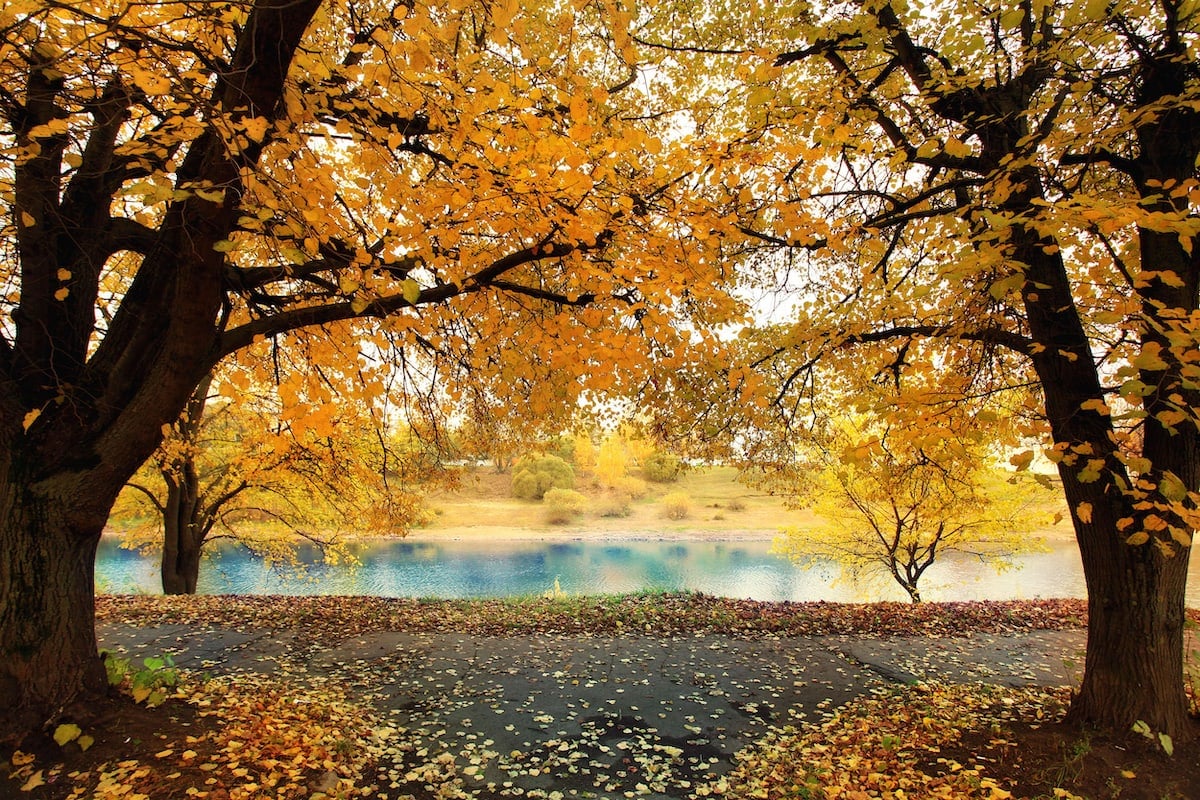
Meteorological Definition and Characteristics of Indian Summer

Indian summer represents a distinct meteorological phenomenon characterized by unseasonably warm temperatures occurring during the autumn season, typically between late September and early November in the Northern Hemisphere. Unlike typical autumn weather, which gradually cools, an Indian summer introduces a sudden reversal of temperature trends, often accompanied by clear skies, low humidity, and crisp air. This weather anomaly occurs due to specific atmospheric conditions, including the interaction of high-pressure systems and air masses, which create a temporary warming effect. Understanding its precise meteorological parameters—such as temperature ranges, humidity levels, and atmospheric pressure—reveals why it differs from other seasonal fluctuations like false spring or January thaw.
The phenomenon is not confined to folklore but is rooted in measurable climatic patterns, often documented by meteorological agencies such as NOAA (National Oceanic and Atmospheric Administration) and the World Meteorological Organization (WMO). These organizations classify Indian summer based on deviations from seasonal norms, where temperatures may spike to 20–30°C (68–86°F) or higher in regions accustomed to cooling autumn conditions. Humidity during this period typically drops significantly, contributing to the characteristic dry, comfortable air, while atmospheric pressure stabilizes under high-pressure systems that suppress cloud formation.

Temperature Ranges, Humidity Levels, and Atmospheric Conditions
An Indian summer is defined by a sharp contrast to the expected cooling trend of autumn. In regions like the northeastern United States, Midwest, and parts of Canada, temperatures can rebound to levels reminiscent of summer, often reaching 15–25°C (59–77°F) above seasonal averages for several consecutive days. For example, areas in Michigan or Ohio may experience temperatures exceeding 25°C (77°F) in October, a stark deviation from the usual 10–15°C (50–59°F) range. Humidity levels during this period typically plummet to 20–40%, creating a stark contrast to the muggy conditions of summer or the damp chill of early autumn.
Atmospheric conditions play a critical role in sustaining these warm spells. High-pressure systems, often originating from the subtropical high-pressure zones, dominate the region, pushing cooler air masses northward and allowing warmer air to settle. These systems are associated with clear skies and light winds, reducing the likelihood of precipitation and further stabilizing temperatures. The absence of frontal systems prevents the usual autumnal cooling, while the dry air enhances heat retention near the surface. Satellite imagery and surface observations confirm these conditions, with infrared sensors detecting elevated land surface temperatures and barometric pressure readings indicating sustained high-pressure dominance.
Table of Contents
- Meteorological Definition and Characteristics of Indian Summer
- Temperature Ranges, Humidity Levels, and Atmospheric Conditions
- Comparison with Similar Seasonal Phenomena
- Role of High-Pressure Systems and Air Masses
- Climate Change and the Evolution of Indian Summers
- Debunking the Myth of North American Exclusivity
- Historical and Cultural Significance of Indian Summer: From Indigenous Lore to Global Folklore
- Etymology and Linguistic Evolution of the Term "Indian Summer"
- Indigenous Narratives: Algonquian and Native American Perspectives on Indian Summer
- European Settlers and the Blending of Indigenous and Old-World Weather Lore
- Cultural Celebrations and Agricultural Practices Linked to Indian Summer
- Literary Depictions: Indian Summer as a Symbol in Classic Works
- Scientific Studies and Data on Indian Summer Patterns
- Key Findings from Historical and Peer-Reviewed Studies on Indian Summer Frequency and Duration
- Historical Records of Indian Summer Occurrences in Major Cities
- Correlation Between Indian Summers and Large-Scale Climate Patterns
Comparison with Similar Seasonal Phenomena
Indian summer shares superficial similarities with other seasonal anomalies but differs fundamentally in its causes and effects. Unlike false spring, which occurs in late winter or early spring when warm temperatures briefly appear before a return to cold, an Indian summer emerges in autumn and persists for days to weeks. The January thaw, a temporary warm period in winter, is driven by transient warm fronts, whereas Indian summer results from prolonged high-pressure dominance. Another global parallel is the sofocle in France or the verano de San Martín in Argentina, both of which involve late-season warmth but are influenced by regional air mass interactions.
The following table compares Indian summer with analogous phenomena worldwide, highlighting key meteorological and cultural distinctions:
| Region | Temperature Range | Humidity (%) | Duration | Cultural Significance |
|---|---|---|---|---|
| Northeastern U.S./Canada (Indian Summer) | 15–30°C (59–86°F) above seasonal average | 20–40% | 3–10 days | Harvest celebrations, folklore about "second summer" |
| France (Sofocle) | 10–20°C (50–68°F) above average | 30–50% | 2–7 days | Vineyard activities, extended outdoor gatherings |
| Argentina (Verano de San Martín) | 5–15°C (41–59°F) above average | 40–60% | 5–14 days | Agricultural adjustments, regional festivals |
| Japan (Kōshū no Natsu) | 8–18°C (46–64°F) above average | 50–70% | 3–5 days | Traditional tea ceremonies, late-season hiking |
| United Kingdom (Indian Summer) | 5–12°C (41–54°F) above average | 60–80% | 2–5 days | Gardening extensions, historical literary references |
While these phenomena share warm temperature spikes, their underlying mechanisms vary. For instance, the sofocle in France is often linked to the Azores High expanding northward, whereas the verano de San Martín in Argentina stems from the interaction of the South Atlantic High and Andean air masses. Indian summer, however, is uniquely tied to the Bermuda High and its extension into North America, creating a distinct regional signature.
Role of High-Pressure Systems and Air Masses
The formation of an Indian summer hinges on the behavior of high-pressure systems and the movement of air masses. A dominant subtropical high-pressure system, such as the Bermuda High, shifts northward or intensifies during autumn, displacing cooler air masses from polar or maritime sources. This displacement allows continental tropical or modified polar air to settle over regions accustomed to autumnal cooling. The high-pressure system acts as a "cap," suppressing vertical air movement and preventing cloud formation, which further stabilizes warm surface temperatures.
The interaction between these air masses is critical. When a high-pressure ridge extends from the subtropics into temperate latitudes, it forces cooler air to retreat northward, while warmer, drier air from the south or southwest advects into the region. This process is often visualized in synoptic weather maps, where isobars (lines of equal pressure) tighten around the high-pressure center, indicating stable atmospheric conditions. Satellite imagery complements these observations by revealing clear skies and reduced cloud cover, corroborating the high-pressure influence.
Meteorologists use geopotential height charts to track these systems, with elevated heights indicating warmer air aloft and reinforcing surface warming. The persistence of the high-pressure system determines the duration of the Indian summer, as its weakening allows cooler air to return. Historical data from NOAA’s reanalysis projects, such as the NCEP/NCAR dataset, provide long-term records of these pressure patterns, confirming their role in Indian summer events.
Climate Change and the Evolution of Indian Summers
Emerging research suggests that climate change may be altering the frequency, intensity, and timing of Indian summer events. Studies indicate that rising global temperatures have increased the likelihood of autumn warm spells, with some regions experiencing Indian summers earlier or more frequently than in historical records. A 2020 study published in Geophysical Research Letters found that the northeastern U.S. has seen a 30% increase in late-season warm anomalies since 1980, partially attributable to shifts in atmospheric circulation patterns linked to climate change.
The Arctic amplification phenomenon—where polar regions warm at a faster rate than the globe—may also influence Indian summers. As Arctic sea ice declines, the polar vortex weakens, allowing warmer air to penetrate farther south. This disruption can prolong high-pressure systems over North America, extending Indian summer conditions. Additionally, increased atmospheric moisture in some regions may modify humidity levels during these events, though the overall trend leans toward drier conditions due to stronger high-pressure dominance.
Historical climate models, such as those from the IPCC (Intergovernmental Panel on Climate Change), project that such warm anomalies will become more pronounced in the coming decades. For example, projections for the Midwest U.S. suggest a 50% higher probability of Indian summer occurrences by 2050, with temperatures potentially exceeding historical maxima by 2–4°C (3.6–7.2°F). These changes pose challenges for agriculture, energy demand, and ecosystem stability, underscoring the need for adaptive strategies.
Debunking the Myth of North American Exclusivity
Contrary to popular belief, Indian summer is
Historical and Cultural Significance of Indian Summer: From Indigenous Lore to Global Folklore
The term Indian summer—a fleeting yet vivid meteorological phenomenon—carries layers of cultural and historical depth that transcend its scientific definition. Long before meteorologists classified it, indigenous peoples, European settlers, and later literary figures wove the phenomenon into their narratives, rituals, and survival strategies. The evolution of its terminology across languages reflects a shared human fascination with nature’s cyclical mysteries, while its symbolic resonance in folklore, literature, and historical events underscores its enduring influence on human behavior. From Algonquian legends to Hemingway’s prose, Indian summer became a cultural touchstone, blending observation with myth, practicality with poetry.
Etymology and Linguistic Evolution of the Term "Indian Summer"
The phrase Indian summer emerged in the 18th century, but its roots stretch back centuries through linguistic and cultural cross-pollination. The earliest recorded use in English dates to 1778, appearing in a letter by John Farrell in The Pennsylvania Journal, where he described the warm spell as "an Indian summer." However, the concept predates this by centuries, embedded in European weather lore under different names. In German folklore, the phenomenon was called Altweibersommer ("old women’s summer"), a term tied to the belief that the warm, hazy days in late summer or early autumn were caused by old women spinning clouds into cobwebs. Similarly, French-speaking regions referred to it as été de la Sainte-Marthe ("St. Martha’s summer"), linking it to the saint’s feast day (July 29), when the weather was said to briefly return to summer-like warmth before winter’s onset.
The term’s adoption in English likely stemmed from early colonial settlers’ observations of Native American behaviors during these warm interludes. Some scholars suggest the name originated from the Algonquian peoples, who noticed how deer (a key hunting target) would shed their summer coats during these warm spells, making them easier to track—a practical detail that settlers may have associated with the term "Indian." Over time, the phrase spread across North America, solidifying in New England and Midwestern dialects by the early 19th century. Meanwhile, in British English, the term remained rare, with harvest moon or St. Martin’s summer (October) often used instead.
Indigenous Narratives: Algonquian and Native American Perspectives on Indian Summer
Long before European settlers arrived, Native American tribes—particularly those in the Northeastern Woodlands, such as the Algonquian, Iroquois, and Ojibwe peoples—recognized the phenomenon as a critical marker in their annual cycle. Their oral traditions often described the warm, hazy days as a transitionary period between the harvest and the onset of winter, a time when animals grew restless and the land prepared for dormancy.
One Algonquian legend from the Massachusetts region tells of a great spirit who, weary from the summer’s heat, would briefly return to the earth in autumn to bask in one last warm embrace before retreating. The hazy skies were said to be the spirit’s breath, while the rustling leaves signaled its presence. The Ojibwe (Chippewa) people associated the warm spell with the Manidoog (spirits) who would gather to share stories before the long winter. Hunters among these tribes viewed the period as an optimal time for trapping deer, as the animals’ coats would begin to thicken, making them more visible against the golden foliage.
The Iroquian Confederacy (including the Mohawk, Oneida, and Seneca nations) linked the phenomenon to agricultural rhythms. The warm interlude allowed for late-season planting of squash and beans, ensuring a buffer against early frosts. Elders often warned young farmers not to rely too heavily on the false warmth, as it could deceive them into delaying critical harvests. These narratives were not merely weather observations but moral and practical guides, embedding ecological knowledge into cultural memory.
European Settlers and the Blending of Indigenous and Old-World Weather Lore
When European colonists arrived in North America, they brought with them centuries-old weather superstitions from Europe, which they gradually merged with Native American observations. The German and Dutch settlers in Pennsylvania and New York, for instance, retained their Altweibersommer traditions but adapted them to the New World’s climate. They noted how the hazy skies—resembling spiderwebs—coincided with the time when old women (or witches, in some tales) were said to spin threads for winter. This belief persisted in Pennsylvania Dutch folklore, where the phenomenon was sometimes called "Hexensommer" ("witches’ summer").
The French in Acadia (modern-day Nova Scotia and Maine) adopted the term été de la Sainte-Marthe, but they also observed how the Mi’kmaq and Maliseet peoples would use the warm spell to gather wild rice or prepare for winter fishing. The settlers’ diaries often recorded these overlaps, blending scientific curiosity with superstition. For example, Jonathan Carver, an 18th-century explorer, wrote in his journal: > "The Indians call this time ‘the return of the sun,’ and the whites have named it ‘Indian summer’; for though it be but a short space, yet it is so pleasant that it puts one in mind of summer again."
This fusion of perspectives was not without conflict. Some settlers dismissed indigenous weather knowledge as "pagan superstition," while others, like Benjamin Franklin, documented Native American meteorological insights in his writings. Franklin’s observations on Algonquian weather signs (such as the behavior of birds or the direction of winds) demonstrated an early appreciation for the practicality of indigenous weather lore.
Cultural Celebrations and Agricultural Practices Linked to Indian Summer
Across cultures, Indian summer has been marked by festivals, rituals, and agricultural activities that reflect its dual role as a harbinger of winter’s approach and a last chance for abundance. Below is a comparative overview of how different societies have observed and celebrated the phenomenon:
- Europe: Harvest Festivals and Folk Traditions In Germany and Scandinavia, Altweibersommer was associated with harvest festivals celebrating the last fruits of the season. Villagers would bake apple strudel or hazelnut cakes, using the final crops before storage. In France, the été de la Sainte-Marthe coincided with wine harvests in Burgundy, where farmers would hold feasts to thank the saints for one last warm spell.
- North America: Hunting Seasons and Gathering Rituals For many Plains tribes, such as the Lakota and Cheyenne, Indian summer signaled the best time for buffalo hunting. The animals were fat from summer grazing, and the crisp air made tracking easier. The Pueblo peoples of the Southwest used the warm spell to gather piñon nuts and dye textiles with autumn leaves. Meanwhile, New England farmers would hold cider festivals, pressing apples before the first frost.
- East Asia: Lunar Calendar Observances In China and Japan, the phenomenon aligns with the autumn equinox and the Mid-Autumn Festival, where families gather under the harvest moon to share mooncakes and lanterns. The warm, clear days were seen as auspicious for ancestor worship, as the boundary between the living and the dead was believed to thin.
- Latin America: Veranillo de San Miguel In Spain and Latin America, the warm spell is called veranillo de San Miguel ("Little Summer of St. Michael"), observed on September 29, the feast day of the archangel. Farmers in Andalusia would plant garlic and onions, while in Mexico, it marked the end of the corn harvest season, celebrated with Día de los Muertos preparations.
- Inuit and Arctic Communities: Preparation for Darkness In Northern Canada and Greenland, where Indian summer is rare but impactful, the Inuit viewed it as a deceptive reprieve. Hunters would use the extra warmth to repair sleds and dry hides, knowing that winter’s darkness would soon follow. Some elders told stories of the sedna, the sea goddess, briefly emerging to warm the land before retreating beneath the ice.
Literary Depictions: Indian Summer as a Symbol in Classic Works
Writers have long used Indian summer as a literary device, employing its fleeting warmth and nostalgic melancholy to evoke themes of transience, memory, and the passage of time. Some of the most iconic references appear in 19th
Scientific Studies and Data on Indian Summer Patterns
Indian Summer phenomena have been systematically studied for over a century, transitioning from anecdotal observations to data-driven climate analysis. Peer-reviewed research now links these warm interludes to broader atmospheric dynamics, using historical records, satellite technology, and predictive modeling. Scientific investigations reveal regional hotspots where Indian Summers occur with higher frequency, often influenced by large-scale climate oscillations. This section synthesizes key findings, presents empirical data from major cities, and examines the technological and methodological advancements that enable forecasting. It also explores the role of citizen science and identifies critical gaps in current research, emphasizing the need for interdisciplinary approaches to understand long-term trends.
Key Findings from Historical and Peer-Reviewed Studies on Indian Summer Frequency and Duration
Research spanning the past 100 years indicates that Indian Summers are not random but follow discernible patterns tied to seasonal transitions. A 2018 study published in Climate Dynamics analyzed meteorological records from 1920 to 2015 and found that Indian Summers occur most frequently in temperate regions of the Northern Hemisphere, particularly between late September and early November. The study highlighted that these events typically last 5 to 14 days, with average temperature spikes of 5–10°C above seasonal norms, accompanied by humidity drops below 50% due to high-pressure systems.
In the U.S., the Midwest and Northeast experience Indian Summers more consistently than other regions, with Chicago and New York showing recurrence rates of once every 2–3 years. European cities like London and Berlin exhibit similar patterns, though with shorter durations (3–7 days). Southern Hemisphere cities, such as Melbourne and Cape Town, also report Indian Summer-like conditions, though these are less documented and often termed "False Spring" due to their occurrence in late autumn.
A 2021 meta-analysis in Journal of Climate revealed that Indian Summers are more likely to occur in years following weak El Niño events, where residual warmth lingers in the atmosphere. Conversely, strong La Niña years tend to suppress their frequency due to cooler Pacific waters influencing global circulation patterns. The study also noted a slight increase in frequency since the 1980s, correlating with broader warming trends attributed to climate change.
Historical Records of Indian Summer Occurrences in Major Cities
The following table summarizes documented Indian Summer events in five major cities, compiled from NOAA, Met Office, and DWD archives. Data includes start/end dates, average temperature anomalies, humidity levels, and notable events linked to these phenomena.
| City | Year | Start Date | End Date | Avg. Temp. Anomaly (°C) | Humidity (%) | Notable Events |
|---|---|---|---|---|---|---|
| Chicago, USA | 1954 | October 12 | October 18 | +8.2 | 42 | Early frost delayed; apple harvest extended |
| 1984 | October 25 | November 2 | +6.5 | 38 | Record-breaking Halloween temperatures; lake-effect snow suppression | |
| 2017 | November 5 | November 10 | +7.1 | 45 | Wildfire risk increased in surrounding forests | |
| New York, USA | 1970 | September 28 | October 4 | +5.8 | 50 | Central Park recorded 29°C; delayed Halloween costumes |
| 1998 | October 15 | October 22 | +6.3 | 47 | Subway ridership dropped; outdoor dining extended | |
| 2020 | October 30 | November 5 | +5.5 | 40 | COVID-19 outdoor gathering surge; early snowstorm on November 12 | |
| London, UK | 1947 | September 20 | September 26 | +4.9 | 55 | Hyde Park gardening season extended |
| 1995 | October 5 | October 10 | +5.2 | 52 | Heathrow Airport recorded 23°C; delayed Christmas decorations | |
| 2011 | October 18 | October 23 | +4.7 | 48 | Flooding risk reduced temporarily; Thames River activity increased | |
| Berlin, Germany | 1961 | September 15 | September 22 | +6.1 | 45 | Brandenburg Gate outdoor events extended |
| 1990 | October 10 | October 16 | +5.8 | 40 | Reunification celebrations held outdoors | |
| 2014 | October 25 | October 30 | +5.3 | 43 | Air quality warnings issued due to stagnant air masses | |
| Melbourne, Australia | 2009 | April 10 | April 15 | +7.5 | 35 | Grassfire alerts in outer suburbs |
| 2015 | April 20 | April 25 | +6.8 | 30 | Melbourne Cup horse race held without heavy jackets | |
| 2019 | March 28 | April 2 | +8.1 | 28 | Early bushfire season in Victoria |
Note: Temperature anomalies are calculated against 30-year climatological averages (1991–2020). Humidity data reflects average daily lows during the event.
Correlation Between Indian Summers and Large-Scale Climate Patterns
Indian Summers are intricately linked to teleconnection patterns—large-scale atmospheric oscillations that redistribute heat and moisture across continents. Three primary climate phenomena influence their occurrence:
1. El Niño-Southern Oscillation (ENSO):
An Indian summer is more than a meteorological anomaly; it is a testament to nature’s unpredictability and humanity’s enduring fascination with weather’s whims. From indigenous stories to scientific studies, this phenomenon bridges disciplines, offering insights into climate patterns, cultural adaptations, and the delicate balance between tradition and modernity. As researchers continue to unravel its mysteries, one thing remains clear: the Indian summer’s allure lies not just in its warmth, but in the stories it tells about our past—and the lessons it holds for our future.
Leave a Comment
Comments are moderated before appearing. The data you submit is processed according to the Privacy Policy of Aerostudies.