What Time Is It In London Right Now Unveiling Global Timekeeping Secrets
Every second counts when coordinating across continents but knowing what time it is in London right now remains a critical puzzle for travelers business professionals and global citizens alike. London’s time zone a blend of Greenwich Mean Time and British Summer Time serves as a linchpin in international scheduling yet confusion persists about how daylight saving shifts or UTC offsets influence daily life. From financial markets in Tokyo to family calls from Sydney the stakes of accurate timekeeping are undeniably high.
The city’s historical dominance in maritime navigation cemented its role in shaping modern time standards yet today’s digital age demands instant precision. Whether relying on smart devices for real-time updates or troubleshooting a misaligned clock the interplay between technology and tradition defines how London time functions in a hyperconnected world. This exploration dives into the mechanics behind London’s clockwork its cultural legacy and the practical tools ensuring accuracy for millions worldwide.

Understanding Time Zones and London’s Position in Global Timekeeping
Time zones standardize the measurement of time across the globe, ensuring synchronization in communication, travel, and business operations. These zones are determined by Earth’s rotation and the division of its surface into 24 longitudinal segments, each spanning 15 degrees. At the heart of this system lies the Prime Meridian (0° longitude), a reference line passing through Greenwich, London, which serves as the basis for Greenwich Mean Time (GMT)—the original standard for global timekeeping. London’s strategic position as the host of the Prime Meridian makes its time zone pivotal in defining Coordinated Universal Time (UTC), the modern successor to GMT.
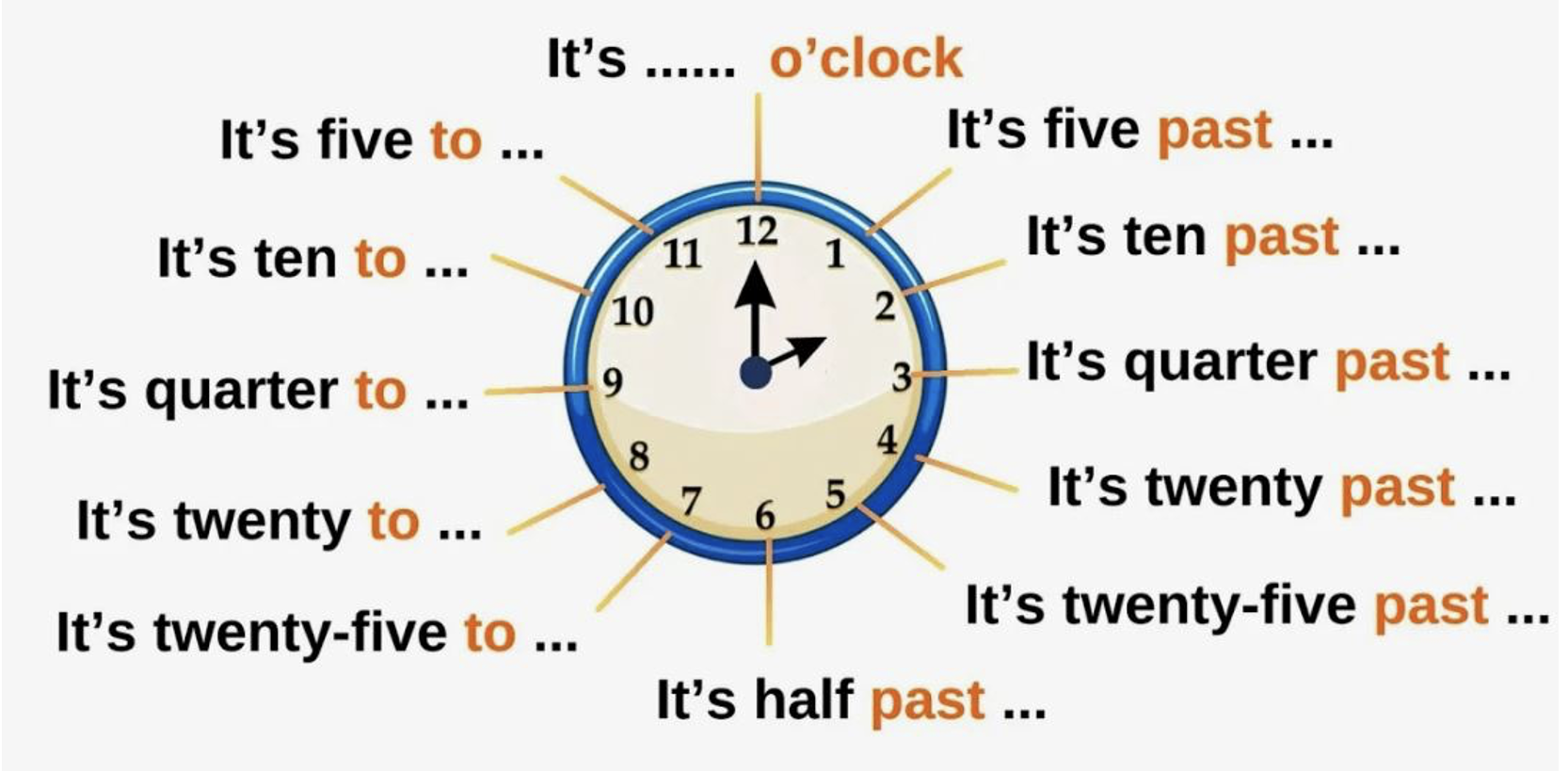
The concept of time zones emerged in the 19th century to address inconsistencies in local solar time, which varied by location. Before standardization, cities relied on sundials or local noon, leading to discrepancies even within short distances. The International Meridian Conference of 1884 formally adopted Greenwich as the global reference point, cementing London’s role in timekeeping. Today, GMT and its daylight-saving variant, British Summer Time (BST), reflect this historical legacy while adapting to modern needs.
Global Time Zones and the Role of Longitude
Earth’s rotation divides the planet into 24 time zones, each representing one hour of the day. The division is based on longitude, with each zone covering 15 degrees east or west of the Prime Meridian. For example: - 0°–7.5°E (GMT/UTC±0): London and surrounding regions. - 7.5°E–22.5°E (UTC+1): Central European Time (CET). - 90°W–75°W (UTC−5): Eastern Time Zone (ET) in the U.S.
The International Date Line (IDL), located near 180° longitude, marks the boundary where dates change. Crossing it westward advances the date by a day, while eastward travel delays it. This system ensures global consistency, though exceptions exist for political or practical reasons (e.g., China’s single time zone despite spanning five zones).
Key Principle: Time zones align with Earth’s rotation, with each 15° of longitude corresponding to a 1-hour difference. The Prime Meridian (0°) defines UTC, while the IDL adjusts calendar dates.
London’s Time Zone: GMT and BST Explained
London operates primarily on GMT (UTC+0) during standard time and BST (UTC+1) during daylight saving. GMT, historically derived from astronomical observations at the Royal Observatory, Greenwich, became the global standard in 1884. BST was introduced in 1916 to extend evening daylight during summer, a practice adopted by many countries in the Northern Hemisphere.
Table of Contents
- Understanding Time Zones and London’s Position in Global Timekeeping
- Global Time Zones and the Role of Longitude
- London’s Time Zone: GMT and BST Explained
- Historical Significance of London’s Time Zone
- Comparing London’s Time Zone with Major Global Cities
- Calculating Time Differences Using UTC as a Reference
- How to Check the Current Time in London Instantly
- Methods for Instantly Checking London Time
- Step-by-Step Guide: Using Google Search for London Time
- Comparison of Popular Time-Checking Apps
- Free Online Resources for Real-Time London Time
- Setting Up a World Clock Widget
- Smart Home Devices and Voice Commands
- Practical Applications of Knowing London Time in Global Operations
- Scheduling Meetings and Business Coordination Across Time Zones
- Flight Scheduling and Aviation Industry Dependencies
- Live Sports Broadcasting and Global Fan Engagement
- Managing Family Routines and Cross-Time-Zone Parenting
- Cultural and Social Events Anchored in London Time
- Technical Deep Dive: Time Synchronization and Accuracy in London Timekeeping
- Atomic Clocks and the Foundation of Time Accuracy
- Network Time Protocol (NTP) and Global Time Distribution
- GPS Time Synchronization and Its Limitations
- Server Infrastructure: How Google and NPL Maintain London Time
- Leap Seconds and Time Adjustments in London’s Timekeeping
- Verification of Clock Accuracy: Cross-Referencing with NIST and NPL
- Comparison: Analog vs. Digital Timekeeping Methods
- Cultural and Historical Perspectives on Time in London
- The Maritime Imperative and GMT’s Global Adoption
- Literature, Art, and Time in 19th-Century London
- Landmarks as Symbols of Timekeeping
- A Timeline of London’s Timekeeping Evolution
- A Day in the Life of a 19th-Century Londoner: Timekeeping Before Modern Devices
- Contrasting London’s Systematic Time with Global Traditions
- Troubleshooting Common Time-Related Issues in London
- Common Mistakes When Checking London Time and Their Solutions
- Fixing Incorrect Time Settings Across Operating Systems
- Handling Time Zone Confusion During Travel to London
- Signs of a Device’s Clock Being Out of Sync and Correction Steps
- Resolving Time-Sensitive Service Issues Due to Incorrect London Time
The shift between GMT and BST occurs annually: - Last Sunday in March: Clocks move forward 1 hour (BST begins). - Last Sunday in October: Clocks move back 1 hour (GMT resumes).
This adjustment aligns sunset times with human activity, though debates persist over its economic and health impacts. For instance, studies suggest BST reduces road accidents by increasing evening light but may disrupt sleep patterns.
Time Zone Formula: Local Time = UTC ± Offset Example: London in BST = UTC +1; New York (EST) = UTC −5.
Historical Significance of London’s Time Zone
London’s adoption of GMT in the 19th century transformed global timekeeping. The Great Western Railway in 1840 proposed standardizing time to coordinate schedules, leading to the Railway Time bill of 1847. By 1880, GMT was widely used in British colonies, and the International Meridian Conference solidified its dominance. Today, UTC (synchronized via atomic clocks) replaces GMT for precision, though "GMT" remains colloquial.
The Greenwich Observatory symbolizes this legacy, housing the Prime Meridian Line and a museum dedicated to timekeeping. Its historical artifacts, such as the Shepherd Clock (1670), illustrate the evolution from celestial navigation to atomic accuracy.
Comparing London’s Time Zone with Major Global Cities
Time differences between London and other cities depend on their UTC offsets. Below is a comparison with major hubs, assuming BST (UTC+1) in London:
| City | Time Zone (UTC Offset) | Time Difference from London (BST) | Example Scenario |
|---|---|---|---|
| New York | UTC−4 (EST) / UTC−5 (EDT) | 5–6 hours behind | A 9 AM call to London during EDT (UTC−4) is 2 PM BST. |
| Tokyo | UTC+9 | 8 hours ahead | London’s 9 AM BST is 5 PM JST (Japan Standard Time). |
| Sydney | UTC+10 (AEDT) | 9 hours ahead | London’s midnight BST is 9 AM AEDT. |
| Dubai | UTC+4 | 3 hours ahead | London’s 9 AM BST is 12 PM GST (Gulf Standard Time). |
| Los Angeles | UTC−7 (PST) / UTC−8 (PDT) | 7–8 hours behind | London’s 1 PM BST is 5 AM PST (no daylight saving). |
Note: Time differences vary with daylight saving. For example, London’s BST (UTC+1) vs. New York’s EDT (UTC−4) results in a 5-hour gap, while GMT (UTC+0) vs. New York’s EST (UTC−5) is 5 hours.
Calculating Time Differences Using UTC as a Reference
To determine the time difference between London and another city, follow these steps: 1. Identify UTC offsets for both locations (e.g., London BST = UTC+1, Tokyo = UTC+9). 2. Subtract the smaller offset from the larger to find the absolute difference. - Example: Tokyo (UTC+9) − London (UTC+1) = 8-hour difference. 3. Adjust for daylight saving if applicable (e.g., London’s BST adds 1 hour to its offset).
Manual Calculation Steps: 1. Locate UTC offset for City A and City B. 2. Compute |Offset A − Offset B|. 3. Add/subtract based on whether the city is ahead or behind.
- Example 1: Sydney (UTC+10) vs. London (UTC+0).
- Difference = |10 − 0| = 10 hours ahead.
- Result: London’s 9 AM GMT is 7 PM AEDT.
- Example 2: New York (UTC−5) vs. London (UTC+1).
- Difference = |−5 − 1| = 6 hours behind.
- Result: London’s 3 PM BST is 9 AM EST.
For real-time accuracy, use UTC converters or time zone databases like those provided by IANA (Internet Assigned Numbers Authority). These tools account for historical changes, such as Dubai’s 2016 abandonment of daylight saving, which shifted its offset permanently to UTC+4.
How to Check the Current Time in London Instantly
Instant access to London’s current time is essential for travelers, remote workers, and global coordination. Leveraging digital tools—from search engines to smart devices—eliminates the need for manual time zone calculations. Below are reliable methods to retrieve London time (GMT/BST) in real-time, including step-by-step guides, app comparisons, and smart device integrations.
Methods for Instantly Checking London Time
Digital tools provide multiple ways to verify London’s current time without delays. These methods range from quick search queries to automated smart device responses. Each approach varies in convenience, accuracy, and accessibility, catering to different user preferences.
Online Tools and Search Engines The simplest method involves using search engines or dedicated websites. Platforms like Google, Bing, or specialized time-zone services fetch data from atomic clocks and adjust for daylight saving time (BST) automatically. For users on-the-go, these tools require minimal effort—often just a few keystrokes.
Mobile Applications Dedicated world clock or time-zone apps offer customizable interfaces, notifications, and offline capabilities. These apps sync with global time servers, ensuring precision even in areas with poor internet connectivity.
Smart Devices and Widgets Modern devices—smartphones, wearables, and home assistants—integrate time-zone functions natively. Users can set default time zones, receive voice updates, or display clocks on home screens without manual input.
Step-by-Step Guide: Using Google Search for London Time
Google’s search engine provides an instant solution with minimal user interaction. Follow these steps to retrieve London’s current time:
1. Open a Web Browser or Mobile App Launch Chrome, Safari, or Google’s mobile app on any device with internet access.
2. Enter the Search Query Type the following into the search bar: "What time is it in London" Alternatively, use the shorthand: "London time" Google will display a rich snippet at the top of the results, showing the current time in London (e.g., "London, United Kingdom is on GMT/BST").
3. Verify the Time Zone The snippet includes: - Current time (e.g., 15:30 BST). - Time zone abbreviation (GMT or BST, depending on daylight saving status). - Date (if enabled in settings). Below the snippet, Google may show a world clock widget with additional cities for comparison.
4. Screenshot Reference Imagine a desktop search result showing: - A bold heading: "London, United Kingdom" with time "15:30 BST". - A secondary line: "Daylight Saving Time is in effect" (if applicable). - A mini-map pinpointing London’s location for context.
Pro Tip: Enable Google’s "Time Zone" setting in search preferences to prioritize time-related snippets. On mobile, long-press the search bar to access this option.
Comparison of Popular Time-Checking Apps
Not all apps deliver London time with equal reliability. Below is a comparison of leading tools based on accuracy, features, and user experience:
| App/Tool | Accuracy | Key Features | Limitations | Best For |
|---|---|---|---|---|
| Google Assistant | High (syncs with Google) | Voice response, widget integration | Requires internet; limited customization | Quick verbal confirmation |
| Apple Watch (World Clock) | High (Apple servers) | Offline access, complications (watch face) | iOS-only; manual setup for new zones | Wearable convenience |
| World Clock Widget (Android/iOS) | Medium-High | Customizable layouts, alarms, notifications | Some widgets lag behind real-time updates | Desktop/mobile home screens |
| Time Buddy (iOS/Android) | High | Offline mode, multi-zone tracking | Subscription for advanced features | Frequent travelers |
| Google Search (Web/Mobile) | High | No installation needed, instant results | Depends on internet connectivity | Casual users, quick checks |
Key Considerations: - Offline Access: Apps like Time Buddy or Apple Watch store time data locally, useful in flight mode. - Automatic Adjustments: Tools syncing with NTP (Network Time Protocol) servers (e.g., Google) auto-update for BST/GMT transitions. - Customization: Widgets on desktops/mobiles allow resizing, transparency, and additional time zones (e.g., New York vs. London).
Free Online Resources for Real-Time London Time
Below is a table of free websites and widgets displaying London time, along with their features and constraints:
| Resource | URL Example | Features | Limitations |
|---|---|---|---|
| Google Search | google.com/search?q=London+time | Instant, no login, voice-enabled (on mobile) | Requires internet; no offline mode |
| WorldTimeBuddy | worldtimebuddy.com | Visual map, multiple cities, countdowns | Ads on free version; slower load times |
| Time.is | time.is/london | Minimalist design, API access, widgets | Limited customization options |
| BBC Time Checker | bbc.com/news/world-uk-england-london | Trusted source, includes weather/time | Not dedicated to time; cluttered layout |
| Windows Widget (Desktop) | Built-in (Windows 10/11) | Customizable, supports multiple time zones | Manual setup; may not auto-update BST |
| macOS Clock App | Pre-installed (macOS) | Menu bar integration, digital/analog views | Requires manual time zone selection |
How to Use These Resources: - For Quick Checks: Use Google Search or time.is—both render results in under 2 seconds. - For Visual Learners: WorldTimeBuddy’s interactive map shows London’s time alongside other global cities, useful for planning calls. - For Developers: time.is offers a free API to embed London time into websites or apps.
Setting Up a World Clock Widget
Widgets provide persistent visibility of London time without opening apps. Below are platform-specific setup guides:
Windows (Desktop) 1. Open Settings: Press Win + I > Personalization > Lock screen. 2. Add Widgets: Click Widgets (Windows 11) or Add a widget (Windows 10). 3. Search for "Clock": Select the Clock widget, then click Add to the lock screen or desktop. 4. Configure Time Zones: - Right-click the widget > Settings. - Under Clock, add London by searching for GMT/BST or London, UK. - Enable Automatic time zone detection to adjust for BST.
macOS (Desktop) 1. Open System Preferences: Click the Apple logo > System Preferences > Date & Time. 2. Unlock Settings: Click the padlock icon (requires admin password). 3. Enable Time Zone Support: - Check Set date and time automatically. - Select Show time zone in menu bar. 4. Add London to Menu Bar: - Click the clock in the menu bar > Edit Locations. - Search for London and drag it to the menu bar.
Android (Mobile) 1. Open Clock App: Tap the Clock app > World Clock tab. 2. Add Location: - Click Add (+) > Search for London, UK. - Select London (GMT/BST) from the results. 3. Set as Default: - Long-press the London clock > Set as default alarm time zone. 4. Widget Shortcut: - Long-press the home screen > Widgets > Clock > World Clock. - Resize and place the widget.
iOS (Mobile) 1. Open Clock App: Tap the Clock app > World Clock tab. 2. Add City: - Tap Edit > Add City > Search for London. - Select London (GMT/BST) and tap Done. 3. Enable Widget: - Swipe left on the home screen > Edit > Add Widget > Clock. - Choose World Clock and adjust size.
Smart Home Devices and Voice Commands
Voice-activated assistants eliminate the need to glance at screens. Below are instructions for major smart
Practical Applications of Knowing London Time in Global Operations
Understanding London time (GMT/BST) is more than a matter of convenience—it is a strategic advantage for professionals, travelers, and industries navigating a globally interconnected world. From synchronizing international meetings to aligning flight schedules and live sports broadcasts, London time serves as a critical reference point. Its central position in the Greenwich Mean Time (GMT) framework ensures seamless coordination across continents, particularly for sectors where precision and timing are paramount. Whether managing cross-border business operations or coordinating family routines spanning multiple time zones, London time acts as a neutral anchor, reducing confusion and optimizing efficiency.
Scheduling Meetings and Business Coordination Across Time Zones
Business professionals rely on London time to bridge the gap between disparate time zones, ensuring meetings and deadlines align with global teams. Companies with headquarters in London or branches worldwide often use GMT/BST as a baseline for scheduling, particularly in industries like finance, consulting, and technology. For instance, a London-based financial firm may schedule a 9:00 AM GMT meeting with colleagues in New York (4:00 AM EST) and Singapore (5:00 PM SGT) by leveraging London time as the neutral reference. This approach minimizes disruptions for employees in different regions while maintaining productivity.
Key industries where London time is critical include:
- Finance and Banking: London’s status as a global financial hub means trading floors and regulatory bodies often operate on GMT to synchronize markets. For example, the London Stock Exchange (LSE) uses GMT for official trading hours, influencing global investors who adjust their portfolios accordingly.
- Technology and Software Development: Tech firms with distributed teams use London time to align sprint planning, code reviews, and product launches. Companies like ARM Holdings, based in Cambridge, UK, rely on GMT for internal communications to accommodate engineers in the US, Asia, and Europe.
- Legal and Consulting Services: Law firms and consulting agencies frequently schedule client calls or cross-border negotiations during overlapping business hours. London time provides a midpoint, ensuring clients in North America, Europe, and Asia can participate without excessive late-night or early-morning commitments.
For remote teams, tools like Google Calendar or Microsoft Outlook often default to GMT when creating events, further embedding London time into daily workflows. Misalignment here can lead to costly errors, such as missed deadlines or unproductive meetings. A 2021 study by Harvard Business Review highlighted that 60% of multinational companies reported improved efficiency after adopting a standardized time reference for global scheduling.
Flight Scheduling and Aviation Industry Dependencies
The aviation sector operates on a tightly coordinated global timekeeping system, with London time playing a pivotal role in flight planning, air traffic control, and passenger communications. Airlines use GMT for departure and arrival times, especially for flights involving European hubs like Heathrow or Gatwick. For example, a flight from Los Angeles (LAX) to London Heathrow (LHR) is scheduled for 10:00 AM GMT, which translates to 2:00 AM PST—information critical for passengers and crew alike.
Air traffic control systems, including those managed by NATS (the UK’s air navigation service provider), rely on GMT to synchronize flight paths and avoid delays. Pilots and ground crews use London time to align with standard operating procedures, particularly during international flights where multiple time zones are crossed. A delay in a London-bound flight from Dubai (where GMT+4 is observed) can disrupt connections across Europe if not accounted for in GMT.
Passengers also benefit from this standardization. Travelers checking flight statuses on apps like FlightAware or Google Flights see departure times in GMT, allowing them to plan ground transportation or accommodations accurately. For instance, a traveler from Tokyo (GMT+9) connecting through London to New York must account for the 9-hour difference to ensure they arrive at Heathrow in time for their onward flight.
"A misaligned time zone led to a chain reaction of missed connections at London Heathrow in 2019 when a Qatar Airways flight from Doha (GMT+3) was delayed due to a scheduling error in local time. Passengers on connecting flights to New York and Frankfurt were stranded for hours as crew and ground staff scrambled to adjust, highlighting the cascading effects of time zone mismanagement in aviation." — UK Airline Passengers’ Association Report, 2019
Live Sports Broadcasting and Global Fan Engagement
Sports leagues and broadcasters use London time to standardize live event schedules, particularly for UK-based competitions and international matches. The Premier League, one of the most-watched football leagues globally, broadcasts kickoff times in GMT, ensuring fans worldwide can tune in at consistent local times. For example, a Saturday afternoon match in London (1:00 PM GMT) airs at 8:00 AM EST for US viewers and 9:00 PM SGT for Asian audiences. This uniformity prevents confusion and maximizes viewership.
International tournaments, such as the UEFA Champions League or cricket’s The Ashes, also adopt GMT for key events. The BBC and Sky Sports, major UK broadcasters, schedule highlights and live commentary based on London time, creating a shared reference for fans. Even non-UK leagues, like the NFL or NBA, may align pre-game shows or analysis segments with GMT to cater to European audiences.
Fans rely on this standardization to plan viewing parties or adjust work schedules. For instance, a supporter in Sydney (GMT+10) might take a lunch break to watch a Premier League match live, knowing the kickoff is at 5:00 AM local time (1:00 PM GMT). Social media platforms amplify this trend, with hashtags like #PLKickoff or #BBCMatchOfTheDay aggregating global reactions in real time.
Managing Family Routines and Cross-Time-Zone Parenting
Parents with children in different time zones often use London time as a neutral reference to coordinate bedtime routines, school schedules, and virtual calls. For example, a family with one parent in New York (EST) and children in Dubai (GMT+4) might set a "London time" rule for screen time or homework to ensure consistency. If London is at 6:00 PM GMT, the parent in New York (1:00 PM EST) and the children in Dubai (8:00 PM local time) can align on a shared activity, such as a video call or bedtime story.
School districts in countries like the US or Australia may also use GMT for international curriculum coordination. Online schools or exchange programs often schedule classes during overlapping GMT hours to accommodate students globally. For instance, a virtual school in California (PDT) and another in the UK might align their morning assemblies to 9:00 AM GMT, ensuring all students participate simultaneously.
Holidays and special occasions further demonstrate the utility of London time. Families celebrating birthdays or religious festivals across time zones may schedule celebrations around GMT to include all members. For example, a birthday at 3:00 PM GMT allows US relatives (10:00 AM EST) and Asian family (11:00 PM SGT) to participate without extreme time adjustments.
Cultural and Social Events Anchored in London Time
London time serves as a global reference for major cultural and social events, particularly those originating from or significantly impacting the UK. New Year’s Eve celebrations, for instance, are often marked by the countdown at midnight GMT, which corresponds to 7:00 PM EST and 8:00 PM PST. This timing ensures worldwide broadcasts, such as those from Times Square or London’s Big Ben, align with a shared moment, regardless of local time zones.
Other events, like the Olympic Games or royal occasions, also use GMT for official timings. The 2012 London Olympics, for example, scheduled ceremonies and medal presentations in GMT to synchronize global broadcasts. Similarly, royal events like weddings or jubilees are announced and aired in GMT, allowing international audiences to follow along without confusion.
Even non-UK events adopt London time for logistical reasons. The Nobel Prize announcements, traditionally held in Stockholm (CET), are often reported in GMT to align with global media deadlines. This practice ensures consistency across news outlets worldwide, from CNN to Al Jazeera.
Technical Deep Dive: Time Synchronization and Accuracy in London Timekeeping
The precision of timekeeping in London, as in global operations, relies on a sophisticated infrastructure of atomic clocks, synchronization protocols, and distributed servers. These systems eliminate human error and ensure consistency across digital and analog devices. At the core of this accuracy lies the interplay between atomic clocks, Network Time Protocol (NTP), and GPS-based synchronization, all working to maintain sub-millisecond precision. However, challenges such as leap seconds and atomic clock discrepancies introduce periodic adjustments that require careful calibration. Understanding these mechanisms reveals how London’s time remains synchronized with global standards, even as technological and astronomical factors introduce variability.
Atomic Clocks and the Foundation of Time Accuracy
Atomic clocks represent the gold standard in precision timekeeping, leveraging the consistent frequency of atomic transitions—primarily cesium or rubidium—to measure time. The National Physical Laboratory (NPL) in the UK operates multiple atomic clocks, contributing to the International Atomic Time (TAI) scale, which underpins Coordinated Universal Time (UTC). These clocks achieve accuracy within ±1 second over 100 million years, making them indispensable for financial transactions, aviation, and scientific research.
The UK’s primary time standard, UTC+0 (GMT/BST), is derived from atomic clocks maintained by the NPL and cross-referenced with other global atomic clock networks, such as those in the United States (NIST) and France (LNE-SYRTE). The synchronization process involves averaging readings from multiple atomic clocks to mitigate individual discrepancies, ensuring UTC remains the most reliable time reference. For London-based operations, this means financial systems, stock exchanges, and government communications rely on time accurate to microseconds or better.
Network Time Protocol (NTP) and Global Time Distribution
The Network Time Protocol (NTP), developed by David Mills in 1985, enables devices worldwide to synchronize their clocks with atomic time servers. NTP operates hierarchically, with stratum levels indicating proximity to a primary time source: - Stratum 0: Directly connected to atomic clocks (e.g., NPL’s servers). - Stratum 1: Servers synchronized via GPS or dedicated radio signals (e.g., Google’s time servers). - Stratum 2+: Secondary servers relaying time from stratum 1, used by most consumer devices.
London’s time servers, such as those hosted by BT’s NTP pool (pool.ntp.org) or Google’s public NTP servers (time.google.com), fetch time from stratum 1 sources and distribute it via UDP packets. The protocol accounts for network latency by measuring round-trip delays, adjusting timestamps to within milliseconds of the actual time. For high-frequency trading or cloud computing, where microsecond precision is critical, Precision Time Protocol (PTP, IEEE 1588) supplements NTP, reducing synchronization errors to sub-microsecond levels.
GPS Time Synchronization and Its Limitations
The Global Positioning System (GPS) serves as a secondary but widely accessible time synchronization method, broadcasting UTC via atomic clocks onboard satellites. Each GPS signal includes a time stamp derived from the US Naval Observatory’s master clock, ensuring global devices can synchronize to within ±100 nanoseconds under ideal conditions. However, GPS introduces potential inaccuracies: - Signal Propagation Delays: Atmospheric conditions (ionosphere, troposphere) can cause up to 50 nanoseconds of error. - Satellite Clock Drift: Individual satellite clocks may deviate by ±34 nanoseconds, requiring constant correction via ground stations. - Selective Availability (Historical): Until 2000, the U.S. military intentionally degraded civilian GPS accuracy to ±100 meters (1 microsecond); this is no longer an issue.
For London-based applications, GPS synchronization is commonly used in smartphones, IoT devices, and financial infrastructure, but enterprises requiring higher precision (e.g., power grids, telecom) rely on dedicated NTP or PTP over fiber-optic networks.
Server Infrastructure: How Google and NPL Maintain London Time
Google’s time.google.com servers exemplify modern time distribution, leveraging a hybrid approach combining NTP, GPS, and modem-disciplined oscillators (MDO). The process involves: 1. Multi-Source Input: Google’s servers aggregate time from NIST, NPL, and other atomic clock providers. 2. Kalman Filtering: Algorithms weigh inputs based on reliability and latency, smoothing out transient errors. 3. Stratum 1 Relay: Authoritative servers (e.g., time.windows.com) distribute UTC to regional pools, including London’s pool.ntp.org. 4. Redundancy: Multiple physical servers ensure high availability, with automatic failover if a primary source fails.
The UK’s NPL operates a similar infrastructure, hosting stratum 1 NTP servers that feed into UK government, broadcasting (BBC), and critical infrastructure. For example, the London Stock Exchange (LSE) uses PTP-synchronized servers to timestamp trades with nanosecond precision, preventing disputes over transaction order.
Leap Seconds and Time Adjustments in London’s Timekeeping
UTC occasionally introduces leap seconds to account for Earth’s irregular rotation, which slows due to tidal forces. Since 1972, 27 leap seconds have been added, most recently in 2016 and 2017. These adjustments are announced by the International Earth Rotation and Reference Systems Service (IERS) and applied on June 30 or December 31. For London: - BST (British Summer Time, UTC+1): Leap seconds are applied uniformly, but clocks may briefly show 23:59:60. - Financial Systems: Exchanges like the LSE must handle leap seconds to avoid timestamp conflicts in high-frequency trading. - GPS and NTP: Most systems now ignore leap seconds for simplicity, instead using TAI (International Atomic Time), which lacks leap seconds but drifts from UTC.
The NPL and GPS satellites coordinate these changes, but software bugs (e.g., the 2012 Linux leap second crash) highlight the need for robust time-handling protocols. Modern systems use smoothstep algorithms to distribute leap second adjustments gradually, minimizing disruptions.
Verification of Clock Accuracy: Cross-Referencing with NIST and NPL
To ensure a device’s clock matches London time (UTC±0), users and enterprises can cross-reference with primary time sources: 1. NIST Time Servers (USA): `time.nist.gov` provides stratum 1 NTP with ±10 ms accuracy. 2. NPL Time Servers (UK): `time.npl.co.uk` offers GPS-disciplined time with ±1 ms precision. 3. PTB (Germany): `ptbtime1.ptb.de` serves as a European stratum 1 reference. 4. GPS Time Stamps: Devices with GPS receivers can compare local time to satellite signals, accounting for propagation delays.
For high-precision verification, tools like Chronosync or Wireshark’s NTP analysis can measure round-trip delays and offsets. Enterprises use time synchronization testers (e.g., Symmetricom’s TimeView) to audit clocks in data centers, telecom networks, and power grids.
Comparison: Analog vs. Digital Timekeeping Methods
The precision and reliability of timekeeping methods vary significantly, influencing their use cases. Below is a comparative analysis of analog (mechanical/pendulum) and digital (quartz/atomic) methods:
| Method | Precision | Accuracy Over 24 Hours | Primary Use Cases | Limitations | |||||||||||||||||||
|---|---|---|---|---|---|---|---|---|---|---|---|---|---|---|---|---|---|---|---|---|---|---|---|
| Pendulum Clocks (Analog) | ±1 second per day | ±1–5 seconds |
Fixing Incorrect Time Settings Across Operating SystemsDevice clocks often drift due to software glitches, manual overrides, or network synchronization failures. Below are step-by-step troubleshooting guides for Windows, macOS, and mobile OS, including manual and automatic corrections. Windows:Handling Time Zone Confusion During Travel to LondonTravelers frequently encounter jet lag and time zone disorientation, particularly when arriving from regions with significant UTC offsets (e.g., New York UTC−4 or Sydney UTC+10). Misaligning local time with London’s can lead to scheduling errors, missed connections, or fatigue. Strategies to mitigate these issues include:Signs of a Device’s Clock Being Out of Sync and Correction StepsA misaligned clock may manifest through delayed emails, incorrect meeting reminders, or failed time-sensitive transactions. Below is a diagnostic table to identify symptoms and apply fixes:
Resolving Time-Sensitive Service Issues Due to Incorrect London TimeServices reliant on precise timekeeping—such as banking transactions, flight bookings, or stock trading—can fail if London time is misrepresented. For example:Understanding what time it is in London right now transcends mere clock-watching it embodies a fusion of science history and real-world utility. From the atomic clocks governing global networks to the iconic landmarks like Big Ben that punctuate daily life London’s time zone remains a cornerstone of international coordination. Whether you’re a frequent traveler a business leader or simply curious about how time zones shape modern living the tools and insights shared here empower precise navigation across borders. In an era where split-second timing dictates success the mastery of London’s clockwork is no longer optional—it’s essential. |
Leave a Comment
Comments are moderated before appearing. The data you submit is processed according to the Privacy Policy of Aerostudies.