What Is Srs Surgery Explained Clearly With Key Insights
Gender-affirming surgery, once shrouded in stigma and secrecy, now stands at the forefront of modern medicine as a life-altering intervention for thousands worldwide. Known historically as sex reassignment surgery (SRS), this transformative process has evolved from controversial experiments to a medically recognized pathway for individuals seeking alignment between their gender identity and physical reality. From landmark legal battles in the 1970s to the inclusion of gender dysphoria in the DSM-5, the journey reflects broader societal shifts toward acceptance, yet disparities in access persist across cultures and regions.
Today, SRS encompasses a spectrum of procedures—from genital reconstruction to facial feminization—each tailored to individual needs and goals. Behind the scalpel lies a rigorous pre-surgery protocol: psychological evaluations, hormone therapy protocols, and legal hurdles that vary by country. While some clinics in the U.S. or Europe demand years of real-life experience (RLE), others in Thailand or Turkey may streamline processes, raising questions about equity in healthcare. Data reveals a growing demand, with studies indicating a 20% increase in gender-affirming surgeries over the past decade, yet barriers like cost—ranging from $20,000 for chest surgery to over $100,000 for phalloplasty—continue to limit eligibility for many.

Understanding Sex Reassignment Surgery (SRS): Core Concepts and Definitions
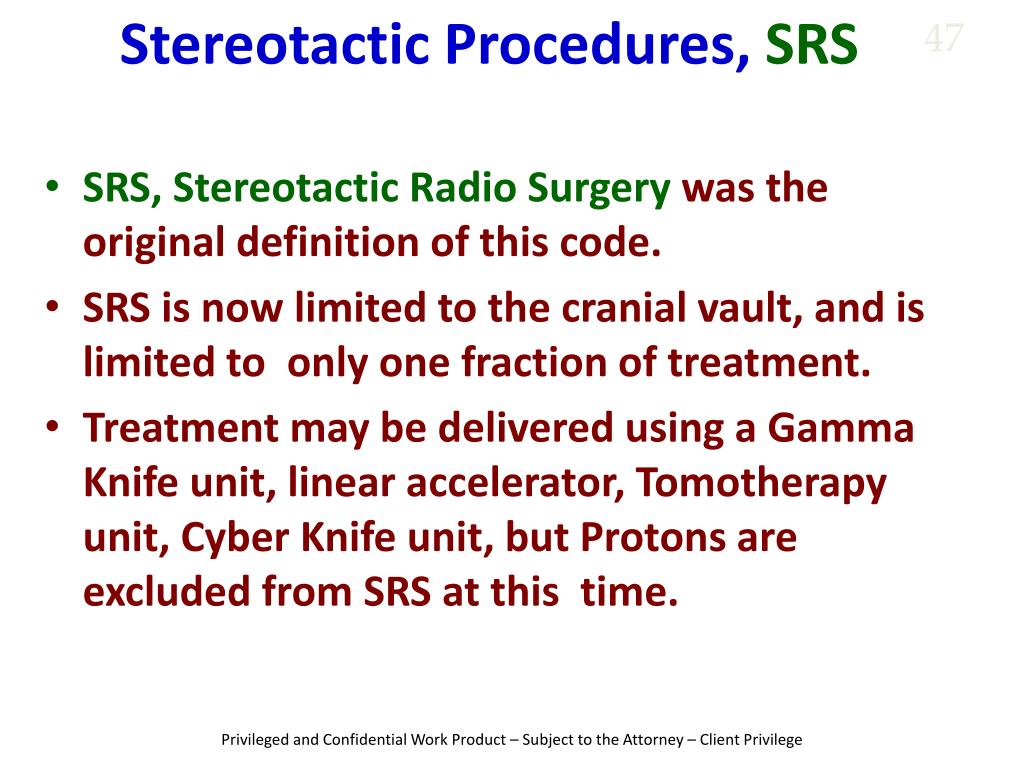
Sex Reassignment Surgery (SRS), now more widely recognized as gender-affirming surgery (GAS), represents a critical component of medical and social transitions for transgender and gender-diverse individuals. This surgical intervention aligns physical characteristics with a person’s gender identity, addressing both psychological and physiological needs. The terminology has evolved to reflect broader acceptance, with "gender-affirming surgery" emphasizing affirming care rather than medicalizing gender identity. Medical professionals now integrate SRS within a holistic framework, combining hormonal therapy, mental health support, and social affirmation to support individuals throughout their transition.
The distinction between SRS and other gender-affirming procedures lies in its invasive nature and transformative impact on primary and secondary sexual characteristics. Unlike non-surgical interventions such as hormone replacement therapy (HRT) or voice training, SRS involves irreversible anatomical changes, requiring rigorous preoperative evaluation and ethical considerations. The procedure’s evolution mirrors broader societal shifts, from early 20th-century medical experimentation to contemporary standards rooted in human rights and evidence-based medicine.
Terminology and Evolution: From SRS to Gender-Affirming Surgery
The term "Sex Reassignment Surgery" emerged in the mid-20th century, reflecting a medical approach that framed gender transition as a correction of biological discrepancies. However, this terminology carried stigmatizing undertones, implying that gender identity was a "disorder" requiring surgical intervention. In response, the medical community and LGBTQ+ advocates adopted gender-affirming surgery (GAS) as a more inclusive and accurate descriptor. This shift aligns with the World Professional Association for Transgender Health (WPATH) standards, which emphasize informed consent models and patient autonomy over pathologizing frameworks.
Key milestones in terminology and practice include: - 1979: The Harry Benjamin International Gender Dysphoria Association (HBIGDA), named after the pioneering endocrinologist, formalized standards for gender-affirming care, including surgical criteria. - 2013: The Diagnostic and Statistical Manual of Mental Disorders (DSM-5) reclassified gender dysphoria as a condition requiring clinical support rather than a mental illness, reducing barriers to care. - 2022: The American Medical Association (AMA) officially endorsed gender-affirming surgeries as medically necessary, reinforcing their role in comprehensive healthcare.
Table of Contents
- Understanding Sex Reassignment Surgery (SRS): Core Concepts and Definitions
- Terminology and Evolution: From SRS to Gender-Affirming Surgery
- Historical Overview: Milestones in SRS Development and Societal Acceptance
- Distinguishing SRS from Other Gender-Affirming Procedures
- Medical and Psychological Prerequisites for Sex Reassignment Surgery
- Diagnostic Criteria for Gender Dysphoria and Eligibility for SRS
- Mandatory Psychological Evaluations and the Role of Mental Health Professionals
- Step-by-Step Breakdown of the Pre-Surgery Process
- Types of Sex Reassignment Surgery (SRS) Procedures: Surgical Techniques and Specializations
- Feminizing Genital Surgery (FGS): Techniques and Outcomes
- Masculinizing Genital Surgery (MGS): Phalloplasty and Metoidioplasty
- Chest Surgery: Subcutaneous Mastectomy, Keyhole Mastectomy, and Free Nipple Graft
The transition from SRS to GAS reflects a paradigm shift from medical correction to affirmation of identity, prioritizing patient well-being over diagnostic labels.
Historical Overview: Milestones in SRS Development and Societal Acceptance
The history of SRS traces back to the early 20th century, marked by both medical innovation and societal resistance. Key developments include:
- 1930s–1950s: Early castration and orchiectomy procedures were performed, primarily in Europe, with limited success and high complication rates. These interventions were often experimental, lacking standardized protocols. - 1952: Dr. Christian Hamburger conducted the first successful orchiectomy (removal of testes) in Denmark, followed by estrogen therapy, marking the beginning of structured gender-affirming care. - 1960s–1970s: Dr. Georges Burou in Casablanca pioneered vaginoplasty techniques, while Dr. John Money introduced the term "gender identity disorder" in psychological frameworks. However, early surgeries were fraught with ethical concerns, including coercion and lack of informed consent. - 1979: The Harry Benjamin International Gender Dysphoria Association (HBIGDA) established the first Standards of Care (SOC), requiring psychological evaluation and real-life experience (RLE) before surgery. - 1990s: Advances in phalloplasty and metoidioplasty expanded options for transgender men, while legal recognition of gender markers began in countries like Australia (1990) and Sweden (1972). - 2000s–Present: Informed consent models (e.g., in Argentina, 2012) replaced mandatory psychological evaluations, and WPATH SOC 7 (2011) emphasized shared decision-making between patients and providers. By 2020, over 30 countries legally recognized gender transitions without surgical requirements, though access to SRS remains unequal globally.
Societal acceptance has paralleled medical progress, with landmark cases such as: - 1975: Renée Richards, a transgender woman, became the first to undergo SRS and later sue the U.S. Tennis Association for discrimination, paving the way for legal protections. - 2015: The U.S. Supreme Court’s Obergefell v. Hodges ruling extended LGBTQ+ rights, indirectly supporting gender-affirming care access. - 2023: Malta became the first country to ban conversion therapy for LGBTQ+ individuals, reinforcing protection for gender-affirming treatments.
Distinguishing SRS from Other Gender-Affirming Procedures
Gender-affirming care encompasses a spectrum of interventions, each serving distinct purposes. Below is a comparative analysis of SRS and non-surgical procedures, highlighting their goals, invasiveness, and outcomes.
"Gender-affirming surgery is not a one-size-fits-all solution; it is one tool among many in a comprehensive care plan tailored to individual needs." — World Professional Association for Transgender Health (WPATH)
Comparative Table: Gender-Affirming Procedures
| Procedure Type | Primary Goal | Invasiveness | Recovery Time | Cost Range (USD) | Reversibility | |||||||||||||||||||||
|---|---|---|---|---|---|---|---|---|---|---|---|---|---|---|---|---|---|---|---|---|---|---|---|---|---|---|
| Gender-Affirming Surgery (GAS) | Permanent alteration of primary/secondary sexual characteristics to align with gender identity (e.g., vaginoplasty, phalloplasty, mastectomy, hysterectomy). | High (major surgery) | 3–12 months (varies by procedure) | $10,000–$50,000+ (varies by region and complexity) | Mostly irreversible (reconstruction possible but with limitations) | |||||||||||||||||||||
| Hormone Replacement Therapy (HRT) | Induces secondary sex characteristics (e.g., breast development, facial hair reduction, voice deepening) through estrogen/testosterone. | Low (injections, pills, or gels) | Minimal (adjustments take months to years) | $1,000–$5,000 annually (varies by insurance coverage) | Reversible (discontinuation leads to gradual physical changes) | |||||||||||||||||||||
| Laser Hair Removal | Reduces or eliminates unwanted hair (e.g., facial hair in transgender women, chest hair in transgender men). | Low (non-invasive) | 1–2 weeks per session (multiple sessions required) | $500–$3,000 (per body area) | Partially reversible (regrowth may occur over time) | |||||||||||||||||||||
| Voice Therapy | Modifies pitch, resonance, and vocal cord tension to align with gender expression (e.g., pitch lowering for trans men, pitch raising for trans women). | None (non-surgical) | Weeks to months (consistent practice required) | $1,000–$5,000 (per course) | Reversible (skills can be unlearned) | |||||||||||||||||||||
| Social Transition | Includes name/pronoun changes, clothing, and behavioral adjustments to present in alignment with gender identity. | None (non
Medical and Psychological Prerequisites for Sex Reassignment SurgerySex reassignment surgery (SRS), now more widely recognized as gender-affirming surgery (GAS), is a life-altering procedure requiring rigorous medical and psychological evaluations to ensure patient safety, well-being, and successful outcomes. The prerequisites for SRS are designed to distinguish gender dysphoria from other mental health conditions, assess the individual’s readiness for transition, and mitigate risks associated with surgical and hormonal interventions. These criteria are rooted in diagnostic frameworks such as the DSM-5 (Diagnostic and Statistical Manual of Mental Disorders, 5th Edition) and ICD-11 (International Classification of Diseases, 11th Revision), which serve as foundational references for clinicians and legal systems worldwide. Beyond clinical assessments, the pre-surgery process involves real-life experience (RLE) requirements, hormone therapy protocols, and legal documentation, all of which vary significantly across regions. Cultural and religious influences further shape access to care, often creating disparities in eligibility and support systems. Understanding these prerequisites is essential for individuals considering SRS, as they dictate the path to medical transition and influence long-term health outcomes.Diagnostic Criteria for Gender Dysphoria and Eligibility for SRSThe DSM-5 and ICD-11 provide structured diagnostic criteria for gender dysphoria, a condition characterized by a marked incongruence between an individual’s experienced or expressed gender and their assigned sex. These criteria are critical in determining eligibility for gender-affirming interventions, including SRS. Under DSM-5, gender dysphoria is diagnosed when at least two of six specified symptoms are present for a minimum of six months, with clinically significant distress or impairment in functioning. The ICD-11 simplifies the diagnosis to "gender incongruence," requiring persistent and consistent discomfort or distress due to the assigned gender, without duration or symptom-count specifications. However, both frameworks emphasize that the diagnosis excludes individuals with intersex variations or other medical conditions affecting sex characteristics.DSM-5 Criteria for Gender Dysphoria (Key Points):The shift from gender identity disorder (GID) in DSM-IV to gender dysphoria in DSM-5 reflects a broader recognition of gender identity as a spectrum rather than a disorder. This reclassification has streamlined access to care in some regions but has also led to debates about medical gatekeeping, where psychological evaluations are perceived as barriers rather than protective measures. Clinicians must balance informed consent models (used in some countries like the U.S. and Canada) with traditional diagnostic approaches to ensure that individuals are not only dysphoric but also well-informed and prepared for the physical and social transitions ahead. Mandatory Psychological Evaluations and the Role of Mental Health ProfessionalsPsychological evaluations are a cornerstone of the pre-SRS process, serving multiple purposes: confirming the diagnosis of gender dysphoria, assessing mental health stability, and evaluating the individual’s readiness for surgical and social transition. These evaluations are typically conducted by licensed therapists, psychologists, or psychiatrists with expertise in gender identity and transgender healthcare. The process often includes:Key Objectives of Psychological Evaluations for SRS:The duration and depth of psychological evaluations vary by region. In some countries, such as Thailand or Turkey, evaluations may be brief (a few sessions) and focused on legal compliance, while in Europe or the U.S., they can span 12–24 months, including mandatory real-life experience (RLE) periods. Mental health professionals also play a crucial role in hormone therapy (HRT) management, monitoring physical and emotional responses to cross-sex hormones before surgery. For instance, testosterone therapy in transmasculine individuals may reveal how the body responds to voice deepening or facial hair growth, while estrogen therapy in transfeminine individuals can impact breast development and skin texture—factors that influence surgical planning. Step-by-Step Breakdown of the Pre-Surgery ProcessThe journey to SRS is a multi-stage process that begins with initial consultations and extends to legal and medical approvals. Each step is designed to ensure that the individual is physically, emotionally, and socially prepared for transition. Below is a structured overview of the pre-surgery pathway: 1. Initial Consultation and Referral The first step involves consulting a gender clinic, endocrinologist, or surgeon specializing in gender-affirming care. During this phase:Variations in RLE Requirements by Region:4. Hormone Therapy (HRT) Protocols and Surgical Readiness HRT is a pre-surgical prerequisite in most regions, serving to: Types of Sex Reassignment Surgery (SRS) Procedures: Surgical Techniques and SpecializationsSex Reassignment Surgery (SRS), also known as Gender Affirming Surgery (GAS), encompasses a variety of specialized procedures designed to align a person’s physical characteristics with their gender identity. Each type of surgery addresses distinct anatomical and aesthetic goals, requiring precision, expertise, and a deep understanding of both medical and psychological considerations. The procedures range from genital reconstruction to facial and chest modifications, each with unique techniques, recovery timelines, and outcomes. Below is a detailed breakdown of the primary SRS procedures, their surgical methods, target audiences, and typical results, along with insights into surgeon specialization and patient decision-making.Feminizing Genital Surgery (FGS): Techniques and OutcomesFeminizing Genital Surgery (FGS) represents one of the most complex and transformative aspects of SRS for transgender women. The primary goal is to create a vagina, vulva, and external genitalia that resemble those of a cisgender female. The most common procedures include vaginoplasty, vulvoplasty, and scrotoplasty, each employing distinct surgical techniques tailored to individual anatomy and preferences. Vaginoplasty is the cornerstone of FGS, involving the creation of a functional vaginal canal. Two primary methods dominate this procedure:The procedure follows these critical stages:Outcomes and Considerations: FGS outcomes vary based on surgical technique, surgeon expertise, and postoperative care. Most patients report high satisfaction with vaginal depth, sensation, and aesthetic results, though complications such as vaginal narrowing, scarring, or urethral strictures can occur. Intestinal vaginoplasty carries additional risks, including chronic discharge or metabolic imbalances, necessitating careful patient selection. Masculinizing Genital Surgery (MGS): Phalloplasty and MetoidioplastyMasculizing Genital Surgery (MGS) for transgender men involves the construction or enhancement of genitalia to achieve a masculine appearance and, in some cases, functional capabilities. The primary procedures include phalloplasty, metoidioplasty, and scrotal construction, each catering to different anatomical and functional goals. Phalloplasty is the most complex MGS procedure, involving the creation of a neophallus (artificial penis) using tissue flaps. Two dominant techniques exist:This multi-stage surgery includes:Outcomes and Considerations: Phalloplasty results in a functional and aesthetic phallus, though sensation varies by technique. Complications include flap necrosis, urethral strictures, or implant-related issues. Metoidioplasty offers a simpler, lower-risk option but limits phallic length and erectile function. Patient selection is critical, as not all individuals are candidates for phalloplasty due to vascular or medical contraindications. Chest Surgery: Subcutaneous Mastectomy, Keyhole Mastectomy, and Free Nipple GraftChest surgery is a common and often initial step in SRS for transgender women, aiming to remove breast tissue and create a flatter, feminized torso. Three primary techniques are employed, each with distinct advantages and recovery profiles. Comparison of Chest Surgery Techniques:
The procedure involves: |
Leave a Comment
Comments are moderated before appearing. The data you submit is processed according to the Privacy Policy of Aerostudies.