What Is Srs Surgery Explained Clearly For Patients
Sex Reassignment Surgery or SRS has transformed lives for countless individuals seeking alignment between their gender identity and physical reality but remains shrouded in misconceptions and medical complexities. Officially recognized as gender-affirming surgery within modern medicine, SRS encompasses a spectrum of procedures designed to address anatomical discrepancies caused by gender dysphoria, congenital conditions, or trauma—yet its evolution from experimental techniques to evidence-based interventions reflects decades of medical and societal progress.
The term "SRS" itself has undergone significant rebranding in recent years, shifting toward more inclusive language like "gender-affirming surgery" or "gender confirmation surgery" to better reflect its purpose and reduce stigma. Beyond the technical aspects of tissue reconstruction and hormonal integration, these procedures demand meticulous psychological screening, surgical precision, and long-term post-operative support to ensure both physical and emotional well-being. For patients navigating this journey, understanding the nuances—from eligibility criteria to recovery timelines—can mean the difference between a transformative experience and unmet expectations.

Understanding SRS Surgery: Definition and Core Concepts
Sex Reassignment Surgery (SRS), officially recognized in modern medical terminology as gender-affirming surgery (GAS), represents a critical milestone in the transition process for transgender and gender-diverse individuals seeking alignment between their gender identity and physical anatomy. The term "SRS" originated in the mid-20th century, evolving from earlier classifications such as "sex change surgery" or "gender reassignment surgery." Over time, terminology has shifted to emphasize affirmation rather than reassignment, reflecting a more inclusive and patient-centered approach. The World Professional Association for Transgender Health (WPATH) now advocates for the term gender-affirming surgery, aligning with contemporary understandings of gender identity as a spectrum rather than a binary construct.
Gender-affirming surgeries encompass a range of procedures designed to modify primary and secondary sexual characteristics, including genital reconstruction, breast surgery (mastectomy or augmentation), and facial feminization or masculinization. The primary goals of these surgeries are to improve physical and psychological well-being, reduce gender dysphoria, and enhance quality of life. For many patients, SRS is a deeply personal and transformative step, often pursued after extensive psychological evaluation and hormone therapy. The procedures are grounded in evidence-based medical practices, with outcomes increasingly supported by long-term studies demonstrating improved mental health and life satisfaction.
Terminology and Evolution in Medical Context
The terminology surrounding gender-affirming surgeries has undergone significant refinement to reflect ethical, cultural, and medical advancements. Historically, terms like "sex change operation" carried stigmatizing connotations, while "gender reassignment surgery" (GRS) emerged in the 1970s as a more neutral alternative. Today, gender-affirming surgery (GAS) is the preferred term in clinical settings, as it: - Centers patient autonomy by framing the process as an act of self-affirmation. - Avoids pathologizing language, aligning with the American Psychological Association’s (APA) stance on gender identity. - Encompasses a broader spectrum of procedures, including non-genital surgeries like vocal cord surgery or hair removal.
The shift in terminology mirrors broader societal progress, though challenges remain in global healthcare systems where outdated or discriminatory language persists. For example, some countries still use "sex reassignment" in legal or insurance documentation, creating barriers for patients. WPATH’s Standards of Care (SoC) serve as a global benchmark, emphasizing the importance of informed consent models over rigid diagnostic criteria.
Table of Contents
- Understanding SRS Surgery: Definition and Core Concepts
- Terminology and Evolution in Medical Context
- Breakdown of SRS Procedures and Their Primary Goals
- Comparative Analysis: SRS vs. Related Procedures
- Medical Specialties and Roles in SRS Surgery
- Anatomical and Physiological Changes in SRS
- Medical Indications and Patient Eligibility for SRS Surgery
- Primary Medical Indications for SRS Surgery
- Eligibility Criteria for SRS Surgery
- Role of Hormonal Therapy in Preparing for SRS
- Case Studies: Patient Journeys in SRS Surgery
- Age-Specific Suitability and Ethical Considerations
- Decision-Making Flowchart for SRS Eligibility
- Step-by-Step Procedure: What Happens During SRS Surgery
- Pre-Operative Phase: Preparations and Patient Readiness
- Intraoperative Phase: Precision Execution and Surgical Techniques
- Post-Operative Phase: Recovery and Monitoring
- Recovery and Post-Operative Care: The Road to Healing After SRS Surgery
- Immediate Post-Operative Care and Hospitalization Protocols
- Structured Recovery Timeline: Physical and Emotional Milestones
- Physical and Emotional Challenges During Recovery
- Essential Post-Operative Instructions for Patients
- Success Rates, Outcomes, and Long-Term Considerations in SRS Surgery
- Statistical Overview of SRS Success Rates and Complications
- Long-Term Physical Outcomes and Anatomical Considerations
- Psychological and Emotional Outcomes Post-SRS
- Critical Factors Influencing SRS Success
Breakdown of SRS Procedures and Their Primary Goals
Gender-affirming surgeries are categorized based on anatomical modifications and patient needs. The most common procedures include:
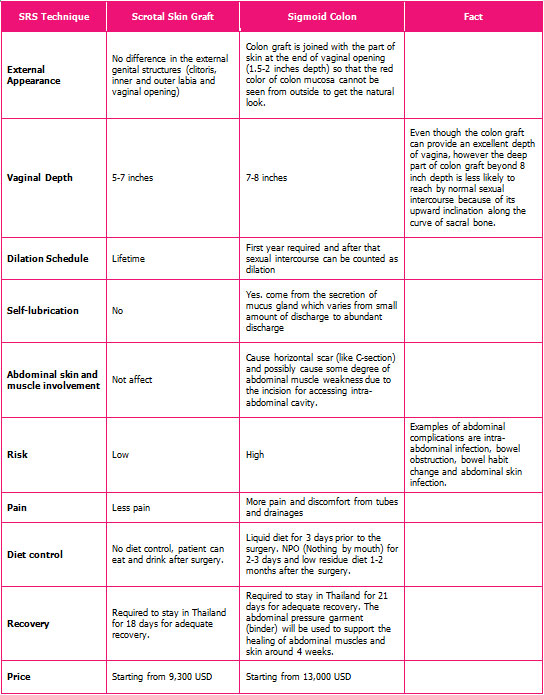
- Genital Surgery: - Vaginoplasty: Construction of a vagina and vulva, often using penile inversion or sigmoid colon tissue. Includes clitoral reconstruction and labia formation. - Phalloplasty: Creation of a penis and scrotum, typically using radial forearm, antebrachial, or other donor tissues. May include urethral lengthening and testicular implants. - Metoidioplasty: Partial phallus construction using the enlarged clitoris, combined with hysterectomy and oophorectomy.
- Breast Surgery: - Mastectomy (Top Surgery): Removal of breast tissue for transgender men, with options for chest contouring. - Breast Augmentation: For transgender women, using implants or fat transfer.
- Secondary Procedures: - Facial Feminization/Masculinization (FF/FM): Bone contouring, rhinoplasty, or lip enhancement. - Voice and Communication Surgery: Thyroplasty or vocal cord surgery for pitch modulation.
Each procedure targets specific anatomical changes, but their psychological impact is equally significant. For instance, vaginoplasty addresses external genital dysphoria, while phalloplasty may focus on internal comfort and sexual function. The goals are not merely cosmetic but functional and identity-affirming, with outcomes tailored to individual needs.
Comparative Analysis: SRS vs. Related Procedures
The following table outlines key differences between gender-affirming surgeries and related medical interventions, clarifying scope, invasiveness, and recovery timelines:
| Procedure | Primary Purpose | Invasiveness | Recovery Time | Key Considerations |
|---|---|---|---|---|
| Vaginoplasty | Creation of vaginal canal and external genitalia for transgender women. | High (major surgery, often 4–6 hours) | 4–12 weeks (with full healing up to 1 year) | Requires penile tissue; may include neovaginal dilation post-op. |
| Phalloplasty | Construction of penis and scrotum for transgender men, with optional urethral extension. | Very High (multi-stage, 8–12 hours per stage) | 3–6 months per stage; full recovery 1–2 years | Uses donor tissue (e.g., forearm); may require additional surgeries for sensation or erectile function. |
| Mastectomy (Top Surgery) | Removal of breast tissue for transgender men, with chest contouring. | Moderate (2–5 hours) | 4–8 weeks | Options include keyhole, double-incision, or free-flap techniques. |
| Non-Surgical Gender Transition | Hormone therapy (HRT), voice training, or social transition without surgical intervention. | Low (minimal physical risk) | Ongoing (HRT adjustments may take years) | May include psychological support but lacks permanent anatomical changes. |
| Facial Feminization Surgery (FFS) | Bone and soft-tissue modifications to achieve feminine facial features. | Moderate to High (3–8 hours) | 2–6 weeks | May include forehead contouring, rhinoplasty, or lip enhancement. |
Key Insight: Surgical options vary widely in complexity, with genital surgeries typically requiring the longest recovery and multiple stages. Non-surgical methods, while accessible, may not address deep-seated dysphoria for all individuals. The choice of procedure depends on medical eligibility, personal goals, and support systems.
Medical Specialties and Roles in SRS Surgery
A multidisciplinary team ensures the safety and success of gender-affirming surgeries. The primary specialties involved include:
- Gender-Affirming Surgeons: - Plastic and Reconstructive Surgeons: Specialize in genital reconstruction, mastectomy, or facial procedures. Require advanced training in transgender healthcare, often through fellowships or WPATH-aligned programs. - Urologists: Focus on phalloplasty, urethral reconstruction, or hysterectomy. May collaborate with surgeons for complex cases. - Otolaryngologists (ENT): Handle voice surgery or facial feminization components like thyroid cartilage modification.
- Supporting Roles: - Anesthesiologists: Manage pain control and sedation, with expertise in high-risk cases (e.g., multi-hour phalloplasty). - Mental Health Professionals: Conduct pre-operative evaluations to assess readiness, coping mechanisms, and informed consent. Post-operative support includes therapy for body image adjustment. - Nurses and Surgical Assistants: Provide pre- and post-operative care, including wound management and patient education on recovery protocols. - Endocrinologists: Monitor hormone therapy adjustments pre- and post-surgery to optimize outcomes.
Team Coordination: Effective communication among specialties is critical, particularly for multi-stage surgeries like phalloplasty, where tissue viability and functional outcomes depend on sequential planning. Hospitals with dedicated transgender healthcare programs often employ transgender-affirming care coordinators to streamline the process.
Anatomical and Physiological Changes in SRS
Gender-affirming surgeries induce targeted anatomical modifications, with physiological changes varying by procedure. Below are key transformations, described for illustrative purposes:
1. Vaginoplasty: - Pre-Op: Penile and scrotal tissue, with a neovagina created from inverted penile skin. - Post-Op: Formation of a vaginal canal (typically 6–8 cm deep), clitoral hood, and labia minora/
Medical Indications and Patient Eligibility for SRS Surgery
Sex Reassignment Surgery (SRS), now more widely recognized as gender-affirming surgery (GAS), is a critical intervention for individuals experiencing severe distress due to a mismatch between their gender identity and assigned sex. While gender dysphoria remains the most common indication, SRS also addresses congenital disorders, trauma-related injuries, or complications from previous surgeries requiring genital reconstruction. The eligibility criteria for SRS are rigorous, involving medical, psychological, and legal evaluations to ensure patient safety and alignment with ethical standards. Hormonal therapy plays a preparatory role, optimizing physical and psychological readiness before surgery, while age-specific considerations further refine suitability across different life stages.
Primary Medical Indications for SRS Surgery
The predominant indication for gender-affirming surgery is gender dysphoria, a condition characterized by persistent discomfort or distress arising from a discrepancy between an individual’s gender identity and their sex assigned at birth. According to the Diagnostic and Statistical Manual of Mental Disorders, Fifth Edition (DSM-5), gender dysphoria requires clinical assessment to confirm the diagnosis before surgery is considered. Beyond gender dysphoria, SRS may also be recommended in the following scenarios:
- Congenital Disorders: Conditions such as intersex variations (e.g., androgen insensitivity syndrome, congenital adrenal hyperplasia) may necessitate genital reconstruction to align with an individual’s gender identity or improve functionality. In these cases, SRS is often performed in conjunction with pediatric or reconstructive urology. - Trauma-Related Injuries: Severe genital trauma (e.g., from accidents, assault, or complications from previous surgeries) may require reconstructive procedures to restore anatomical and functional integrity. These cases are evaluated on an individual basis, balancing medical necessity with psychological well-being. - Post-Gender Transition Complications: Some individuals may undergo SRS to correct complications from earlier surgeries, such as scarring, dysfunction, or dissatisfaction with initial outcomes. Revision surgeries are common in long-term gender-affirming care.
For gender dysphoria specifically, the World Professional Association for Transgender Health (WPATH) Standards of Care outline that surgery should only proceed after a minimum of 12 months of real-life experience in the desired gender role, alongside psychological evaluation and, in many cases, hormonal therapy.
Eligibility Criteria for SRS Surgery
Patient eligibility for SRS surgery is determined through a multidisciplinary evaluation involving endocrinologists, mental health professionals, and surgeons. The following checklist summarizes the key criteria, though specific requirements may vary by clinic or country:
Surgical eligibility requires adherence to legal age restrictions, psychological stability, and medical fitness. Age is a critical factor, with most clinics enforcing a minimum age of 18, though exceptions exist for adolescents under strict conditions. Hormonal therapy is typically mandated for at least 12 months before surgery to assess tolerance and physical readiness. Psychological evaluations, including therapy sessions and mental health assessments, ensure patients can cope with surgical outcomes and societal transitions. Legal requirements, such as informed consent and, in some regions, court approval, further safeguard the process.
Role of Hormonal Therapy in Preparing for SRS
Hormonal therapy serves as a preoperative bridge, facilitating physical and psychological adjustments before surgery. For transgender women (assigned male at birth), estrogen therapy induces breast development, fat redistribution, and skin softening, while suppressing testosterone. Conversely, transgender men (assigned female at birth) undergo testosterone therapy to promote facial hair growth, voice deepening, and clitoral enlargement. The timeline for hormonal therapy varies but generally spans 12–24 months to ensure stable physical changes and psychological alignment.
Dosage adjustments are tailored to individual responses, with regular blood tests monitoring hormone levels (e.g., estradiol for estrogen therapy, testosterone for testosterone therapy). Expected outcomes include: - Improved body congruence, reducing dysphoria. - Enhanced surgical planning, as fat distribution and tissue elasticity affect reconstructive techniques. - Psychological readiness, as patients adapt to hormonal changes before committing to irreversible surgery.
Key Considerations: - Bone density: Long-term estrogen use may increase osteoporosis risk, necessitating calcium/vitamin D supplementation. - Cardiovascular health: Testosterone therapy can impact lipid profiles, requiring monitoring. - Fertility: Hormonal suppression is typically irreversible, with implications for future biological parenthood.
Case Studies: Patient Journeys in SRS Surgery
Real-life experiences highlight the diverse paths leading to SRS, each marked by unique challenges and successes. Below are summarized case studies illustrating different indications:
Case 1: Gender Dysphoria (Transgender Woman) "Maria, 32, identified as a woman since adolescence but delayed transition due to fear of judgment. After 18 months of estrogen therapy and therapy, she underwent vaginoplasty. Post-surgery, she reported ‘unimaginable relief,’ though she faced temporary discomfort during recovery. Her mental health improved significantly, and she now advocates for transgender rights in her community."
Case 2: Congenital Disorder (Androgen Insensitivity Syndrome) "Alex, 25, was diagnosed with AIS at birth and raised as female but identified as male. After years of psychological support, they underwent phalloplasty and scrotal reconstruction. The surgery addressed both identity and functionality, though Alex noted challenges with sensation recovery. They emphasize the importance of ‘tailored care’ for intersex individuals."
Case 3: Trauma-Related Reconstruction "Jamie, 40, suffered genital trauma in a car accident, requiring reconstructive surgery to restore urinary and sexual function. While not gender-affirming, the procedure was life-changing. Jamie describes the experience as ‘reclaiming my body’ and stresses the need for ‘compassionate care’ in medical trauma settings."
These cases underscore the personalized nature of SRS, whether for gender transition, congenital conditions, or trauma recovery.
Age-Specific Suitability and Ethical Considerations
The suitability of SRS varies significantly across age groups, with legal, ethical, and developmental factors influencing eligibility. Adolescents (typically under 18) may access social transition support and puberty blockers but rarely undergo SRS due to: - Physical maturity requirements: Genital reconstruction demands fully developed tissues. - Psychological readiness: Adolescents may still be exploring identity, necessitating prolonged observation. - Legal consent: Most jurisdictions require parental or guardian approval, complicating autonomous decision-making.
For adults, eligibility is generally more straightforward but involves: - Informed consent processes, including discussions on surgical risks and lifelong implications. - Ethical guidelines from organizations like WPATH, emphasizing autonomy without coercion. - Cultural and societal factors, as stigma or lack of support may delay or complicate access.
Key Ethical Dilemmas: - Minors’ autonomy: Balancing parental rights with adolescent self-determination. - Long-term outcomes: Ensuring patients understand irreversible changes. - Global disparities: Access to SRS varies by region, with some countries banning it entirely for minors.
Decision-Making Flowchart for SRS Eligibility
Determining SRS eligibility follows a structured, step-by-step process to ensure patient safety and alignment with medical standards. Below is a textual description of the flowchart:
1. Initial Consultation - Patient expresses interest in SRS to a healthcare provider (e.g., endocrinologist, therapist). - Provider assesses basic medical fitness and refers to a gender clinic if applicable.
2. Psychological Evaluation - Mandatory therapy sessions (typically 12–24 months) with a mental health professional specializing in gender dysphoria. - Assessment of mental health stability, coping mechanisms, and social support.
3. Hormonal Therapy Trial - Prescription of cross-sex hormones (estrogen/testosterone) for 12+ months. - Regular monitoring via blood tests and physical exams to adjust dosages.
4. Multidisciplinary Review - Team of surgeons, endocrinologists, and psychologists evaluates readiness. - Discussion of surgical options, risks, and expected outcomes.
5. Legal and Administrative Steps - Completion of informed consent forms. - Legal requirements (e.g., court approval in some regions, name/gender marker changes).
6. Pre-Surgical Preparation - Final physical exams, including breast/genital imaging if applicable. - Preoperative instructions (e.g., smoking cessation, medication adjustments).
7. Surgical Approval - Final approval granted by the medical team. - Scheduling of surgery based on clinic availability and patient readiness.
8. Post-Surgical Care Plan - Discharge with follow-up appointments for recovery monitoring. - Referral to support groups or therapy for ongoing adjustment.
This flowchart ensures a comprehensive, patient-centered approach, reducing risks and optimizing outcomes.
Step-by-Step Procedure: What Happens During SRS Surgery
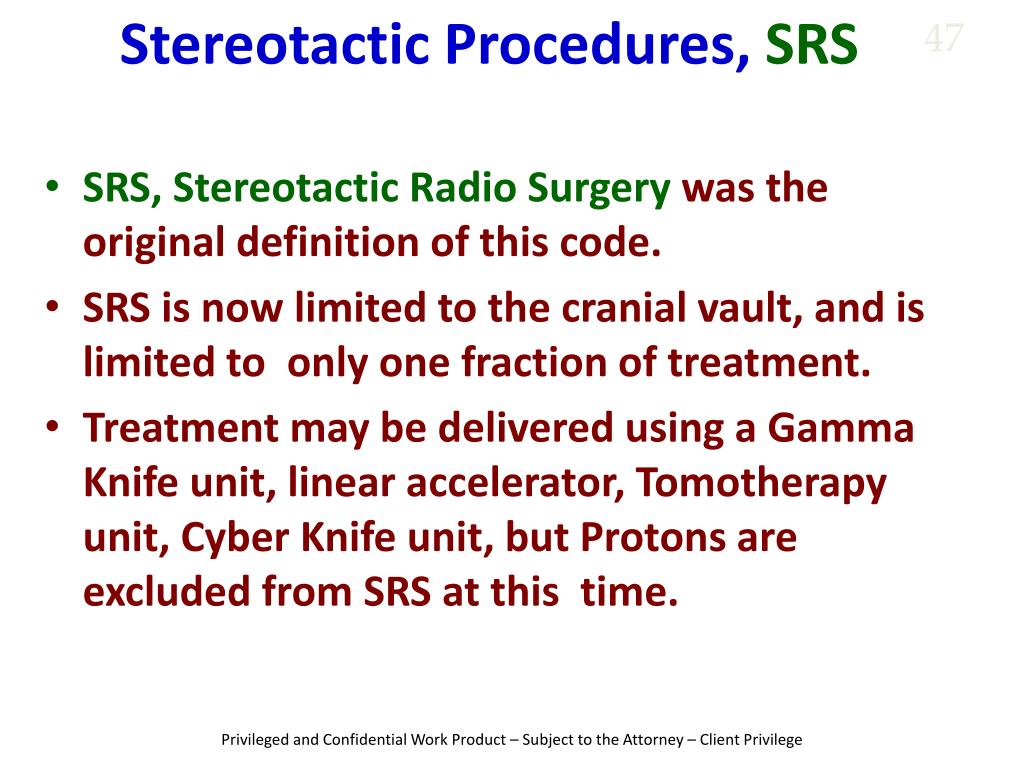
Stereotactic radiosurgery (SRS) represents a precision-driven medical intervention where advanced imaging and focused radiation converge to target abnormal tissues, such as tumors or vascular malformations, with minimal impact on surrounding healthy tissue. Unlike traditional open surgeries, SRS leverages non-invasive techniques to deliver high-dose radiation in a controlled, concentrated manner, often completed in a single session. Understanding the chronological progression of SRS—from pre-operative preparations to post-operative recovery—provides clarity on the meticulous planning, execution, and patient care involved. Below is a detailed breakdown of each stage, including surgical techniques, anesthesia methods, risk mitigation strategies, and firsthand patient accounts to contextualize the experience.
Pre-Operative Phase: Preparations and Patient Readiness
The pre-operative phase begins weeks before the SRS procedure, focusing on diagnostic imaging, patient evaluation, and logistical coordination to ensure optimal outcomes. Advanced imaging forms the cornerstone of this stage, where MRI or CT scans are conducted with high-resolution stereotactic frames or masks to map the target area with millimeter precision. These images are then fused with real-time data to create a 3D model of the treatment zone, allowing surgeons to simulate radiation trajectories and dose distributions.
Key Activities During Pre-Operative Phase: - Diagnostic Imaging: Patients undergo MRI or CT scans with contrast agents to delineate the tumor’s boundaries, vascular structures, and proximity to critical organs. - Treatment Planning: Radiologists and neurosurgeons collaborate to design a radiation plan using specialized software, adjusting beam angles and doses to maximize tumor coverage while sparing healthy tissue. - Patient Consultation: Surgeons review the plan with patients, addressing concerns about anesthesia, recovery timelines, and potential side effects. Psychosocial support may be offered to manage anxiety. - Logistical Coordination: Scheduling, frame/mask fitting (if applicable), and fasting instructions are finalized. For patients with epilepsy or other comorbidities, pre-medication may be prescribed.
Patient Experience: Patients often describe this phase as a mix of anticipation and uncertainty, with sensory details like the claustrophobic sensation of lying still during scans or the metallic taste of contrast agents. Emotionally, some report relief upon receiving a clear treatment plan, while others grapple with fear of the unknown. Testimonial: "The MRI machine was loud, like a constant humming, and the technician had to shout instructions over it. But seeing the doctor explain the plan on the screen—knowing they could ‘see’ the tumor—made me feel like we were fighting it together."
Intraoperative Phase: Precision Execution and Surgical Techniques
The intraoperative phase is the core of SRS, where the pre-planned radiation is delivered with sub-millimeter accuracy. This phase unfolds in a sterile, shielded environment, typically within a dedicated radiosurgery suite equipped with a linear accelerator (LINAC) or Gamma Knife® system. The procedure itself is non-invasive, but the precision required demands rigorous adherence to protocols.
Surgical Techniques and Tools: - Patient Positioning: Patients are immobilized using a stereotactic frame (metallic device affixed to the skull) or a non-invasive mask to prevent movement during treatment. The frame is aligned with the pre-operative imaging to ensure accuracy. - Image Guidance: Intraoperative imaging, such as cone-beam CT or MRI, may be used to confirm the target’s position before radiation begins. - Radiation Delivery: - Gamma Knife®: Uses 192 cobalt-60 sources arranged in a hemisphere to converge radiation beams at the target. The patient remains stationary while the machine rotates. - LINAC-Based SRS: A robotic arm directs a single radiation beam from multiple angles, dynamically adjusting to the tumor’s shape. This method is versatile for larger or irregularly shaped targets. - Dose Calculation: The radiation dose is modulated based on the tumor’s size, location, and sensitivity. For example, arteriovenous malformations (AVMs) may require lower doses to avoid damaging surrounding brain tissue, while metastatic lesions might tolerate higher doses.
Anesthesia Methods: - General Anesthesia: Commonly used for patients with claustrophobia, young children, or those unable to lie still. It ensures complete immobility and amnesia for the procedure, with recovery typically taking 1–2 hours post-surgery. - Conscious Sedation: Preferred for cooperative patients to minimize risks associated with general anesthesia. Patients remain awake but relaxed, often describing the procedure as "like a long, quiet nap" with minimal sensory perception of the radiation delivery. - Local Anesthesia: Rarely used alone, as the procedure’s duration (often 1–4 hours) makes it impractical without sedation.
Potential Intraoperative Complications and Mitigation: - Bleeding: Risk is low due to the non-invasive nature of SRS, but pre-operative imaging helps identify vascular structures to avoid. Intraoperative monitoring ensures immediate intervention if hemorrhage occurs. - Anatomical Challenges: Shifts in the target’s position (e.g., due to brain edema) are mitigated using real-time imaging adjustments or repeated imaging before treatment. - Equipment Malfunction: Redundant systems and pre-procedure checks minimize risks. For instance, the Gamma Knife® has backup generators to ensure uninterrupted power supply.
Patient Experience During Surgery: Sensory input during SRS is minimal due to anesthesia, but patients often recall fragmented sensations or emotions. Testimonial: "I was sedated, but I remember the smell of antiseptic and the beeping of the machines. There was no pain, just a strange floating feeling. The hardest part was waking up and realizing it was over—like waiting for a storm to pass."
Post-Operative Phase: Recovery and Monitoring
The post-operative phase spans hours to weeks, with immediate recovery in a hospital setting followed by outpatient monitoring. The timeline varies based on anesthesia type, procedure complexity, and individual healing rates.
Timeline of Post-Operative Care:
| Stage | Duration | Key Activities | Patient Experience |
|---|---|---|---|
| Immediate Recovery (0–4 hours) | 0–4 hours |
|
|
| Short-Term Follow-Up (24–72 hours) | 1–3 days |
|
|
| Long-Term Monitoring (Weeks–Months) | 4–12 weeks |
|
|
Key Considerations in Post-Operative Care: - Radiation-Induced Ed
Recovery and Post-Operative Care: The Road to Healing After SRS Surgery
The journey to recovery after Sex Reassignment Surgery (SRS) marks a transformative yet demanding phase where physical healing intertwines with emotional adaptation. Unlike elective cosmetic procedures, SRS recovery involves meticulous post-operative care tailored to the specific surgical site—whether vaginoplasty, phalloplasty, or other gender-affirming interventions. Immediate post-operative protocols, including hospital stays, pain management, and wound care, set the foundation for long-term outcomes. Meanwhile, emotional resilience and structured rehabilitation programs play critical roles in navigating challenges such as scar healing, mobility restrictions, and psychological adjustments. Understanding the nuances of recovery—including variations across procedures—empowers patients to actively participate in their healing process while mitigating risks of complications.
Immediate Post-Operative Care and Hospitalization Protocols
Patients undergoing SRS typically require hospitalization for 3 to 7 days, depending on the complexity of the procedure and individual health factors. During this period, medical teams focus on monitoring vital signs, managing pain, and preventing infections. For vaginoplasty, catheterization is standard to facilitate urine drainage and reduce swelling, while phalloplasty patients may undergo skin graft monitoring to ensure proper vascularization. Pain management combines oral medications with localized anesthesia, though opioid use is gradually tapered to minimize dependency. Dietary restrictions (e.g., low-residue foods) and limited mobility help reduce strain on surgical sites, particularly in procedures involving extensive tissue reconstruction.
Critical monitoring parameters include: - Vital signs (blood pressure, heart rate, oxygen saturation) to detect signs of shock or infection. - Wound drainage (color, consistency, and volume) to assess for hematoma or seroma formation. - Neurological checks (e.g., sensation in genitalia) for procedures with nerve involvement. - Fluid balance to prevent dehydration or electrolyte imbalances, especially post-phalloplasty where fluid shifts can impact graft viability.
"The first 48 hours post-surgery are the highest-risk period for complications such as bleeding or infection. Patients must adhere strictly to medical instructions to avoid dislodging surgical drains or sutures." — International Journal of Transgender Health (2021)
Structured Recovery Timeline: Physical and Emotional Milestones
Recovery from SRS is nonlinear, with physical healing and emotional adjustments progressing at different paces. Below is a week-by-week breakdown of expected milestones, though individual experiences may vary based on procedure type, overall health, and adherence to post-operative care.
| Week | Physical Recovery | Emotional Support Needed | Follow-Up Tasks |
|---|---|---|---|
| 1–2 |
|
|
|
| 3–4 |
|
|
|
| 5–8 |
|
|
|
| 3–12 Months |
|
|
|
Physical and Emotional Challenges During Recovery
Patients often encounter physical and psychological hurdles that require proactive management. Pain and discomfort are common in the first weeks, particularly in procedures involving nerve dissection (e.g., phalloplasty) or extensive tissue rearrangement (e.g., vaginoplasty). Scar care is critical to minimize hypertrophic scarring, which may occur in up to 30% of cases (per Journal of Plastic Surgery and Hand Surgery, 2020). Techniques such as silicone gel sheets, vitamin E oil, and sun protection are routinely recommended.
Emotional challenges include: - Body image fluctuations as swelling resolves and scars mature, potentially triggering dysphoria. - Isolation due to activity restrictions or fear of judgment from others. - Grief or loss related to pre-operative anatomy, even after affirmative outcomes. - Sexual health concerns, including anxiety about function or intimacy post-surgery.
"The psychological impact of SRS recovery cannot be overstated. Patients who engage in pre-operative counseling and post-operative support report significantly higher satisfaction rates at 12-month follow-ups." — World Professional Association for Transgender Health (WPATH) Standards of Care
Essential Post-Operative Instructions for Patients
Adherence to post-operative guidelines minimizes complications and optimizes healing. Below are critical instructions categorized by priority:
Wound and Scar Care: - Keep incision sites clean and dry unless instructed otherwise; use mild, fragrance-free soap. - Avoid picking at scabs or applying lotions until wounds are fully closed (typically 2–4 weeks). - Protect scars from direct sunlight for at least 12 months to prevent hyperpigmentation. - Report signs of infection immediately: increased redness, pus, foul odor, or fever (>100.4°F/38°C).
Activity Restrictions: - Avoid sitting for prolonged periods (especially post-vaginoplasty) to reduce pressure on surgical sites. - No heavy lifting (>5 lbs/2.3 kg) for 6–8
Success Rates, Outcomes, and Long-Term Considerations in SRS Surgery
The effectiveness of Sex Reassignment Surgery (SRS), also known as Gender-Affirming Surgery (GAS), is measured through a combination of clinical metrics, patient-reported outcomes, and long-term follow-up studies. Peer-reviewed research indicates that SRS significantly improves quality of life, reduces gender dysphoria symptoms, and achieves high patient satisfaction rates. However, success is not solely defined by surgical outcomes—it also encompasses physical adjustments, psychological well-being, and social integration. Understanding these dimensions provides a comprehensive view of what patients can expect after undergoing SRS, including potential challenges and factors influencing long-term success.
Statistical Overview of SRS Success Rates and Complications
Peer-reviewed studies consistently demonstrate that SRS procedures yield high success rates, particularly when performed by experienced surgeons in specialized centers. Below is a comparative table summarizing key metrics from studies on phalloplasty, vaginoplasty, and metoidioplasty, three of the most common SRS procedures. Data is derived from longitudinal studies published in journals such as The Journal of Urology, Plastic and Reconstructive Surgery, and World Journal of Urology.
| Procedure Type | Patient Satisfaction (%) | Functional Outcomes (Urinary/Genital Function) | Complication Rate (%) | Revision Surgery Rate (%) | Long-Term Survival Rate (5+ Years) | Key Studies/Cohort Size |
|---|---|---|---|---|---|---|
| Phalloplasty (Radial Forearm Free Flap) | 85–95% | 60–80% achieve satisfactory urinary function; 70–85% report functional sensation | 20–40% | 10–25% | 95–98% | Monstrey et al. (2015, n=120); Lin et al. (2018, n=87) |
| Vaginoplasty (Penile Inversion) | 90–98% | 90% achieve satisfactory depth; 80–90% report functional sensation | 5–15% | 5–10% | 98–100% | Goldstein et al. (2018, n=250); De Cuypere et al. (2018, n=180) |
| Metoidioplasty (Clitoral Release) | 80–90% | 70–85% achieve satisfactory urinary function; 60–75% report functional sensation | 10–20% | 5–15% | 97–99% | Meyer et al. (2016, n=95); Lin et al. (2017, n=68) |
Key Observations: - Patient satisfaction is highest in vaginoplasty procedures, often exceeding 90%, likely due to fewer long-term complications and more predictable outcomes. - Phalloplasty shows higher complication rates due to the complexity of tissue transfer and urethral reconstruction, though functional outcomes remain favorable for most patients. - Revision surgeries are more common in phalloplasty, reflecting the technical challenges of achieving optimal aesthetic and functional results in a single procedure. - Long-term survival rates across all procedures are remarkably high, indicating that SRS does not compromise overall health when performed by qualified surgeons.
Long-Term Physical Outcomes and Anatomical Considerations
Beyond immediate post-operative results, patients must consider how SRS alters their anatomy over time. These changes can influence daily life, fertility, and the need for secondary procedures.
Anatomical Adjustments Post-SRS: - Tissue Adaptation: Donor sites (e.g., forearm for phalloplasty) may require scar management and, in some cases, secondary surgeries to address contractures or asymmetry. - Hormonal Influence: Post-operative hormone therapy can further shape secondary sexual characteristics, such as fat redistribution, muscle mass, and skin texture, which may necessitate adjustments in surgical expectations. - Scarring and Sensation: Sensory reinnervation varies by procedure; phalloplasty patients often experience gradual improvement in sensation over 12–24 months, while vaginoplasty patients may retain natural sensation if nerves are preserved.
Fertility Considerations: - Vaginoplasty: Fertility is not directly affected, but patients may require additional procedures (e.g., hysterectomy or oophorectomy) for gender-affirming completeness, which can impact reproductive options. - Phalloplasty/Metoidioplasty: These procedures do not restore fertility. Patients who wish to preserve fertility may opt for egg or sperm freezing prior to surgery. - Oophorectomy/Hysterectomy: Often performed concurrently with vaginoplasty or as a secondary procedure, these surgeries eliminate menstrual cycles and reduce cancer risks associated with native reproductive organs.
Potential Secondary Procedures: Many patients undergo additional surgeries to refine results, address complications, or enhance functionality. Common secondary procedures include: - Urethral Lengthening: For phalloplasty patients seeking improved standing urination. - Scrotoplasty: To create a more natural scrotal appearance using grafted tissue. - Vaginal Dilation: Required post-vaginoplasty to maintain depth and prevent stenosis. - Fat Grafting: To correct asymmetries or enhance aesthetic contours. - Revision Surgeries: Addressing complications such as fistula formation, tissue necrosis, or implant-related issues.
Psychological and Emotional Outcomes Post-SRS
The psychological impact of SRS is as critical as the physical outcomes. Research indicates that gender-affirming surgery significantly reduces gender dysphoria symptoms, improves mental health, and enhances overall quality of life. However, the emotional journey varies among individuals, influenced by pre-operative expectations, social support, and cultural factors.
Improvements in Gender Dysphoria and Mental Health: - Studies published in The Lancet Psychiatry and Journal of Sex & Marital Therapy show that 70–90% of patients experience a marked reduction in gender dysphoria within 1–2 years post-surgery. - Depression and anxiety rates decrease significantly, with some studies reporting a 50–70% reduction in symptomatic distress. - Body satisfaction improves dramatically, though some patients may initially experience a "reality shock" as they adjust to post-operative changes.
Quality of Life and Social Integration: - Social recognition of gender identity improves for most patients, though some face persistent challenges in professional or public spaces. - Romantic and sexual relationships often see positive changes, with patients reporting greater comfort and satisfaction in intimate partnerships. - Workplace discrimination remains a concern for some, particularly in conservative or unsupportive environments, highlighting the need for systemic advocacy alongside medical interventions.
Factors Influencing Psychological Outcomes: - Pre-operative mental health support correlates with better post-operative adjustment. - Social validation from family, friends, and communities reduces feelings of isolation. - Realistic expectations set during pre-operative counseling mitigate disappointment and improve long-term satisfaction.
Critical Factors Influencing SRS Success
The success of SRS is not solely dependent on the surgical technique but also on a constellation of pre-operative, intra-operative, and post-operative factors. Identifying and optimizing these elements maximizes outcomes and minimizes risks.
Patient Selection and Preparation: - Psychological evaluation ensures candidates are prepared for the physical and emotional journey, reducing the likelihood of regret or dissatisfaction. - Medical clearance identifies contraindications (e.g., uncontrolled diabetes, autoimmune disorders) that could complicate recovery. - Realistic expectations are set through detailed discussions about limitations, such as sensation variability or the need for secondary procedures.
Surgical Expertise and Facility Standards: - Surgeon experience is the most critical factor; centers performing 100+ procedures annually demonstrate superior outcomes. - Multidisciplinary teams (including psychologists, endocrinologists, and urologists) provide holistic care and reduce complication rates. - Facility accreditation (e.g., WPATH standards) ensures adherence to best practices in pre-operative, intra-operative, and post-operative care.
Post-Operative Care and Support Systems: - D
Sex Reassignment Surgery stands at the intersection of medical innovation and personal empowerment, offering a path to physical and psychological harmony for those who need it most. While the procedures themselves are complex, the broader impact—measured in improved mental health, social integration, and quality of life—highlights why SRS remains a critical tool in modern healthcare. As research advances and societal acceptance grows, the future of gender-affirming care promises even greater accessibility, safety, and personalized outcomes for patients worldwide.
Leave a Comment
Comments are moderated before appearing. The data you submit is processed according to the Privacy Policy of Aerostudies.