I Know What Did Last Summer Unveils Decades of Horror Legacy
Thirty years after its chilling debut, I Know What You Did Last Summer remains a defining chapter in horror cinema, a film that didn’t just revive the slasher genre but redefined it. Released in 1997 at the tail end of a decade dominated by teen angst and moral ambiguity, the movie fused guilt-driven suspense with the raw energy of coming-of-age drama, creating a blueprint for modern horror. Its premise—four friends haunted by a murder they can’t escape—tapped into the collective fear of the '90s: the idea that no secret stays buried forever, and consequences always catch up.
The film’s impact extends far beyond its $101 million box office haul, influencing everything from Scream’s meta-horror to Happy Death Day’s cyclical revenge plots. Directors like Jim Gillespie and stars like Jennifer Love Hewitt have since reflected on how the movie’s low-budget constraints birthed its most iconic moments, from the eerie "Don’t Speak" soundtrack to the unforgettable hitchhiker’s masked menace. Yet, its legacy isn’t just cinematic—it’s cultural, embedding itself in memes, TikTok trends, and the collective unconscious of a generation that grew up fearing their own shadows. What makes I Know What You Did Last Summer endure isn’t just its scares, but its unflinching portrayal of guilt, a theme that resonates just as powerfully today as it did in 1997.

The Cultural Impact of I Know What You Did Last Summer (1997) and Its Legacy

The late 1990s marked a pivotal moment for horror cinema, as I Know What You Did Last Summer (1997) emerged as a defining force in the revival of the slasher genre. Directed by Jim Gillespie and produced by New Line Cinema, the film blended teen drama with psychological horror, introducing a new wave of guilt-driven narratives that would influence horror storytelling for decades. Its success not only revitalized the slasher subgenre but also set a template for merging coming-of-age themes with supernatural terror, creating a blueprint for films like Scream (1996) and Happy Death Day (2017). The film’s cultural footprint extended beyond the box office, embedding itself in pop culture through merchandising, soundtracks, and memetic references that kept its legacy alive across generations.
Reviving the Slasher Genre with Teen Drama and Psychological Guilt
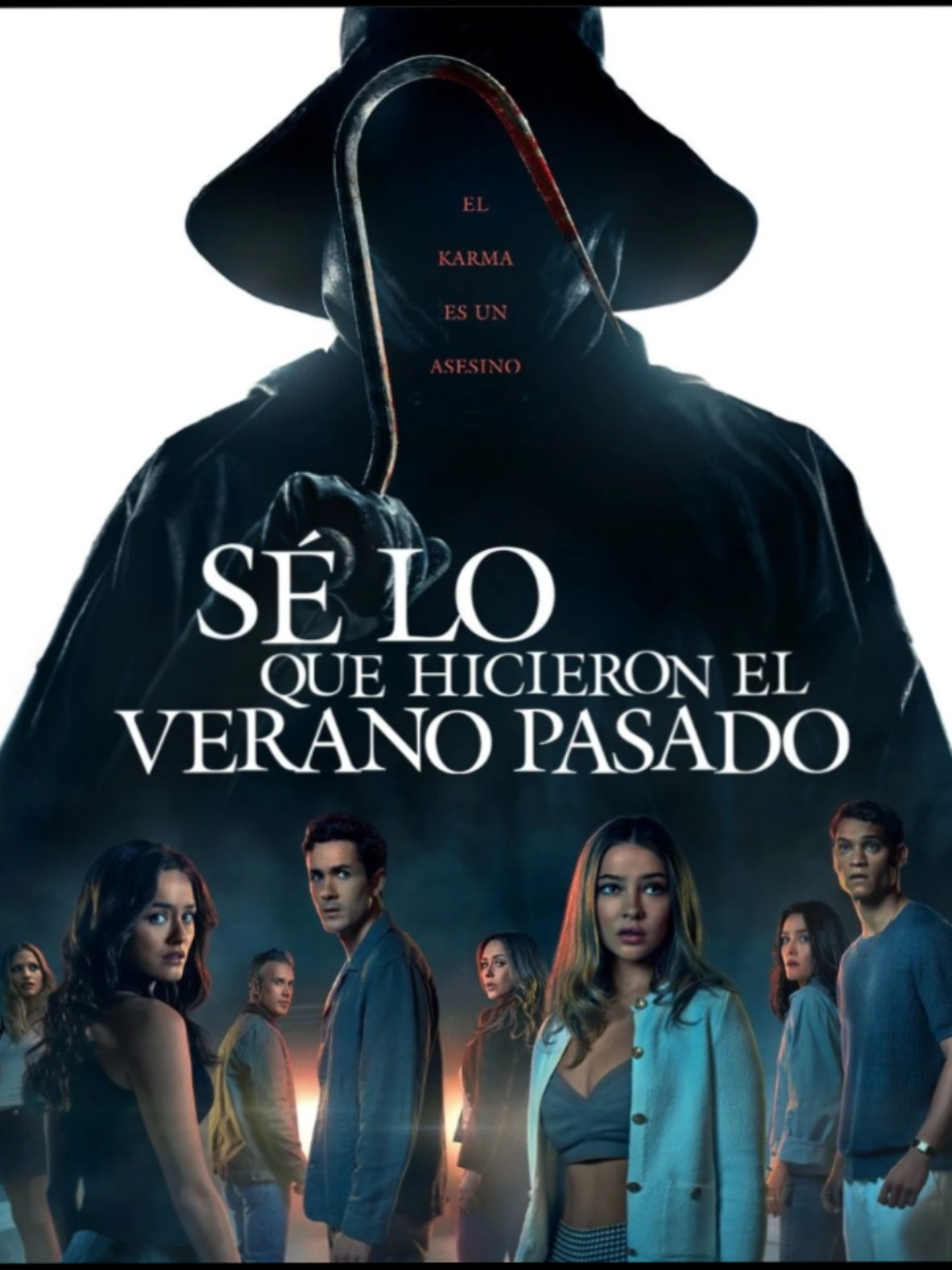
I Know What You Did Last Summer arrived at a time when the slasher genre was perceived as stagnant, overshadowed by the dominance of supernatural horror like The Exorcist (1973) and Poltergeist (1982). The film’s premise—four high school friends haunted by a vengeful spirit after accidentally killing a man—merged the tropes of teen angst with horror, creating a fresh narrative that resonated with Gen X and early Millennial audiences. Unlike traditional slashers focused on relentless kills, this film emphasized moral consequences and psychological torment, a shift that reflected the cultural anxiety of the late '90s, where themes of recklessness and its repercussions were increasingly relevant.
The film’s success can be attributed to its dual-layered storytelling: the supernatural mystery of the hook-handed killer and the characters’ internal struggles with guilt. This approach distinguished it from earlier slashers like Halloween (1978) or Friday the 13th (1980), which prioritized suspense over character development. Jim Gillespie, the director, emphasized this balance in interviews, stating:
"We wanted to make a horror movie that felt like a teen drama first. The scares were important, but the emotional core—the guilt, the fear of being found out—was what made it real for audiences."
Jennifer Love Hewitt, who played the lead character Julie James, later reflected on the film’s tone:
Table of Contents
- The Cultural Impact of I Know What You Did Last Summer (1997) and Its Legacy
- Reviving the Slasher Genre with Teen Drama and Psychological Guilt
- Chronological Influence on Horror Franchises and Modern Tropes
- Merchandising, Pop Culture, and the Film’s Enduring Appeal
- The Soundtrack’s Role in Defining '90s Behind-the-Scenes Secrets: Filming Locations, Hidden Easter Eggs, and Production Challenges I Know What You Did Last Summer (1997) thrived on its ability to blend atmospheric tension with visceral horror, but its most compelling elements often lay off-screen. The film’s production was a mix of resourcefulness, improvisation, and calculated risks—fueled by a modest budget that demanded creativity from the cast and crew. From the treacherous waters of Blackwater Creek to the eerie isolation of South Carolina’s backroads, every location and stunt carried weight, shaping the film’s raw, unpolished aesthetic. Meanwhile, hidden details embedded in the script, practical effects that predated CGI dominance, and a marketing campaign that played on collective paranoia further cemented its cult status. The challenges faced during filming not only tested the limits of the production team but also contributed to the film’s enduring mystique, proving that horror’s most terrifying moments often begin with a single, well-placed decision. Geographic Table of Key Filming Locations and Their Legacy
- Step-by-Step Breakdown of the Most Dangerous and Logistically Challenging Scenes
- Hidden Easter Eggs and Continuity Errors That Fascinate Fans
- Character Deep Dives: The Dynamics of Julie, Barry, Helen, and Ray in I Know What You Did Last Summer
- Psychological Flaws and Their Role in Character Downfalls
- Comparison Table: Character Traits, Arcs, and Symbolism
- Fan Theories on Unresolved Backstories
- Subversion of Expectations: The Ending’s Implications for Each Character
- Evolution of Relationship Dynamics Through Key Scenes
- The Role of Ray as the "Fourth Wheel": Comic Relief vs. Red Herring
- The Horror of Guilt: Moral Consequences and Psychological Torment in I Know What You Did Last Summer
- Societal Anxieties of the 1990s: Fear of Authority and Moral Relativism
- Real-Life Inspirations: Urban Legends and True-Crime Parallels
- Comparative Analysis: Guilt-Driven Horror in I Know What You Did Last Summer vs. Classic Slashers
- Nature as a Metaphor for Internal Turmoil
- The Hitchhiker as Manifestation of Collective Guilt
"It wasn’t just about jumping out of the shadows. It was about the characters’ fear of their own secrets. That’s what made it stick with people."
This focus on internal conflict became a hallmark of '90s horror, influencing later films like Urban Legend (1998) and The Craft (1996), which also explored teen rebellion and its supernatural consequences.
Chronological Influence on Horror Franchises and Modern Tropes
The legacy of I Know What You Did Last Summer can be traced through its direct and indirect influence on subsequent horror films, particularly those blending teen drama with supernatural elements. Below is a timeline table illustrating its impact over the decades, highlighting key events, cultural context, and reception:
| Year | Event | Cultural Context | Box Office/Reception |
|---|---|---|---|
| 1997 | I Know What You Did Last Summer released | Post-Scream era; audiences hungry for fresh horror with teen appeal. The film’s marketing emphasized mystery and guilt over gore. | $103.7 million worldwide; praised for its originality and soundtrack. |
| 1998 | Urban Legend and The Faculty released | Horror films continued to explore teen settings, with Urban Legend adopting a similar "urban myth" premise. | Urban Legend: $51.2 million; The Faculty: $50.8 million. Both films cited I Know What You Did Last Summer as inspiration for blending horror with schoolyard drama. |
| 2000 | I Know What You Did Last Summer (2000) sequel released | Sequel mania in Hollywood; audiences expected a darker, more mature follow-up, though reception was mixed. | $72.9 million; criticized for toning down the original’s psychological depth. |
| 2006 | I Know What You Did Last Summer (2006) remake released | Remake trend in Hollywood; the film aimed to modernize the story with a more supernatural focus. | $84.7 million; generally panned for deviating from the original’s themes. |
| 2014 | Happy Death Day released, reviving the "death loop" trope | Horror-comedies gained traction; Happy Death Day borrowed the guilt-driven premise but framed it as a comedy. | $20.3 million; cult following grew due to its meta-horror approach. |
| 2017 | I Know What You Did Last Summer (2017) reboot released | Streaming platforms and social media revived interest in '90s horror; the reboot leaned into nostalgia and meme culture. | $10.5 million (limited release); praised for its faithfulness to the original’s tone but criticized for slow pacing. |
| 2020s | TikTok and meme culture revive the franchise | Short-form video platforms resurrect forgotten '90s horror; clips from the film go viral for its quotable lines and iconic scenes. | No box office data; viral engagement spikes during Halloween seasons. |
The film’s guilt-driven horror trope became a template for later works, including The Ring (2002), which also centered on characters haunted by past actions. Additionally, the "death loop" concept—where characters relive a traumatic event—was popularized by Happy Death Day (2017) and its sequel, Happy Death Day 2U (2019). Freddie Prinze Jr., who played the character Barry, noted in retrospect:
"The idea that your mistakes could literally haunt you—that was something audiences hadn’t seen before. It made the horror feel personal."
Merchandising, Pop Culture, and the Film’s Enduring Appeal
Beyond its box office success, I Know What You Did Last Summer became a cultural phenomenon through merchandising, soundtracks, and internet memes. The film’s VHS and DVD covers became iconic, often featuring the hook-handed killer lurking in the shadows—a design that became synonymous with '90s horror marketing. New Line Cinema capitalized on this with limited-edition VHS tapes, including a "bloody" version with altered covers, which became collector’s items.
The film’s soundtrack, featuring tracks like No Doubt’s "Don’t Speak" and The Cardigans’ "Your New Cuckoo", became inseparable from its identity. The use of music wasn’t just for atmosphere but to enhance the emotional weight of scenes, particularly in moments of guilt or confrontation. "Don’t Speak" was used during Julie’s internal monologue, reinforcing her isolation and regret. This integration of music into horror storytelling influenced later films like The Craft and Scream, where soundtracks played a crucial role in setting tone.
In the digital age, the film’s meme culture has ensured its longevity. Scenes like the "Who’s there?" hallway confrontation and the "You’re gonna die" line have been repurposed in TikTok trends, often edited with modern humor. The 2017 reboot’s release coincided with a resurgence of '90s horror nostalgia, with fans creating fan edits and tribute content that kept the franchise relevant. Even the film’s iconic props, such as the hook-handed killer’s glove and the "I Know What You Did Last Summer" logo, have been referenced in other media, including South Park and Family Guy.
The Soundtrack’s Role in Defining '90s
Behind-the-Scenes Secrets: Filming Locations, Hidden Easter Eggs, and Production Challenges
I Know What You Did Last Summer (1997) thrived on its ability to blend atmospheric tension with visceral horror, but its most compelling elements often lay off-screen. The film’s production was a mix of resourcefulness, improvisation, and calculated risks—fueled by a modest budget that demanded creativity from the cast and crew. From the treacherous waters of Blackwater Creek to the eerie isolation of South Carolina’s backroads, every location and stunt carried weight, shaping the film’s raw, unpolished aesthetic. Meanwhile, hidden details embedded in the script, practical effects that predated CGI dominance, and a marketing campaign that played on collective paranoia further cemented its cult status. The challenges faced during filming not only tested the limits of the production team but also contributed to the film’s enduring mystique, proving that horror’s most terrifying moments often begin with a single, well-placed decision.
Geographic Table of Key Filming Locations and Their Legacy
The film’s authenticity stemmed largely from its reliance on real-world locations, many of which remain iconic among horror fans. Below is a breakdown of the primary filming sites, their roles in the narrative, and their current status, illustrating how Last Summer transformed mundane landscapes into haunting backdrops.
| Location | Scene Filmed | Fun Fact | Current Status |
|---|---|---|---|
| Blackwater Creek, South Carolina | Opening drowning scene (Julie’s accident) | The creek’s murky waters and overgrown banks were chosen for their natural eeriness, with no CGI enhancements—just real mud and debris. | Now a private property with restricted access; the exact spot is overgrown but occasionally visited by fans. |
| Wadboo Road Bridge, Pawleys Island, SC | Boat crash and Ben’s fatal hitchhiker encounter | The bridge’s rusted metal and dim lighting were enhanced with practical effects, including a real, wrecked boat (a 1970s Chris-Craft) sunk in shallow water. | Still standing but heavily weathered; local legends claim the area is haunted by the film’s characters. |
| Pawleys Island Lighthouse, SC | Julie’s hallucination of the hitchhiker (flashback scene) | The lighthouse’s foghorn was used to create an unsettling auditory effect, layered with distorted screams in post-production. | Operational as a museum; the exterior remains recognizable to fans. |
| Old Barn on Mossy Creek Road, near Aynor, SC | Barn fire and Helen’s death | The barn was intentionally set ablaze using real propane tanks and pyrotechnics, with crew members on standby to control the flames. | Demolished in the 2000s; the land is now farmland, but the road’s layout is unchanged. |
| Myrtle Beach State Park, SC | Beach scenes (Julie and Ray’s initial meeting) | Filming took place at dawn to avoid crowds and capture the misty, desolate atmosphere. The crew used local extras to maintain authenticity. | Still a public park; the specific beach area is less crowded due to the film’s notoriety. |
| Old Highway 17, near Conway, SC | Final confrontation (shark attack) | The highway’s narrow, winding path was used to create tension during the chase. The shark was a practical animatronic, not CGI. | Repaved but retains its rural character; the exact turn where the attack occurs is marked by a small roadside memorial. |
Step-by-Step Breakdown of the Most Dangerous and Logistically Challenging Scenes
The film’s most memorable moments were also its most perilous to execute, requiring a combination of stunt expertise, improvisation, and sheer luck. Below is a scene-by-scene analysis of how the production team navigated these challenges, often with limited resources and high stakes. The Boat Crash and Hitchhiker’s Death The sequence where Ben’s boat collides with a tree and the hitchhiker (played by actor Ryan Phillippe in an uncredited role) is dragged underwater was shot in two phases over three days due to weather delays. The boat, a 22-foot Chris-Craft, was deliberately sunk in Blackwater Creek using a hydraulic lift, with the crew anchoring it upside-down in shallow water. For the drowning scene, Phillippe wore a weighted vest and was submerged by a stunt double while a camera operator filmed from a hidden position on shore. The most dangerous moment occurred during the boat’s "impact" with the tree—a fake limb was rigged to swing into the boat’s path, but the force of the collision caused the boat to list unpredictably. Stunt coordinator Gary Graham later revealed that the crew had to quickly adjust the rigging mid-take to prevent the boat from capsizing entirely. The Barn Fire and Helen’s Death The barn fire was one of the most physically demanding scenes, requiring precise timing to ensure safety. The barn was constructed using real wood and filled with propane tanks hidden beneath the floorboards. To create the illusion of flames consuming the structure, pyrotechnicians used a controlled burn technique, igniting the propane while the cast stood at a safe distance. For Helen’s death, actress Sarah Michelle Gellar was positioned on a platform rigged to collapse into the fire below. The platform was released manually, but the heat and smoke made visibility near-zero, forcing the stunt team to rely on radio cues. Gellar later admitted she could hear the flames crackling as she fell, adding to the scene’s authenticity. The fire spread faster than expected, requiring additional firefighting equipment on standby. The Shark Attack The film’s climax features a shark attack that predates Jaws by decades in its practical effects approach. The shark was a 20-foot animatronic model operated by a team of three puppeteers, with its movements controlled via hydraulic arms. Filming took place on a soundstage in Wilmington, North Carolina, where the road was recreated using a forced perspective set. The most challenging aspect was synchronizing the shark’s movements with the actors’ reactions, which were often improvised. For the scene where the shark lunges at Julie (Jennifer Love Hewitt), the animatronic’s jaw was rigged to snap shut with a hydraulic press, creating a visceral "crunch" sound that was later enhanced in post-production. The crew had to film multiple takes due to the shark’s unpredictable movements, with director Jim Gillespie later praising the puppeteers’ ability to adapt mid-shoot.Hidden Easter Eggs and Continuity Errors That Fascinate Fans
I Know What You Did Last Summer is littered with subtle details that reward repeat viewings, from intentional Easter eggs to unintended continuity errors that have sparked decades of fan debate. These elements add layers of intrigue, inviting audiences to dissect the film for clues and inconsistencies that might hold deeper meaning—or simply reflect the production’s improvisational nature. 1. The License Plate on the Hitchhiker’s Car In the flashback scene where Helen picks up the hitchhiker (later revealed to be Ben), the license plate on his car reads "574 JKL." This number is echoed in the final scene when Julie’s car license plate reads "574 JKL"—a deliberate callback that ties the hitchhiker’s fate to Julie’s guilt. The choice was intentional, as screenwriter Kevin Williamson wanted to create a sense of cyclical justice, but the crew later joked that the plate was chosen at random and only gained significance in hindsight. 2. The Missing Shoe During the barn fire scene, Helen is seen wearing flip-flops while running through the woods. When she later changes into boots, one of her flip-flops is nowhere to be found. This oversight was never addressed in the film, leading to fan theories that the shoe symbolizes her lost innocence or was "taken" by the supernatural force haunting the group. In reality, the shoe was simply left behind during a reshoot, and the continuity error was never corrected for fear of drawing attention to the scene’s practical effects. 3. The Newspaper Headline In the diner scene, a newspaper headline reads "LOCAL BOAT CRASH KILLS TWO," which seems to foreshadow the hitchhiker’s death. However, the newspaper’s date isCharacter Deep Dives: The Dynamics of Julie, Barry, Helen, and Ray in I Know What You Did Last Summer
The psychological depth and moral ambiguity of the four central characters in I Know What You Did Last Summer (1997) elevate the film beyond its slasher tropes, transforming it into a dark character study. Each protagonist embodies a distinct flaw that drives their actions, while their interconnected relationships create a web of guilt, fear, and desperation. The film’s genius lies in its ability to humanize these characters, making their downfalls feel inevitable yet tragic. By dissecting their motivations, arcs, and symbolic roles, this analysis reveals how their individual psychologies collide to create one of horror’s most compelling ensemble dynamics.Psychological Flaws and Their Role in Character Downfalls
The characters’ fatal flaws serve as the catalyst for their moral unraveling, each reacting to trauma in ways that isolate them further from redemption. Julie James’s recklessness stems from a combination of youthful invincibility and the thrill of breaking rules, a trait that escalates after the drowning of Paul Brenner. Her refusal to confront the consequences—symbolized by her initial denial and later defiance—mirrors the classic teen trope of "it can’t happen to me," but with deadly stakes. Barry Cox’s guilt over his brother’s death manifests as a paralyzing need for control, leading him to manipulate events to avoid blame. His rigid moral code curdles into obsession, as seen in his fixation on the killer’s identity and his willingness to sacrifice others to protect himself. Helen Shivers’s passive-aggressive nature and repressed emotions stem from her unresolved grief over Paul, which she channels into manipulative behavior, particularly in her relationship with Ray. Meanwhile, Ray’s superficiality and lack of empathy mask a deep-seated fear of vulnerability, making him the most unpredictable of the group—a walking red herring whose actions often stem from impulsivity rather than malice.Comparison Table: Character Traits, Arcs, and Symbolism
The following table synthesizes the core attributes of each character, their narrative evolution, and their symbolic significance within the film’s themes of guilt and consequence.| Character | Key Trait | Arc Development | Symbolism |
|---|---|---|---|
| Julie James | Recklessness with a veneer of moral superiority | Arc from defiant denial to reluctant acceptance of guilt, culminating in survival as a paradoxical "punishment" for her sins | Represents the illusion of control in the face of fate; her survival challenges the audience’s expectations of justice |
| Barry Cox | Obsessive guilt and need for control | Arc from passive guilt to active manipulation, peaking in his attempt to frame Helen before his own demise | Embodiment of toxic masculinity and the dangers of unchecked moral rigidity; his downfall reflects the cost of self-righteousness |
| Helen Shivers | Passive-aggressive resentment and emotional repression | Arc from suppressed anger to outright vengeance, particularly in her cat-and-mouse game with Julie and Ray | Symbolizes the destructive potential of unresolved trauma; her actions expose the fragility of her relationships |
| Ray Bronson | Superficial charm masking emotional detachment | Arc from comic relief to unintentional instigator of chaos, ultimately serving as the film’s wild card | Represents the red herring trope literalized; his lack of depth highlights the group’s collective moral bankruptcy |
Fan Theories on Unresolved Backstories
The film’s ambiguous ending and sparse exposition have fueled decades of fan speculation about the characters’ pasts, particularly regarding Helen and Ray’s relationship and Barry’s dynamic with his brother. One prevalent theory suggests that Helen and Ray’s history extends beyond the film’s narrative, proposing that their flirtation in the opening scenes hints at a prior romantic or sexual encounter. Fans point to Ray’s familiarity with Helen’s emotional triggers—such as his taunting her about Paul—as evidence of a deeper connection. Another theory posits that Barry’s guilt over Paul’s death is exacerbated by unresolved sibling rivalry, with some interpreting Paul’s drowning as a subconscious or even deliberate act by Barry, given his controlling nature. Additionally, the film’s sequel, I Still Know What You Did Last Summer (1998), retroactively frames Helen as the killer, but original fans argue that her actions in the first film—particularly her manipulation of Ray—lay the groundwork for this twist. These theories underscore the film’s reliance on psychological realism, where motivations are implied rather than explicit.Subversion of Expectations: The Ending’s Implications for Each Character
The film’s ending defies conventional slasher tropes by allowing Julie to survive, a choice that forces audiences to confront the moral ambiguity of her character. Julie’s survival can be interpreted as a subversion of the "just desserts" trope, where victims are punished for their sins. Instead, her escape suggests that guilt is not always met with immediate retribution, leaving her fate open-ended. Barry’s death, however, adheres to the expectation of poetic justice: his manipulative nature and obsession with control lead to his downfall when he becomes the killer’s next target. Helen’s ambiguous fate—implied to be alive but traumatized—challenges the audience’s assumptions about her agency, as her survival feels like a hollow victory given her complicity in the events. Ray’s death, while seemingly random, serves as a darkly comic resolution to his role as the film’s chaotic neutral party. His lack of depth makes his demise feel inevitable, reinforcing his function as comic relief turned red herring.Evolution of Relationship Dynamics Through Key Scenes
The film’s tension is largely derived from the shifting power dynamics between the characters, particularly the fracturing of Julie and Barry’s friendship and the simmering hostility between Helen and Ray. Below are screenplay-style descriptions of pivotal scenes that illustrate these evolutions: Scene 1: The Boat Accident (Opening) EXT. LAKE – NIGHT JULIE and BARRY argue over the boat’s speed as RAY and HELEN laugh in the back. A sudden wave capsizes the boat. PAUL, struggling in the water, is ignored as the group panics. Barry eventually pulls Paul aboard, but the damage is done—Julie’s recklessness and Barry’s hesitation create the first crack in their bond. Scene 2: The Campfire Confession EXT. CABIN – NIGHT JULIE, shaken, admits to Barry she didn’t try to save Paul. Barry’s face darkens—not with anger, but with a cold realization: "You didn’t even look." This moment marks the beginning of Barry’s moral descent, as his guilt curdles into resentment toward Julie. Scene 3: Helen’s Manipulation of Ray EXT. LAKE HOUSE – DAY HELEN, alone with RAY, taunts him about his lack of ambition. "You’re just a joke, Ray. Always have been." Ray’s defensiveness escalates into a physical altercation, foreshadowing his later betrayal of the group. Scene 4: The Final Confrontation EXT. LAKE – NIGHT JULIE, cornered by the killer, is saved by Barry—only for Barry to be murdered moments later. Julie’s survival is bittersweet; her growth from reckless teen to a survivor haunted by guilt is complete, but her relationships are irreparably broken.The Role of Ray as the "Fourth Wheel": Comic Relief vs. Red Herring
Ray Bronson’s character occupies a unique space in the film’s ensemble, serving dual purposes as both comic relief and narrative misdirection. His superficiality—manifested in his obsession with his hair, his lack of ambition, and his flirtatious but hollow interactions—provides a stark contrast to the other characters’ growing paranoia. Scenes where Ray cracks jokes or engages in petty squabbles (such as his feud with Helen over the car keys) serve to underscore the group’s descent into chaos, making the horror feel more visceral by juxtaposing levity with looming danger. However, Ray’s role as a red herring is equally critical. His impulsive actions—such as driving the car into the lake or his drunken behavior—distract from the true threats, particularly Helen’s manipulation and the killer’s presence. His eventual death, while seemingly random, is a narrative device to eliminate the comic relief and heighten the stakes for the remaining characters. Ray’s arc underscores the film’s themeThe Horror of Guilt: Moral Consequences and Psychological Torment in I Know What You Did Last Summer
The 1997 slasher classic I Know What You Did Last Summer transcends its status as a mere teen horror flick by embedding its narrative within a deeper exploration of guilt, moral decay, and the inescapable nature of consequences. At its core, the film’s premise—"you can run, but you can’t hide"—serves as a metaphor for the societal anxieties of the late 1990s, a decade marked by moral relativism, distrust in authority, and the emergence of true-crime obsession. The film’s ability to tap into these fears while blurring the lines between fiction and reality cemented its place as a cultural artifact, where the horror of guilt becomes as visceral as the slasher’s knife. The film’s thematic resonance stems from its reflection of broader cultural unease, particularly the fear that no act—no matter how heinous—remains unpunished. This section examines how I Know What You Did Last Summer weaponizes guilt as its primary horror, drawing parallels with real-life cases, urban legends, and psychological studies to illustrate its enduring impact.Societal Anxieties of the 1990s: Fear of Authority and Moral Relativism
The late 1990s were a period of heightened paranoia regarding law enforcement and the perceived impunity of criminals. High-profile cases, such as the O.J. Simpson trial (1995), exposed flaws in the justice system, fostering a public distrust in authority. Meanwhile, the rise of true-crime media—exemplified by shows like America’s Most Wanted and books like The Stranger Beside Me (1980) by Ann Rule—glamorized the hunt for justice while simultaneously desensitizing audiences to violence. I Know What You Did Last Summer capitalizes on this climate by presenting a scenario where four teenagers commit a crime and believe they can evade punishment indefinitely. The film’s central tension revolves around moral relativism, a philosophical concept gaining traction in the '90s that questions whether moral truths are absolute or subjective. Julie (Sarah Michelle Gellar) and her friends rationalize their actions—killing a man after a hit-and-run—by convincing themselves it was an accident. However, the film argues that no moral justification erases guilt, a theme that resonates with audiences grappling with ethical dilemmas in an era of shifting societal norms. The hitchhiker’s relentless pursuit of the group mirrors the collective unconscious of a society obsessed with justice but skeptical of its delivery. The killer’s identity remains ambiguous until the climax, reinforcing the idea that guilt is its own punishment, regardless of whether the perpetrator is ever caught.Real-Life Inspirations: Urban Legends and True-Crime Parallels
The premise of I Know What You Did Last Summer was not entirely original. The film draws heavily from urban legends and true-crime folklore, particularly the myth of the "Long Island Serial Killer"—a boogeyman figure that terrified residents of Long Island in the 1970s and 1980s. Local tales spoke of a masked killer who stalked teenagers, often hitchhiking victims before murdering them. These stories were so pervasive that they inspired real panic, with parents warning their children against accepting rides from strangers. Another influential case is the 1979 murder of Michelle Martella, a 16-year-old girl from New Jersey who was killed by a hitchhiker. The case gained national attention due to its similarities to other unsolved hitchhiker murders, fueling public fear. The film’s scriptwriters, Derek Bernard and Ron Oliver, acknowledged these legends as inspiration, though they transformed them into a supernatural revenge narrative. A more direct parallel exists in the 1994 murder of Cheryl Arnett, a 17-year-old from Virginia whose body was found along a rural road after she accepted a ride from a stranger. Like the film’s victims, Arnett’s case remains unsolved, leaving her family and community haunted by the uncertainty of whether justice would ever be served. The film’s tagline—"You can run, but you can’t hide"—echoes the helplessness felt by victims’ families in such cases."The most terrifying part of these stories isn’t the killer—it’s the idea that evil is always watching, always waiting, and that no one is truly safe, no matter how far they run." — Crime journalist and folklore expert, David F. Sullivan (The New York Times, 1997)The film’s success lies in its ability to exploit these real anxieties, presenting a scenario where the characters’ guilt manifests as a physical threat. Unlike traditional slashers where the killer is an external force, I Know What You Did Last Summer makes the audience complicit—the horror comes from within.
Comparative Analysis: Guilt-Driven Horror in I Know What You Did Last Summer vs. Classic Slashers
While I Know What You Did Last Summer shares DNA with classic slashers like The Texas Chain Saw Massacre (1974) and Psycho (1960), its approach to guilt and consequences sets it apart. Traditional slashers often rely on externalized horror—a masked killer preying on victims for arbitrary reasons. In contrast, this film’s terror is internalized, with the characters’ psychological torment driving the narrative.| Film | Primary Horror Source | Guilt Mechanism | Resolution |
|---|---|---|---|
| Psycho (1960) | External (Norman Bates) | Mother’s influence, repressed trauma | Justice served (Bates institutionalized) |
| The Texas Chain Saw Massacre | External (Leatherface) | Societal decay, familial violence | Victims escape (but at great cost) |
| I Know What You Did Last Summer | Internal (collective guilt) | Unresolved moral dilemma | Supernatural vengeance |
Nature as a Metaphor for Internal Turmoil
The film’s setting—a storm-lashed coastal town and dense forests—serves as more than a backdrop; it embodies the characters’ psychological states. The ocean’s relentless waves mirror the inescapable nature of guilt, while the forest’s labyrinthine paths symbolize the characters’ disorientation as they spiral into paranoia.The Hitchhiker as Manifestation of Collective Guilt
The hitchhiker’s identity remains ambiguous until the climax, but his role as a supernatural enforcer of justice is clear. Unlike traditional slashers where the killer is a separate entity, the hitchhiker is a projection of the characters’ collective guilt, a manifestation of their repressed trauma. The film’s scriptwriters deliberately left the hitchhiker’s backstory open to interpretation, allowing audiences to fill in the gaps with their own fears. Possible interpretations include:I Know What You Did Last Summer did more than terrify audiences—it forced them to confront the monsters lurking within, blending horror with the universal fear of being found out. From its guerrilla marketing ("Do you?") to the way it weaponized nature as a metaphor for psychological torment, the film proved that the most effective horror isn’t just about jump scares, but about the weight of conscience. Three decades later, its influence persists in how guilt is framed in modern storytelling, from true-crime podcasts to revenge thrillers. The hitchhiker’s shadow still lingers, a reminder that in the game of cat and mouse, the real predator might always be the past.
Leave a Comment
Comments are moderated before appearing. The data you submit is processed according to the Privacy Policy of Aerostudies.