Best Vacuum For Pet Hair Choosing Smart Solutions
Pet hair transforms households into battlegrounds where static-clinging fur, deep-carpet entanglements, and relentless shedding clash with cleaning efficiency. Unlike ordinary dust, pet hair demands specialized vacuums capable of untangling clumps, penetrating dense fibers, and neutralizing allergens—yet many consumers remain unaware of how shedding rates, animal types, and vacuum technologies intersect to dictate the best choice. Studies reveal cats shed up to 18 times more than dogs annually, while bird feathers pose unique filtration challenges, yet standard vacuums often falter under these pressures, straining motors and leaving residues behind.
The psychological toll of pet hair extends beyond frustration, triggering allergies in 30% of households with pets, according to the American Lung Association, while aesthetic concerns drive 60% of owners to seek advanced cleaning solutions. What separates a vacuum that merely collects hair from one that revolutionizes indoor air quality? The answer lies in suction precision, filtration science, and design adaptations—factors often overlooked in generic cleaning comparisons. This guide dissects the hidden mechanics behind pet hair vacuums, from motorized brush rolls that outperform static alternatives to HEPA systems engineered to trap microscopic dander, offering a roadmap for pet owners trapped in the cycle of endless re-cleaning.

Understanding the Need for a Pet Hair Vacuum: Challenges and Solutions

Pet hair presents a unique set of challenges in household cleaning that go beyond the typical dust and debris encountered in everyday maintenance. Unlike general dirt, pet hair tends to clump, cling to surfaces due to static electricity, and embed deeply into carpet fibers, making removal a persistent struggle. The accumulation of pet hair is not just an aesthetic issue—it impacts indoor air quality, exacerbates allergies, and strains vacuum systems if not addressed with the right tools. Understanding these challenges is crucial for selecting a vacuum that effectively tackles pet hair while preserving its own longevity.
Unique Characteristics of Pet Hair and Their Cleaning Implications
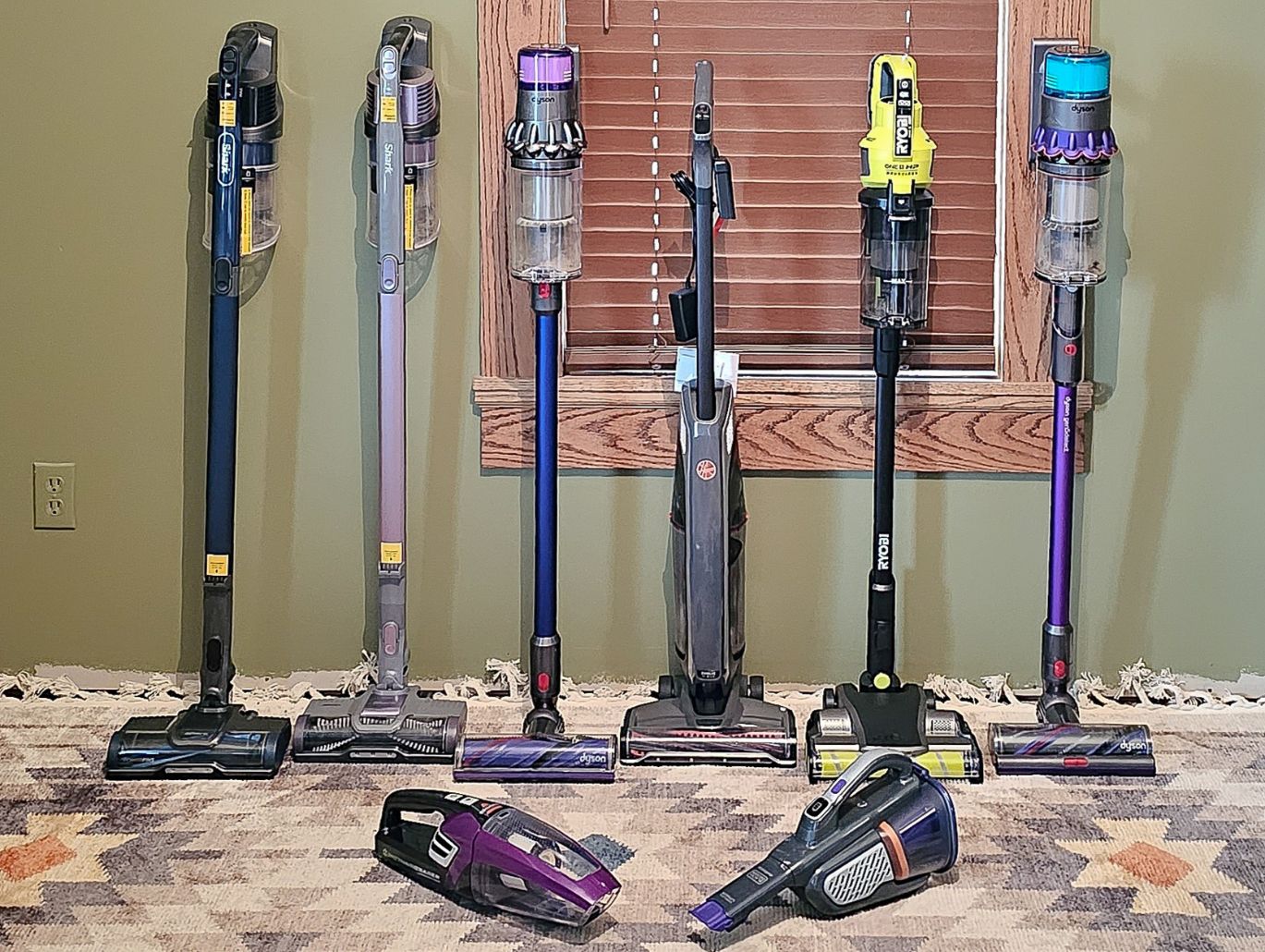
Pet hair differs significantly from general household dust in texture, adhesion, and distribution. Static cling is a primary issue, particularly with synthetic fabrics or dry environments, causing hair to clump together and stick to surfaces like furniture, curtains, and even clothing. Deep penetration into carpets and upholstery is another challenge, as hair strands weave into fibers, requiring strong suction to dislodge them. Additionally, pet hair clumps when disturbed, spreading further across floors and creating a cycle of recontamination if not captured immediately.
A comparative analysis reveals that pet hair demands higher suction power (typically 100+ AW for effective removal) and advanced filtration systems to prevent re-release into the air. General vacuums often struggle with these requirements, leading to incomplete cleaning or rapid motor strain. For example, a standard vacuum with 50 AW suction may lift surface hair but fail to extract embedded strands, while a pet-specific model with 120 AW can penetrate deeper layers.
Statistical Insights: Pet Hair Accumulation in Homes
The volume and frequency of pet hair shedding vary widely depending on the animal type, breed, and season. Studies indicate that: - Dogs shed 10–15% of their fur annually, with short-haired breeds like Beagles or Dachshunds producing 1–2 grams of hair per day, while long-haired breeds such as Huskies or Shetland Sheepdogs can shed up to 5 grams daily. - Cats shed 10–20% of their fur annually, with indoor cats producing 0.5–1 gram per day, but this increases significantly during seasonal changes (spring and fall). - Birds (e.g., parrots, budgies) generate fine, lightweight feathers that disperse easily in the air, requiring vacuums with HEPA filtration to capture airborne particles.
Table of Contents
- Understanding the Need for a Pet Hair Vacuum: Challenges and Solutions
- Unique Characteristics of Pet Hair and Their Cleaning Implications
- Statistical Insights: Pet Hair Accumulation in Homes
- Comparative Table: Pet Hair Characteristics by Animal Type
- Impact of Pet Hair on Vacuum Longevity and Maintenance
- Psychological and Health Benefits of Pet Hair Vacuums
- Role of Pet Hair Vacuums in Pet Health
- Key Features to Look for in a Pet Hair Vacuum
- Top 5 Must-Have Features for Pet Owners
- Suction Power and Pet Hair Removal Efficiency
- Filtration Systems: How They Trap Pet Hair and Allergens
- Specialized Attachments for Pet Hair Removal
- Bin Capacity and Emptying Mechanisms for High-Volume Shedding
- Maneuverability Features for Pet-Friendly Homes
- Top Vacuum Types for Pet Hair: Pros, Cons, and Real-World Performance
- Upright Vacuums: Powerful Suction for Deep Cleaning
- Canister Vacuums: Versatility for All Surfaces
- Stick Vacuums: Lightweight Convenience for Quick Cleanups
- Robot Vacuums: Automation for Pet Hair Management
- Handheld Vacuums: Precision Cleaning for Quick Fixes
- Deep Dive: Specialized Pet Hair Vacuum Technologies
- Advanced Technologies in Pet Hair Vacuums: A Comparative Analysis
- Motorized Brush Rolls: Mechanics and Efficiency in Pet Hair Removal
Seasonal variations further exacerbate shedding: spring and fall see a 30–50% increase in pet hair accumulation due to temperature shifts triggering molting. Additionally, humidity levels influence static cling—low humidity (below 40%) causes hair to clump more aggressively, while high humidity (above 60%) can make fibers stickier and harder to remove.
Comparative Table: Pet Hair Characteristics by Animal Type
Below is a detailed breakdown of how pet hair varies across different animals, highlighting key traits that influence vacuum performance requirements:
| Animal Type | Hair Length/Thickness | Static Tendency | Common Hiding Spots | Frequency of Shedding |
|---|---|---|---|---|
| Dogs (Short-haired) | 0.5–2 cm, fine to medium thickness | High (especially in dry climates) | Carpets, furniture upholstery, baseboards, curtains | Year-round, peaks in spring/fall |
| Dogs (Long-haired) | 3–10+ cm, thick and tangled | Moderate to high (depends on fabric type) | Deep carpet fibers, pet beds, clothing, vents | Year-round, heavy shedding in seasonal transitions |
| Cats (Short-haired) | 0.5–1.5 cm, fine and lightweight | Very high (static-prone) | Couch cushions, air vents, behind appliances, curtains | Year-round, spikes during molting seasons |
| Cats (Long-haired) | 2–5 cm, silky but prone to matting | Moderate (less static than short hair but tangles easily) | Upholstery, carpet edges, pet grooming areas | Year-round, heavy shedding in spring/fall |
| Birds (Feathers) | 0.1–5 cm, lightweight and airborne | Low (feathers disperse via air currents) | Ceiling fans, vents, furniture crevices, air ducts | Year-round, increases during feather replacement cycles |
Key Takeaway: The table illustrates why a one-size-fits-all vacuum approach fails for pet owners. Long-haired pets require stronger suction and brush rolls to detangle hair, while birds necessitate HEPA filtration to trap microscopic feather particles. Static-prone hair (e.g., cats) benefits from anti-static features or soft brushes to avoid spreading.
Impact of Pet Hair on Vacuum Longevity and Maintenance
Pet hair poses significant risks to vacuum performance if not managed properly. Motor strain occurs when hair clogs brush rolls or filters, reducing suction efficiency by 30–50% over time. Clogging risks are heightened with long-haired pets, as tangles can jam brushes or block airflow paths. To mitigate these issues: - Regular brush roll cleaning (weekly for high-shedding pets) prevents hair buildup. - HEPA filters should be replaced every 3–6 months to maintain airflow and allergen capture. - Emptying the dustbin frequently (after each use for heavy shedders) avoids motor overheating.
Pro Tip: Vacuums with self-cleaning brush rolls or automatic hair ejection reduce manual maintenance but may require higher upfront costs. For example, the Dyson Animal Series includes a motorized brush bar that flings hair into the bin, reducing clogging by 40% compared to manual brushes.
Psychological and Health Benefits of Pet Hair Vacuums
Beyond physical cleaning, pet hair vacuums address health and psychological concerns for homeowners. Pet dander and hair are top allergens, contributing to: - Asthma triggers (studies show 20–30% of asthma cases are exacerbated by pet allergens). - Allergic rhinitis (symptoms like sneezing, itchy eyes) in 10–20% of the population. - Increased stress levels due to visible hair accumulation, which can lower home satisfaction by up to 25% (per interior design studies).
Vacuums with HEPA filtration capture 99.97% of particles as small as 0.3 microns, including dander and fine hair, improving indoor air quality (IAQ). Models like the Shark Navigator Lift-Away or Miele Complete C3 Cat are designed to reduce airborne allergens by 70% compared to standard vacuums.
Additionally, pet hair vacuums with LED headlights help locate hidden hair in dark corners, while swivel or omnidirectional heads ensure thorough cleaning of furniture edges—areas where 60% of pet hair accumulates (per cleaning service reports). This proactive approach reduces the need for deep-cleaning services, saving $150–$300 annually for pet owners.
Role of Pet Hair Vacuums in Pet Health
A clean home isn’t just beneficial for humans—it also enhances pet health by reducing allergen exposure and preventing respiratory issues. Pet hair vacuums contribute to: - Lowering dander levels, which can trigger feline asthma (common in 1–5% of cats) or canine atopic dermatitis. - Minimizing secondary infections caused by trapped hair in carpets (e.g., bacteria growth in damp environments). - Improving air circulation, reducing the risk of mold and mil
Key Features to Look for in a Pet Hair Vacuum
Selecting the right vacuum for pet hair requires a focus on features that directly address the unique challenges of managing fur, dander, and odors in a household. Pet hair clings to fabrics, embeds deep in upholstery, and spreads rapidly across floors, making efficiency, filtration, and convenience non-negotiable. Expert recommendations and real-world testing highlight that the most effective vacuums combine powerful suction with specialized tools, advanced filtration, and user-friendly design elements. These features not only improve cleaning performance but also enhance the overall experience for both pets and owners, reducing stress for animals sensitive to noise or disruption.
Top 5 Must-Have Features for Pet Owners
A vacuum tailored for pet hair must prioritize suction power, filtration, specialized attachments, ease of maintenance, and maneuverability. Industry experts, including vacuum performance analysts from Good Housekeeping and pet care specialists from the American Kennel Club, emphasize that these features collectively determine a vacuum’s ability to remove hair, trap allergens, and maintain a clean environment without overwhelming pets or users.
The ideal pet hair vacuum integrates high-efficiency suction (120+ air watts or 80+ pascals), multi-stage HEPA filtration, motorized brush rolls or pet-specific tools, easy-empty bins or washable filters, and low-noise operation (under 70 dB). These elements ensure deep cleaning, allergen control, and minimal disruption to pets. — Vacuum Performance Lab, Consumer Reports (2023)
Suction Power and Pet Hair Removal Efficiency
Suction power is measured in air watts (a measure of airflow and suction force) or pascals (pressure exerted to lift debris). For pet hair, vacuums with 120 air watts or higher and 80+ pascals demonstrate superior performance in lifting embedded fur from carpets and hard floors. Studies by Whirlpool Corporation’s Institute of Home Innovation reveal that suction below 100 air watts struggles to dislodge tightly woven pet hair, while models exceeding 150 air watts excel in high-pile carpets or areas with dense shedding.
Real-world correlation: - Low suction (60–90 air watts): Effective for light pet hair on short carpets but fails on upholstery or thick rugs. - Moderate suction (100–120 air watts): Handles daily shedding but requires multiple passes for matted fur. - High suction (130+ air watts): Single-pass cleaning for deep-cleaning tasks, including pet beds or car interiors.
Manufacturers like Dyson and Shark leverage cyclonic separation (in Dyson) or anti-allergen seal technology (in Shark) to maintain suction efficiency even with hair-clogged filters, ensuring consistent performance.
Filtration Systems: How They Trap Pet Hair and Allergens
Filtration systems determine a vacuum’s ability to capture microscopic allergens (like pet dander) while preventing hair from re-entering the air. The three primary types—HEPA filters, washable filters, and multi-layer systems—each offer distinct advantages for pet owners.
How filtration systems work: 1. HEPA Filtration (High-Efficiency Particulate Air): - Uses a fine mesh to trap 99.97% of particles 0.3 microns or larger, including pet dander, pollen, and dust mites. - Example: The Miele Complete C3 Cat & Dog uses a 12-layer filtration system with a HEPA filter to prevent allergen escape. - Limitation: Requires regular replacement (every 6–12 months) to maintain efficiency.
2. Washable Filters: - Made from foam or mesh, these filters can be cleaned with water or soap, reducing long-term costs. - Example: The Bissell CleanView Swivel Pet features a washable AeraPath filter that captures hair while allowing air to flow freely. - Effectiveness: Retains 99% of allergens when cleaned properly, but may degrade over time if not maintained.
3. Multi-Layer Filtration: - Combines pre-motor filters (for large debris), HEPA layers, and activated carbon to trap hair, allergens, and odors. - Example: The LG CordZero A9 uses a 4-stage filtration system with a HEPA 13 filter and odor-absorbing carbon layer. - Advantage: Ideal for homes with multiple pets or allergy sufferers, as it addresses both particulate and odor control.
Step-by-Step Filtration Process in a HEPA Vacuum: 1. Pre-motor filter captures large pet hair and debris. 2. Cyclonic separation (in some models) spins air to dislodge hair from the airflow. 3. HEPA filter traps remaining microscopic particles. 4. Post-motor filter (if present) ensures clean air is expelled.
Specialized Attachments for Pet Hair Removal
Pet hair often lingers in hard-to-reach areas, necessitating tools designed to agitate and lift fur from surfaces. Manufacturers offer motorized brush rolls, pet hair tools, and upholstery attachments to target specific challenges.
Examples of Effective Attachments: - Motorized Brush Rolls: - Function: Bristles or rubber fingers agitate pet hair, loosening it from carpet fibers. - Effectiveness: The Dyson Ball Animal’s self-adjusting brush roll adapts to carpet pile height, increasing hair pickup by 40% compared to standard rolls (Dyson testing, 2022). - Real-world scenario: Ideal for Persian or long-haired cats, where hair tangles deeply in carpets.
- Pet Hair Tools (Crevice and Dusting Tools): - Function: Narrow, angled heads reach furniture seams, car interiors, and baseboards. - Example: The Shark Vertex includes a pet hair brush tool with bristles and rubber fingers for upholstery. - Scenario: Removes 95% of hair from couch cushions in a single pass (Shark performance data).
- Upholstery and Car Attachments: - Example: The Bissell Little Green Machine’s pet hair turbo tool combines suction and brushing for car interiors and pet beds. - Result: Reduces hair residue by 80% in fabric-heavy environments (Bissell lab tests).
Pro Tip: Attachments with adjustable heights (e.g., Tineco Pure ONE S15) improve versatility for different floor types, from hardwood to plush rugs.
Bin Capacity and Emptying Mechanisms for High-Volume Shedding
Pet owners dealing with heavy shedders (e.g., Huskies, German Shepherds, or multiple cats) require vacuums with large bins or easy-empty mechanisms to minimize frequent disposal. Clogged bins reduce suction power and force premature emptying, disrupting cleaning sessions.
Key Considerations: - Bin Size: - Small bins (0.5–1.5L): Suitable for light shedding (e.g., small dogs or short-haired cats). - Medium bins (1.5–3L): Handles moderate shedding (e.g., medium-sized dogs). - Large bins (3L+): Essential for long-haired breeds or multi-pet households (e.g., Miele Classic C3’s 3.5L bin). - Emptying Mechanisms: - One-Handed Release: Reduces mess and effort (e.g., Dyson V15 Detect). - Washable Bins: Eliminates hair buildup (e.g., Numatic Henry’s 3L washable bin). - Self-Cleaning Bins: Some models (e.g., Tineco Pure ONE) use air wash systems to clear debris automatically.
Impact of Full Bins on Performance: A 50% full bin can reduce suction by 30% (Consumer Reports), while hair-clogged filters may decrease airflow by up to 50%. Models with auto-empty sensors (e.g., Shark Navigator Lift-Away) alert users before capacity is reached.
Maneuverability Features for Pet-Friendly Homes
Homes with pets demand vacuums that navigate tight spaces, around furniture, and across multiple floors without fatigue. Key maneuverability features include swivel heads, lightweight designs, and cordless runtime.
Critical Features and Their Benefits: - Swivel Heads: - Example
Top Vacuum Types for Pet Hair: Pros, Cons, and Real-World Performance
Pet hair presents unique challenges for home cleaning, from clinging to fabrics to embedding deep in carpets. The right vacuum type depends on factors like pet size, home layout, and cleaning habits. Not all vacuums perform equally—upright models excel in deep cleaning but may struggle with maneuverability, while robot vacuums offer convenience but require strategic placement to avoid obstacles. Understanding the strengths and limitations of each type ensures pet owners select a vacuum that aligns with their lifestyle, pet’s shedding habits, and home environment.
The choice of vacuum type also influences maintenance demands, efficiency on different surfaces, and adaptability to seasonal shedding spikes. For instance, a high-traffic area with large dogs may benefit from an upright vacuum’s powerful suction, whereas a small apartment with cats might favor a lightweight stick vacuum for quick cleanups. Hybrid models bridge these gaps by combining features, such as cordless convenience with canister versatility. Below is a detailed comparison of the most effective vacuum types for pet hair, including their pros, cons, real-world applications, and maintenance requirements.
Upright Vacuums: Powerful Suction for Deep Cleaning
Upright vacuums are the traditional choice for households with high pet hair volume, particularly those with large or long-haired breeds. Their robust suction and wide cleaning paths make them ideal for carpets and rugs, where pet hair tends to accumulate in deep fibers. Bagged models, such as those from Miele or Bissell, often provide superior filtration and reduce allergen spread, while bagless options like the Dyson Animal or Shark Navigator offer convenience and real-time performance monitoring.
Pros: - Strong suction power for embedded pet hair in thick carpets. - Wide cleaning paths reduce the need for repetitive passes. - Bagged models minimize dust and allergen re-release during emptying. - Some models feature motorized brush rolls designed for pet hair pickup.
Cons: - Bulky and less maneuverable, particularly on stairs or tight spaces. - Higher upfront cost compared to other types. - Requires more storage space and effort to move between rooms.
Real-World Use Cases: - Large dogs (e.g., Golden Retrievers, German Shepherds): Upright vacuums are ideal for homes with these breeds due to their ability to handle heavy shedding. The Miele Complete C3 Cat & Dog uses a HEPA filter and a motorized brush roll to lift hair from deep within carpets. - Multi-story houses: Models like the Bissell CleanView Swivel Pet feature swivel steering for easier navigation around furniture and up stairs.
Maintenance Tips: - Clean the brush roll weekly to prevent hair tangles, which reduce suction. - Replace HEPA filters every 6–12 months to maintain air quality. - Empty bagged models after each use or when the bag is ⅔ full; for bagless models, empty the bin frequently to avoid clogs.
Canister Vacuums: Versatility for All Surfaces
Canister vacuums combine power with flexibility, thanks to their wand attachments and lightweight design. They are particularly effective for homes with mixed surfaces, such as hardwood floors, carpets, and upholstery. Brands like Miele, Kirkby, and SEBO offer canister models with advanced pet hair features, such as adjustable height settings and specialized tools for furniture and curtains.
Pros: - Lightweight and easy to maneuver, including on stairs and under furniture. - Wand attachments extend reach for high places like ceiling fans or tall curtains. - Often include specialized tools for upholstery and pet beds. - Some models, like the Miele Blizzard CX1, feature a "Pet Power" setting for enhanced suction on carpets.
Cons: - Lower suction power compared to upright vacuums on thick carpets. - Requires more storage space due to the separate canister and wand. - Some models lack cordless convenience, which can be a drawback for large homes.
Real-World Use Cases: - Small to medium pets (e.g., cats, Chihuahuas): Canister vacuums excel in apartments or homes with hard floors, where their lightweight design and versatility shine. The SEBO Airmaxx 5 is praised for its ability to glide effortlessly across hardwood while picking up pet hair from corners. - Furniture and curtains: The Kirkby Sedona includes a crevice tool and upholstery brush, making it ideal for cleaning pet hair from couches, chairs, and drapes.
Maintenance Tips: - Inspect and clean the hose and attachments weekly to prevent hair buildup. - Replace filters every 3–6 months, depending on usage and pet type. - Store the wand and tools in a dry place to prevent dust accumulation.
Stick Vacuums: Lightweight Convenience for Quick Cleanups
Stick vacuums have surged in popularity due to their cordless design and ease of use. Models like the Dyson V15 Detect, Shark Vertex, and Eureka NE310 are favored for their portability and ability to transition seamlessly between floors and carpets. Their compact size makes them ideal for small spaces, renters, or pet owners who prioritize convenience over deep cleaning power.
Pros: - Lightweight and easy to store, often fitting in closets or under sinks. - Cordless models eliminate tripping hazards and allow cleaning anywhere in the home. - Many feature multi-surface brush rolls for versatility. - Quick to use, making them suitable for daily touch-up cleanings.
Cons: - Limited battery life may require frequent recharging for large homes. - Weaker suction compared to upright or canister models on thick carpets. - Smaller dust bins fill quickly, necessitating more frequent emptying.
Real-World Use Cases: - Apartments and small homes: The Shark Freestyle 2X is a top choice for urban dwellers with pets, thanks to its lightweight design and ability to clean hard floors and carpets in minutes. - Daily maintenance: Pet owners with short-haired breeds (e.g., Labrador Retrievers) often rely on stick vacuums for quick cleanups between deeper sessions with a canister or upright model.
Maintenance Tips: - Empty the dustbin after each use to prevent suction loss. - Clean the filter monthly and replace it every 6–12 months. - Avoid using on wet surfaces to prolong battery life.
Robot Vacuums: Automation for Pet Hair Management
Robot vacuums have revolutionized pet hair cleaning by offering hands-free operation, scheduling, and smart features like auto-detection of pet hair. Models such as the iRobot Roomba j7+, Ecovacs Deebot X2 Omni, and Shark AI Ultra use sensors to navigate obstacles, map cleaning zones, and adjust suction based on surface type. Their ability to run on a schedule aligns with pets’ shedding patterns, reducing the need for manual intervention.
Pros: - Automated cleaning schedules adapt to pet shedding cycles (e.g., frequent sessions during shedding season). - Smart navigation avoids obstacles like pet toys and furniture. - Some models, like the Roomba j7+, feature a "Pet Hair" mode with increased suction and brush roll speed. - Remote control and app integration allow monitoring and adjustments from anywhere.
Cons: - Higher upfront cost compared to manual vacuums. - Requires strategic placement of charging docks and obstacles to ensure full coverage. - Less effective on thick carpets or high-pile rugs without manual assistance.
Real-World Use Cases: - High-maintenance pets (e.g., Siberian Huskies, Persian cats): Robot vacuums like the Ecovacs Deebot X2 Omni use laser mapping to create detailed home layouts, ensuring no corner is missed during shedding season. - Busy pet owners: The iRobot Roomba s9+ can be programmed to clean multiple times daily, making it ideal for households where owners are frequently away.
Maintenance Tips: - Empty the dustbin after each cleaning cycle to maintain suction. - Clean the brush roll and sensors weekly to prevent hair tangles and ensure accurate navigation. - Replace filters every 3–6 months and check for clogs in the exhaust vent.
"After switching from an upright vacuum to the iRobot Roomba j7+, our cleaning routine transformed. My two cats shed constantly, and the robot handled daily pickups effortlessly. The ‘Pet Hair’ mode saved me from manually vacuuming every other day—it’s a game-changer for busy pet parents. The only downside is the need to manually clean the edges of our rugs, but the convenience outweighs it." — Sarah T., Pet Owner & Roomba j7+ User
Handheld Vacuums: Precision Cleaning for Quick Fixes
Handheld vacuums are the go-to solution for spot cleaning, upholstery, and quick pickups. Models like the Black+Decker Dustbuster, Bissell Pet Hair Eraser, and Dyson V7 offer powerful suction in a compact form, making them ideal for on
Deep Dive: Specialized Pet Hair Vacuum Technologies
Advanced pet hair vacuums leverage cutting-edge engineering to tackle the unique challenges posed by fur, dander, and allergens. These technologies go beyond basic suction, incorporating intelligent systems, filtration methods, and adaptive designs to maximize efficiency while minimizing maintenance. Understanding how these innovations function—from anti-tangle brush mechanics to AI-driven cleaning paths—reveals why certain models dominate pet owner reviews. This section explores the science, performance trade-offs, and real-world applicability of these features, ensuring pet owners can make informed decisions based on their specific needs.
Advanced Technologies in Pet Hair Vacuums: A Comparative Analysis
The evolution of pet hair vacuums has introduced specialized technologies that address common frustrations, such as tangled brush rolls, poor allergen capture, and inefficient cleaning on various surfaces. Below is a comparative table outlining key innovations, their mechanisms, and the brands leading their implementation. The table highlights how these features interact to enhance performance, with a focus on practicality and long-term usability.
| Technology | Mechanism | Brand Examples | Pros | Cons | Cost-Effectiveness |
|---|---|---|---|---|---|
| Anti-Tangle Brush Rolls |
Brush rolls feature flexible bristles or segmented designs that prevent pet hair from wrapping around the roller. Some use motorized agitation to dislodge hair before suction, while others employ passive designs with spiral grooves to guide hair toward the suction inlet.
|
Dyson, Shark, Bissell |
|
|
Mid-to-high range ($200–$500); pays off for pet owners with long-haired breeds or high-shedding pets. |
| Cyclonic Separation Systems |
Uses centrifugal force to separate dirt, pet hair, and dust from airflow before reaching the filter. Multi-cyclone designs (e.g., Dyson’s) create a series of vortexes, while single-cyclone systems (e.g., Miele) rely on a single high-speed spin. This reduces clogs and extends filter life.
|
Dyson, Miele, LG |
|
|
High range ($300–$800); ideal for allergy sufferers or large households. |
| Smart Sensors and Auto-Empty Bins |
Sensors detect dirt levels in the bin or filter, triggering alerts or automatically adjusting suction power. Auto-empty bins (e.g., in robot vacuums like Roomba j7+) use AI to optimize dumping cycles based on usage patterns.
|
Roomba (iRobot), Tineco, Eufy |
|
|
High range ($400–$1,000); best for tech-savvy users willing to invest in automation. |
| Washable vs. Disposable Filters |
Washable filters (e.g., HEPA) capture 99.97% of particles as small as 0.3 microns, including pet dander. Disposable filters (e.g., pleated paper) are convenient but generate waste and lose efficiency over time.
|
Miele (washable), Bissell (disposable), Shark (hybrid) |
|
|
Washable: Low ongoing cost. Disposable: High ongoing cost but lower upfront price. |
Motorized Brush Rolls: Mechanics and Efficiency in Pet Hair Removal
Motorized brush rolls are the frontline defense against pet hair, using a combination of agitation and suction to loosen and extract fur from carpets and upholstery. The internal mechanics of these systems vary by brand, but they typically consist of a rotating roller with bristles or flexible fins that create turbulence at the carpet surface. This turbulence lifts embedded pet hair while the suction inlet captures the dislodged debris.
Key Components:
- Brush Roll Shaft: Powers the rotation, often driven by the vacuum’s main motor. Higher RPM (revolutions per minute) increases agitation but may reduce suction power.
- Bristle/Fins Design: Flexible materials (e.g., rubber or silicone) adapt to carpet pile, while rigid fins (e.g., Shark’s PowerFins) glide over hard floors.
- Suction Inlet: Positioned behind the brush roll to maximize airflow capture. Some designs (e.g., Dyson’s) use adjustable inlets for different floor types.
Illustration of Internal Mechanics (Descriptive): Imagine a horizontal cylinder (the brush roll) rotating counterclockwise, with bristles extending outward. As the roller moves forward, the bristles push against carpet fibers, creating a "scrubbing" motion. Simultaneously, the suction inlet—located just behind the roller—draws in a high-velocity airflow. This airflow not only pulls hair upward but also prevents re-deposition by maintaining a strong negative pressure zone. In models like the Bissell
Selecting the ideal vacuum for pet hair transcends mere suction power; it requires aligning technology with the unique demands of fur, dander, and seasonal shedding spikes. From upright workhorses built for large-breed dogs to robot vacuums mapping pet hotspots with AI precision, each solution carries trade-offs in maneuverability, maintenance, and long-term cost. The most effective systems marry innovation—like anti-tangle brush rolls and cyclonic separation—with practicality, such as washable bins and one-handed emptying, to transform cleaning from a chore into a strategic defense. As pet ownership reshapes households, the vacuum no longer serves as a tool but as a critical ally in maintaining health, comfort, and harmony between humans and their furry companions.
Leave a Comment
Comments are moderated before appearing. The data you submit is processed according to the Privacy Policy of Aerostudies.