What Is An Indian Summer Explained Simply
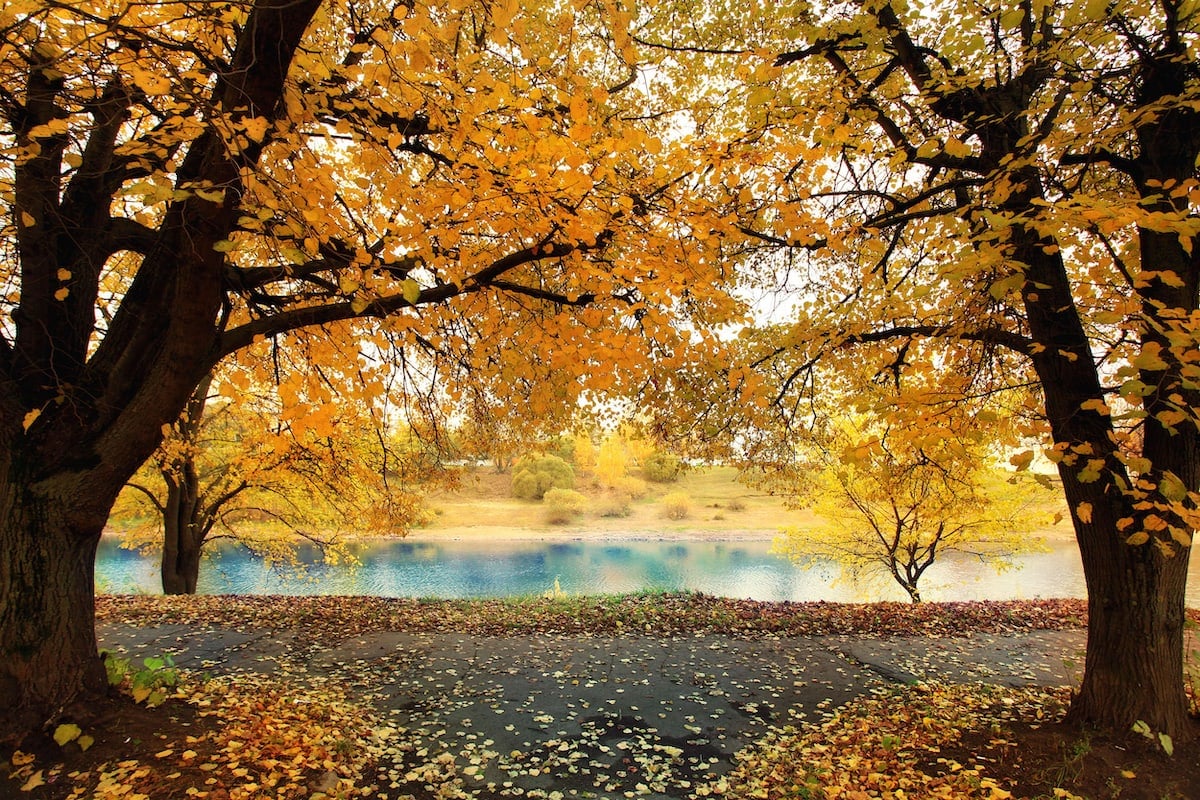
Autumn’s final warmth arrives unexpectedly, defying seasonal logic with golden skies and temperatures that trick the mind into believing summer lingers. Known as Indian Summer, this meteorological curiosity delivers a late-season heatwave that has baffled scientists and enchanted poets for centuries, often striking in late October or November when frost should already be creeping in. Unlike typical summer heat, Indian Summer arrives with a whisper—clear skies, crisp air, and a deceptive calm that masks its abrupt origins in high-pressure systems pushing warm air southward.
The phenomenon thrives on a paradox: while thermometers climb, humidity vanishes, leaving behind days that feel like a borrowed moment from summer’s end. From the Great Lakes to the British Isles, regions across the Northern Hemisphere experience this fleeting reprieve, though its intensity and timing vary wildly. Historical records reveal that Indian Summers have shaped agricultural rhythms, inspired folklore, and even influenced literary movements, cementing its place as more than just a weather event—it is a cultural and scientific enigma wrapped in warmth.
Understanding the Phenomenon: What Is an Indian Summer?

An Indian Summer represents a meteorological anomaly—a brief yet striking return of summer-like warmth during late autumn, defying seasonal expectations. Unlike typical summer conditions, this phenomenon occurs after the first frost, often in regions where cold fronts have already established dominance. Its occurrence is tied to specific atmospheric dynamics that create an abrupt shift in temperature, leaving observers both fascinated and puzzled. While the term "Indian Summer" is most commonly associated with North America, similar warming events have been documented in Europe and other temperate zones, each with distinct regional variations.
The defining characteristic of an Indian Summer lies in its unexpected warmth, typically ranging between 15°C to 25°C (59°F to 77°F) for 3 to 5 days, sometimes extending to a week. This surge in temperature occurs after a period of cooler autumn weather, often accompanied by clear skies, low humidity, and calm winds, creating an illusion of summer’s return. Unlike traditional summer heat, which is driven by high solar radiation and tropical air masses, Indian Summers are primarily influenced by high-pressure systems that trap warm air near the surface while blocking cold air from advancing southward.

Meteorological Definition and Seasonal Timing
An Indian Summer is a short-lived, warm-weather event that typically manifests between mid-October and early December in the Northern Hemisphere, with variations depending on latitude. Meteorologists classify it as a secondary warming period following the first autumnal cold snap, often occurring after the first killing frost—a critical threshold where temperatures drop low enough to damage tender plants. Unlike regular summer, which follows a predictable seasonal arc, Indian Summers are episodic, meaning they do not adhere to a fixed schedule and can vary in intensity from year to year.
The timing of Indian Summers aligns with the transition between autumn and winter, when the polar jet stream weakens and shifts southward. This shift allows subtropical high-pressure systems to dominate, pushing warm air northward while cold Arctic air retreats. Historical climate records from the National Oceanic and Atmospheric Administration (NOAA) indicate that Indian Summers are most frequent in the Midwest and Northeast United States, particularly in states like Ohio, Michigan, and New York, where temperatures can spike by 10°C to 15°C (18°F to 27°F) above seasonal norms. In Europe, similar events are observed in regions like Central England and the Netherlands, often referred to as a "St. Martin’s Summer" (named after November 11th, the feast day of St. Martin).
Key temperature records highlight the phenomenon’s intensity: - 1954 (Ohio, USA): Temperatures reached 29°C (84°F) in late October, followed by a sudden drop to -1°C (30°F) within days. - 2018 (Netherlands): A late-November Indian Summer recorded 18°C (64°F), contrasting sharply with the preceding frosty conditions. - 1991 (Canada): Some regions experienced 20°C (68°F) in early December before plunging to -10°C (14°F) shortly after.
Atmospheric Conditions Driving Indian Summers
The formation of an Indian Summer is governed by three primary atmospheric factors: high-pressure systems, clear skies, and warm air advection. These conditions interact to create a temporary "capsule" of warmth that lingers over a region for several days before dissipating.
Table of Contents
- Understanding the Phenomenon: What Is an Indian Summer?
- Meteorological Definition and Seasonal Timing
- Atmospheric Conditions Driving Indian Summers
- Comparative Analysis: Indian Summer vs. Other Late-Season Warming Events
- Cultural and Historical Significance of Indian Summer
- Linguistic Origins and Early Literary References
- Folklore and Symbolic Meanings Across Cultures
- Regional Perceptions and Agricultural Impact
- Literary and Artistic Depictions Through History
- Key Historical and Scientific Events Tied to Indian Summers
- Seasonal Festivals and Cultural Traditions Influenced by Indian Summers
- Scientific Explanations: Causes and Meteorological Mechanics of Indian Summers
- Role of High-Pressure Systems in Blocking Cold Air Masses
- Radiational Cooling and Diurnal Temperature Extremes
- Influence of Large-Scale Climate Patterns
- Step-by-Step Formation of an Indian Summer
- Interpreting Satellite and Weather Maps for Indian Summer Signs
- Urban vs. Rural Indian Summers: The Urban Heat Island Effect
- Regional Variations: Where and When Indian Summers Manifest Globally
- Global Hotspots for Indian Summers: A Continental Breakdown
- Seasonal Calendars: Timing and Duration Across Three Key Regions
- Geographical Influences: Elevation and Topography in Indian Summer Formation
- Climate Change and the Evolution of Indian Summers
- Comparative Analysis: Indian Summers Across Five Regions
- Impact on Daily Life: Activities and Preparations During Indian Summer
- Practical Preparations for Homeowners and Gardeners
- Traveler’s Checklist for Outdoor Activities During Indian Summer
- Energy Consumption Patterns and Home Adjustments
- Expert Advice: Recognizing and Responding to Indian Summer
- Seasonal Activities That Thrive During Indian Summer
- Creating a Personal Weather Journal for Tracking Indian Summers
1. High-Pressure Systems and Subsidence High-pressure systems, often originating from subtropical or mid-latitude regions, dominate during Indian Summers. These systems are characterized by subsiding air—where air descends from higher altitudes, compressing and warming as it approaches the surface. This process, known as adiabatic warming, can elevate temperatures by 5°C to 10°C (9°F to 18°F) above expected levels. The subsiding air also inhibits cloud formation, leading to crisp, clear skies that enhance solar heating during the day while allowing heat to radiate back to the ground at night.
2. Blocked Cold Fronts and Stalled Jet Streams The polar jet stream, a fast-moving air current that steers weather systems, often weakens or splits during autumn. When a high-pressure ridge develops along the jet stream, it can block cold Arctic air from advancing southward, trapping warm air in its wake. This blocking pattern is a hallmark of Indian Summers, as it prevents the usual progression of winter weather. Satellite and radar data from the European Centre for Medium-Range Weather Forecasts (ECMWF) show that these blocking highs can persist for 3 to 7 days, creating the ideal conditions for the phenomenon.
3. Warm Air Advection from the South While high pressure contributes to warming, the advection of warm air from southern latitudes plays a crucial role. In North America, this often involves southerly winds transporting Gulf of Mexico or subtropical air masses northward. In Europe, warm air may originate from the Mediterranean or North Africa. The combination of dry, warm air and minimal cloud cover results in low humidity levels, a key differentiator from traditional summer weather, which is often accompanied by high dew points and thunderstorms.
Comparative Analysis: Indian Summer vs. Other Late-Season Warming Events
Indian Summers share similarities with other late-season warming events, but each has distinct meteorological triggers and characteristics. Below is a comparative table highlighting the differences between Indian Summer, False Spring, and Heat Waves, focusing on timing, atmospheric drivers, and key features.
| Event Name | Typical Timing | Key Characteristics |
|---|---|---|
| Indian Summer | Late autumn (mid-October to early December in Northern Hemisphere) |
|
| False Spring | Early spring (March–April in Northern Hemisphere) |
|
| Heat Wave | Summer (June–August in Northern Hemisphere) |
|
| Stage | Atmospheric Condition | Resulting Weather Effect |
|---|---|---|
| 1. High-Pressure Expansion | A subtropical high (e.g., Bermuda High) expands poleward, displacing the polar jet stream northward. | Cold air masses are blocked, allowing warm air to advect northward. |
| 2. Jet Stream Divergence | The polar jet stream splits, with one branch remaining over Canada and another stagnating over the mid-latitudes. | Reduced wind speeds at the surface lead to calm, dry conditions. |
| 3. Radiational Cooling Dominance | Clear skies and low humidity enhance nighttime radiative heat loss, creating surface inversions. | Daytime temperatures rise sharply due to solar heating, while nights remain cold. |
| 4. Feedback Loop Activation | Warm days increase surface pressure, strengthening the high-pressure system and reinforcing the block. | Prolonged warmth with diurnal swings of 15–20°C (27–36°F). |
| 5. Event Termination | A sudden shift in the jet stream (e.g., due to a trough amplification or tropical system interaction) breaks the block. | Cold air surges southward, ending the Indian Summer abruptly. |
Interpreting Satellite and Weather Maps for Indian Summer Signs
Weather enthusiasts and meteorologists use satellite imagery and surface analysis maps to identify impending Indian Summers by monitoring key atmospheric markers. On infrared satellite loops, signs include:
On 500 hPa geopotential height maps, an Indian Summer is often preceded by:
For example, in October 2017, a strong ridge over the Central U.S. (visible on the NOAA’s GFS model) preceded an Indian Summer in the Great Lakes region, with Detroit recording 23°C (73°F) in late November. Conversely, the absence of such ridges—such as during October 2014—led to an early winter onset.
Urban vs. Rural Indian Summers: The Urban Heat Island Effect
The frequency and
Regional Variations: Where and When Indian Summers Manifest Globally
Indian Summers exhibit striking regional diversity, influenced by latitude, topography, and atmospheric patterns. While the phenomenon is most famously associated with North America’s Midwest and Northeast, its occurrence spans continents, adapting to local climates. Understanding these variations reveals how geographical features and seasonal shifts create distinct Indian Summer experiences—from the mild warmth of Northern Europe to the intense heat waves of East Asia. Elevation, proximity to large water bodies, and even urbanization play critical roles in shaping their timing, intensity, and frequency, with climate change further reshaping these patterns.
Global Hotspots for Indian Summers: A Continental Breakdown
Indian Summers are not confined to a single region but emerge in diverse climates, often under similar meteorological conditions: a high-pressure system displacing cooler air and trapping warm air near the surface. North America, particularly the Midwest and Northeast U.S., remains the archetypal example, where late-season warmth follows early frost. However, Europe, Asia, and even parts of the Southern Hemisphere experience analogous phenomena, though with regional nuances. North America:
Europe:
Asia:
Southern Hemisphere (Less Common but Documented):
Seasonal Calendars: Timing and Duration Across Three Key Regions
The onset, peak, and duration of Indian Summers vary significantly based on regional climate systems. Below are average patterns for three high-profile areas, derived from NOAA, Met Office UK, and German Weather Service (DWD) data. 1. U.S. Midwest (e.g., Chicago, Illinois)
2. United Kingdom (e.g., London, England)
3. Germany (e.g., Munich, Bavaria)
Geographical Influences: Elevation and Topography in Indian Summer Formation
Elevation and terrain profoundly alter Indian Summers, creating microclimates where warmth becomes concentrated or dispersed. Three primary factors dominate: 1. Proximity to Large Water Bodies
2. Mountainous and Valley Effects
3. Urban Heat Islands
Climate Change and the Evolution of Indian Summers
Emerging research suggests Indian Summers are becoming more frequent, intense, and unpredictable, driven by global warming and shifting jet streams. Key trends include:
Key Mechanism: Climate models link Indian Summers to expanded subtropical high-pressure zones, which displace polar air masses later into autumn. Rising global temperatures intensify these ridges, prolonging warm air retention.
Comparative Analysis: Indian Summers Across Five Regions
The following table synthesizes data from NOAA, ECMWF, and regional meteorological agencies, highlighting how geography and climate systems shape
Impact on Daily Life: Activities and Preparations During Indian Summer
The arrival of an Indian Summer transforms routines and outdoor plans, demanding adaptability from individuals, households, and communities. This meteorological event influences everything from agricultural practices to energy consumption, travel itineraries, and seasonal celebrations. Understanding how to prepare for its unpredictable warmth and potential cold snaps can mitigate disruptions, while recognizing its unique opportunities allows communities to maximize enjoyment during this fleeting period.
Practical Preparations for Homeowners and Gardeners
Indian Summers introduce a paradoxical climate—warm days followed by sudden chilly nights—which requires strategic adjustments to maintain comfort and protect property. Homeowners should insulate vulnerable pipes to prevent freezing, especially in regions like the Midwest or Northeast U.S., where temperatures can plummet overnight. Gardeners must cover tender plants with frost cloth or row covers during evenings, particularly for crops like tomatoes, peppers, and basil, which are sensitive to cold. A layered approach to heating systems is advisable: delay turning on furnaces until temperatures consistently drop below 10°C (50°F) to save energy, but ensure space heaters with carbon monoxide detectors are readily available for backup warmth. For those with outdoor furniture or equipment, storing them indoors or using weather-resistant covers prevents damage from moisture and temperature fluctuations. Soil preparation is critical for gardeners; adding mulch or compost can insulate roots and retain warmth during the day while protecting against nighttime frosts. A hydration-focused irrigation schedule—watering plants in the early morning—reduces evaporation loss during warm days while minimizing fungal risks from evening dampness.
Traveler’s Checklist for Outdoor Activities During Indian Summer
Outdoor enthusiasts planning hiking, camping, or road trips during Indian Summer must account for its volatile conditions. A well-packed layered clothing system is essential: lightweight long-sleeve shirts and thermal base layers for warmth, paired with a windproof jacket and waterproof shell for sudden temperature drops. Footwear with grip and insulation (e.g., merino wool socks) prevents hypothermia on trails, while hand warmers and a compact emergency blanket can be lifesavers in remote areas. For hiking safety, travelers should:
Camping during Indian Summer requires tent selection with a four-season rating and a ground tarp to insulate against cold ground temperatures. Cooking strategies should prioritize high-energy foods (nuts, dried fruits) and avoid alcohol, which accelerates heat loss. Water sources must be tested for safety, as stagnant pools may freeze overnight, and fire safety protocols should include backup fuel sources in case winds shift abruptly.
Energy Consumption Patterns and Home Adjustments
Indian Summers create energy consumption paradoxes, as households oscillate between delayed heating activation and unexpected cooling needs. In regions like Europe or the Pacific Northwest, where Indian Summers are less common, residents may prematurely reduce heating reliance, only to face chilly nights requiring last-minute furnace use. Conversely, in areas like the Great Lakes or Appalachian Mountains, where warm spells persist into autumn, air conditioning demand spikes as people extend outdoor activities into unseasonably mild evenings. To optimize energy use:
Regional energy grids may also experience strain. For example, during the 2017 Indian Summer in the UK, National Grid issued warnings about increased demand on gas pipelines as homeowners turned up thermostats unexpectedly. Preparing for these shifts involves participating in utility demand-response programs, which offer incentives for reducing usage during peak hours.
Expert Advice: Recognizing and Responding to Indian Summer
"An Indian Summer isn’t just warm weather—it’s a deceptive meteorological trick. Residents should watch for three key signs: persistent warmth (15–25°C / 60–75°F) after the first frost, clear skies with high pressure, and light winds. If you notice spiders’ webs persisting or geese migrating later than usual, that’s your cue: pack a cooling vest for the day and a down jacket for the night. The most dangerous mistake people make is assuming the warmth will last—always have a Plan B for sudden cold fronts." — Dr. Elena Vasquez, Climatologist, National Oceanic and Atmospheric Administration (NOAA)
Expert recommendations emphasize proactive monitoring through:
Seasonal Activities That Thrive During Indian Summer
Indian Summers create a golden window for activities that rely on mild weather, from harvest festivals to outdoor weddings. Regions capitalize on this phenomenon with time-sensitive events:
For urban dwellers, this period encourages rooftop dining, outdoor concerts, and harvest markets. Cities like Toronto (Canada) or Berlin (Germany) often host late-season beer gardens or street food festivals during Indian Summers, drawing crowds who might otherwise retreat indoors.
Creating a Personal Weather Journal for Tracking Indian Summers
Documenting Indian Summers enhances preparedness and contributes to community climate resilience. A personal weather journal should record:
Digital tools like Weather Underground’s PWS (Personal Weather Station) or Apple’s Weather app (with manual logging) streamline data collection. For analog tracking, a spiral-bound notebook with graph paper allows plotting temperature trends over time. Comparing journal entries across years can reveal local Indian Summer patterns, such as:
Sharing journal data with neighborhood groups or local meteorological societies enriches regional forecasting efforts and builds collective resilience.
Indian Summer stands as a testament to nature’s unpredictability, blending meteorological precision with cultural nostalgia. Whether it delays winter’s arrival, inspires harvest celebrations, or disrupts seasonal plans, its fleeting warmth leaves an indelible mark on landscapes and memories alike. As climate patterns evolve, understanding this phenomenon grows ever more critical—not just for gardeners and travelers, but for scientists tracking how shifting air masses reshape our seasons. The next time golden light spills across autumn fields and temperatures climb against all odds, remember: it is not just weather, but a fleeting gift from the atmosphere’s hidden mechanics.
Leave a Comment
Comments are moderated before appearing. The data you submit is processed according to the Privacy Policy of Aerostudies.