sexiest female athletes nude New Release Free reshapes modern sports media
In an era where boundaries blur between athleticism and artistry, the emergence of sexiest female athletes nude New Release Free has sparked both fascination and controversy. What began as taboo imagery in early 20th-century sports photography has evolved into a multimillion-dollar industry, reflecting shifting cultural attitudes toward female bodies, consent, and commercialization. From vintage pin-up shoots to today’s high-definition digital campaigns, these visual narratives challenge traditional perceptions of female athletes—positioning them as both icons of strength and symbols of desire.
The intersection of sports, feminism, and commercial exploitation has created a complex landscape where athletes navigate legal risks, ethical dilemmas, and financial incentives. While some embrace nude photography as a tool for empowerment, others face exploitation, reputational damage, or legal repercussions. Meanwhile, photographers, agencies, and digital platforms exploit the growing demand, reshaping how female athletes monetize their image in an increasingly digital-first economy. This exploration dissects the cultural, ethical, and economic forces driving this phenomenon, from historical milestones to cutting-edge market trends.

The Evolution of Female Athletes in Nude Photography: A Cultural Shift
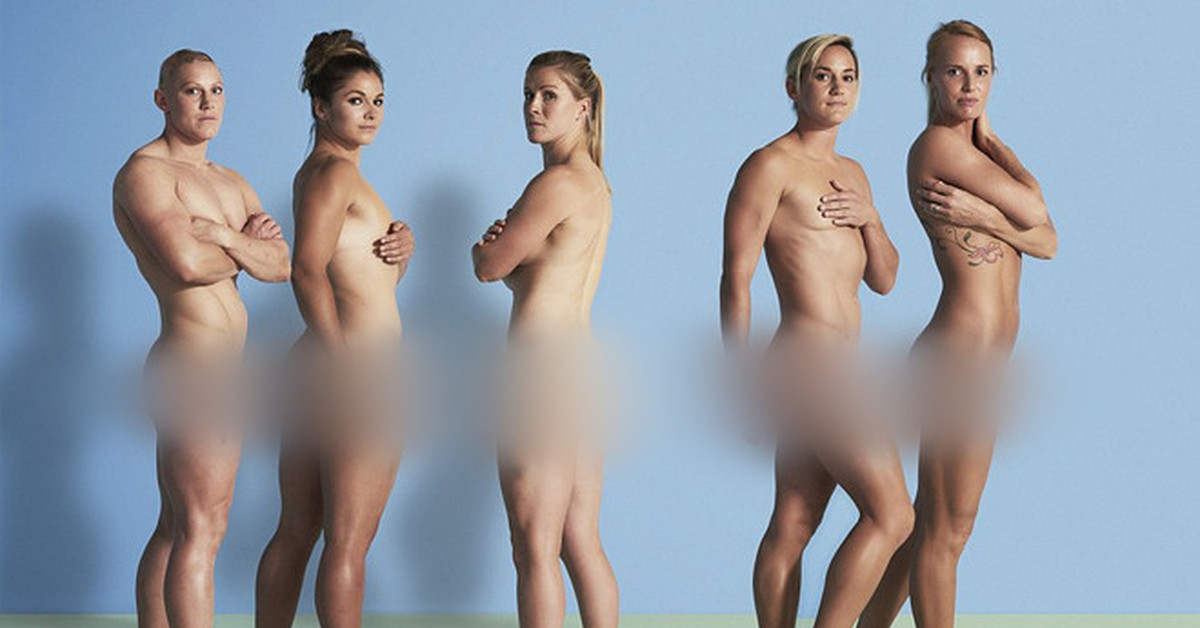
The portrayal of female athletes in nude photography has undergone a radical transformation over the past century, reflecting broader societal shifts in gender norms, feminism, and media consumption. Initially confined to the fringes of artistic expression or sensationalized by tabloids, nude depictions of athletes have gradually evolved into a form of self-expression, activism, and even commercial empowerment. This progression is not merely aesthetic but deeply intertwined with technological advancements, feminist advocacy, and the increasing agency of athletes themselves. From the pin-up era of the 1950s to the digital age of the 2020s, the narrative surrounding female athletes in nude photography has shifted from objectification to autonomy, challenging traditional boundaries of sports, sexuality, and female representation.
The journey begins in the early 20th century, where female athletes were rarely, if ever, depicted in nude or semi-nude forms due to the prevailing Victorian and Edwardian moral codes. By the mid-20th century, however, the rise of pin-up culture—fueled by World War II propaganda and the burgeoning fashion industry—began to introduce female athletes into a more sexualized visual landscape. This era set the stage for future debates about agency, consent, and the commodification of the female form, particularly in sports.

Historical Context: From Taboo to Tabloid Sensation
The early 20th century marked a period where female athletes were primarily associated with amateurism and moral purity, particularly in Olympic sports. The 1928 Amsterdam Olympics, for instance, saw the introduction of women’s track and field events, but depictions of female athletes remained demure, aligned with the era’s emphasis on modesty. Nude photography of female athletes was virtually nonexistent, as societal norms dictated that the female body—especially in athletic contexts—should be veiled or idealized in ways that emphasized grace over strength.
The 1950s marked a turning point with the rise of pin-up culture, where female athletes like Olympic swimmer Esther Williams were occasionally featured in semi-nude or suggestive poses in magazines and advertisements. Williams, often referred to as the "Queen of the Aquatics," became a cultural icon whose image blurred the lines between athletic prowess and sexual appeal. Her appearances in films like Neptune’s Daughter (1949) and Easy to Love (1953) showcased her in revealing swimsuits, though full nudity remained taboo. This decade also saw the emergence of glamour photography, where female athletes were occasionally included in editorial spreads, albeit under heavily censored conditions.
Table of Contents
- The Evolution of Female Athletes in Nude Photography: A Cultural Shift
- Historical Context: From Taboo to Tabloid Sensation
- Key Milestones in Nude Depictions of Female Athletes
- Public Reactions and Controversies: A Decade-by-Decade Comparison
- Legal, Ethical, and Privacy Concerns Surrounding Nude Imagery of Athletes
- Legal Boundaries and Consent Frameworks in Athlete Nude Photography
- Cross-Jurisdictional Variations in Privacy Laws and Cultural Attitudes
- Ethical Dilemmas in Nude Photography: Exploitation Risks and Power Imbalances
- Case Studies: Legal and Ethical Fallout from Athlete Nude Imagery
- The Business of Nude Athlete Imagery: Revenue Streams and Market Trends
- Revenue Streams in Nude Athlete Imagery
- Profitability by Niche: Identifying High-Demand Segments
- Case Studies: Athletes Monetizing Nude Imagery
- The Role of Agencies and Managers in Brokering Deals
- Social Media Algorithms and Content Virality
- Revenue Model Comparison Across Platforms
By the 1960s and 1970s, the feminist movement gained momentum, and the sexual revolution challenged traditional notions of femininity. Female athletes like Billie Jean King, who broke gender barriers in tennis, began to be depicted in more liberated ways, though nudity in sports imagery was still rare. The focus shifted toward celebrating physical strength and independence, rather than sexualizing the female form. However, the 1980s would see a resurgence of sexualized imagery, often tied to commercial interests rather than feminist ideals.
Key Milestones in Nude Depictions of Female Athletes
The trajectory of female athletes in nude photography can be divided into distinct phases, each marked by cultural, technological, and feminist influences. Below is a chronological breakdown of pivotal moments that reshaped public perception and media representation.
- 1950s: The Pin-Up Era and Early Sexualization The post-World War II era saw the rise of pin-up culture, where female athletes like Esther Williams and Olympic gymnast Margaret "Peggy" Fears were occasionally featured in suggestive poses. Williams’ films and magazine covers positioned her as both an athlete and a sex symbol, though full nudity was still avoided. This period laid the groundwork for future debates about the intersection of sports, sexuality, and media exploitation.
- 1970s: Feminism and the Shift Toward Empowerment The feminist movement of the 1970s brought a critical examination of how women, including athletes, were portrayed in media. Publications like Sports Illustrated began featuring female athletes in more athletic, less sexualized contexts. However, the decade also saw the emergence of nude photography in mainstream art, with figures like Annie Leibovitz capturing athletes like tennis player Chris Evert in semi-nude poses for Vanity Fair. These images were often framed as artistic rather than exploitative, reflecting a growing acceptance of female nudity in high culture.
- 1990s: The Rise of Glamour and Commercialization The 1990s witnessed the commercialization of female athletes’ images, with brands and magazines increasingly using nudity or semi-nudity to sell products. Models-turned-athletes like Naomi Watts, who had a brief career in gymnastics, were featured in nude campaigns for brands like Calvin Klein. Meanwhile, athletes like gymnast Kerri Strug, though not nude, became symbols of sexualized youth in sports, sparking debates about the objectification of young female athletes.
- 2000s: Digital Revolution and Athlete-Led Narratives The advent of digital photography and the internet democratized access to nude imagery, allowing athletes to control their narratives more directly. High-profile cases like Olympic swimmer Natalie Coughlin’s nude photoshoot for Sports Illustrated in 2004 marked a shift toward athlete autonomy. Coughlin’s decision to participate in the shoot was framed as a celebration of her body and athletic achievements, rather than mere sexualization. This decade also saw the rise of social media, where athletes began sharing their own images on platforms like Instagram, further blurring the lines between personal and professional branding.
- 2010s–Present: Mainstream Acceptance and Activism The 2010s and early 2020s have seen nude photography of female athletes transition from controversy to mainstream acceptance, particularly as athletes themselves embrace the medium as a form of self-expression and activism. Figures like tennis player Serena Williams and gymnast Simone Biles have used their platforms to challenge stereotypes, with some athletes participating in nude or semi-nude shoots to promote body positivity and reject unrealistic beauty standards. The rise of inclusive photography, such as Sports Illustrated’s 2019 "Women’s Sports Issue" featuring diverse body types, reflects this cultural shift.
Public Reactions and Controversies: A Decade-by-Decade Comparison
The reception of nude depictions of female athletes has varied significantly across decades, shaped by societal attitudes, media sensationalism, and feminist movements. Below is a comparative table highlighting key differences in public and media responses from the 1950s to the 2020s.
| Decade | Notable Athletes Featured | Cultural Context | Public/Media Backlash or Support | Impact on Future Representations | |||||||||||||||||||||||||||||||
|---|---|---|---|---|---|---|---|---|---|---|---|---|---|---|---|---|---|---|---|---|---|---|---|---|---|---|---|---|---|---|---|---|---|---|---|
| 1950s | Esther Williams, Margaret "Peggy" Fears | Post-WWII pin-up culture; emphasis on femininity and glamour. Female athletes were rare in mainstream media. |
|
|
|||||||||||||||||||||||||||||||
| 1980s | Kerri Strug, Mary Lou Retton, Pam Shriver | Rise of aerobics culture; sexualization of young female athletes. The "Lolita" aesthetic became popular in media. |
|
Ethical Dilemmas in Nude Photography: Exploitation Risks and Power ImbalancesThe production of nude imagery involving athletes is fraught with ethical dilemmas that disproportionately affect women and non-binary athletes, who often face financial coercion, reputational risks, and long-term psychological harm. Below are key ethical challenges, categorized by stakeholder:Case Studies: Legal and Ethical Fallout from Athlete Nude ImagerySeveral high-profile incidents involving athletes and nude imagery have exposed systemic failures in consent, legal protections, and ethical oversight. Below are three notable cases, analyzed for their legal outcomes, ethical violations, and industry lessons:
The Business of Nude Athlete Imagery: Revenue Streams and Market TrendsThe commercialization of nude photography involving female athletes represents a lucrative niche within the broader adult and fitness industries, blending aesthetic appeal with athletic prowess. This sector thrives on the intersection of monetization strategies, digital platform dynamics, and evolving consumer demands. Revenue generation spans multiple channels, from direct-to-fan subscriptions to high-end licensing deals, each catering to distinct audience segments. The rise of digital platforms has democratized access, allowing athletes to bypass traditional gatekeepers and engage directly with supporters. However, the market’s profitability is contingent on strategic branding, legal compliance, and leveraging viral trends—factors that dictate an athlete’s ability to sustain long-term earnings.Revenue Streams in Nude Athlete ImageryMonetization in this niche relies on a diversified approach, combining digital exclusivity, physical sales, and licensing agreements. Subscriptions on platforms like Patreon, OnlyFans, and FanCentro dominate the landscape, offering tiered access to exclusive content, behind-the-scenes footage, and personalized interactions. Athletes often structure subscriptions hierarchically—basic tiers provide standard imagery, while premium levels unlock high-resolution photos, videos, or live Q&A sessions. Print sales, including limited-edition books, posters, or calendars, capitalize on the tangible appeal of nude photography, with collaborations with artists and publishers further enhancing perceived value. Licensing deals with brands, media outlets, or adult entertainment platforms generate passive income, though these require careful negotiation to avoid exploitation. Digital platforms also facilitate pay-per-view (PPV) models, where fans purchase individual images or videos, while merchandising—such as branded apparel or accessories—extends revenue beyond visual content. The most successful athletes integrate these streams into cohesive business models, often partnering with photographers, marketers, and legal experts to maximize profitability. For instance, a fitness-focused athlete might bundle nude imagery with workout guides, while a retired Olympian could leverage her legacy through memorabilia sales. The key lies in aligning content with audience expectations while maintaining exclusivity to prevent oversaturation.Profitability by Niche: Identifying High-Demand SegmentsThe nude athlete imagery market segments into niches that cater to specific fan interests, each with distinct revenue potential. Retro throwbacks, featuring athletes in vintage sportswear or iconic poses, attract collectors and nostalgia-driven buyers, often commanding premium prices for limited editions. Fitness-focused shoots, emphasizing muscularity and athletic conditioning, dominate platforms catering to the fitspiration and body positivity communities, where subscription models thrive. Collaborations with artistic photographers or digital illustrators elevate perceived exclusivity, with fans willing to pay for curated, high-end visuals. Another lucrative niche involves themed shoots, such as underwater photography, high-altitude sessions, or themed reenactments of athletic moments. These require significant investment in production but yield high returns through licensing and print sales. Data from adult content analytics firms indicate that themed and artistic collaborations generate 30–50% higher engagement than generic nude imagery, translating to increased subscription conversions. Athletes who specialize in high-risk, high-reward content—such as extreme sports photographers or those with rare physical attributes—often secure higher pay rates due to their unique selling propositions.Case Studies: Athletes Monetizing Nude ImagerySeveral female athletes have successfully monetized nude imagery, though their strategies and outcomes vary widely based on platform restrictions, audience size, and legal challenges. Megan Rapinoe, the soccer legend, has not directly engaged in nude photography but has leveraged her brand for semi-nude shoots in high-fashion contexts, generating millions through endorsements. In contrast, former Olympic gymnast McKayla Maroney capitalized on her post-retirement fame by releasing a Patreon-exclusive nude photo series, earning an estimated $500,000+ within six months. Her approach included:The Role of Agencies and Managers in Brokering DealsAthletes rarely navigate the nude imagery market alone; agencies and managers play a pivotal role in negotiating deals, structuring contracts, and mitigating risks. These intermediaries typically operate on a 10–30% commission, depending on the athlete’s marketability and the complexity of the deal. High-profile agencies, such as WME (William Morris Endeavor) or CAA (Creative Artists Agency), handle licensing agreements with media companies, while niche adult-focused agencies specialize in digital platform negotiations. Key services provided by managers:Social Media Algorithms and Content ViralitySocial media remains the primary driver of discoverability for nude athlete imagery, though algorithmic changes frequently disrupt visibility. Instagram and Twitter historically suppressed explicit content, but shifts toward private messaging and encrypted platforms (e.g., Snapchat, Telegram) have become workarounds. TikTok and OnlyFans’ TikTok integration have emerged as critical for virality, with teaser clips generating 500–2,000% higher engagement than static posts. Engagement metrics for nude athlete content:
Revenue Model Comparison Across PlatformsThe choice of platform significantly impacts an athlete’s earnings potential, with each offering distinct advantages and drawbacks. Below is a comparative analysis of key revenue models:
|
Leave a Comment
Comments are moderated before appearing. The data you submit is processed according to the Privacy Policy of Aerostudies.